In the ever-evolving landscape of the gaming industry, Phil Spencer, the head of Xbox, has shared insightful thoughts on the future direction and strategy of Xbox within the broader market. Speaking at Gamescom, Spencer engaged in discussions that signify a notable shift in how gaming companies, including Xbox, view their role and influence across different gaming systems.
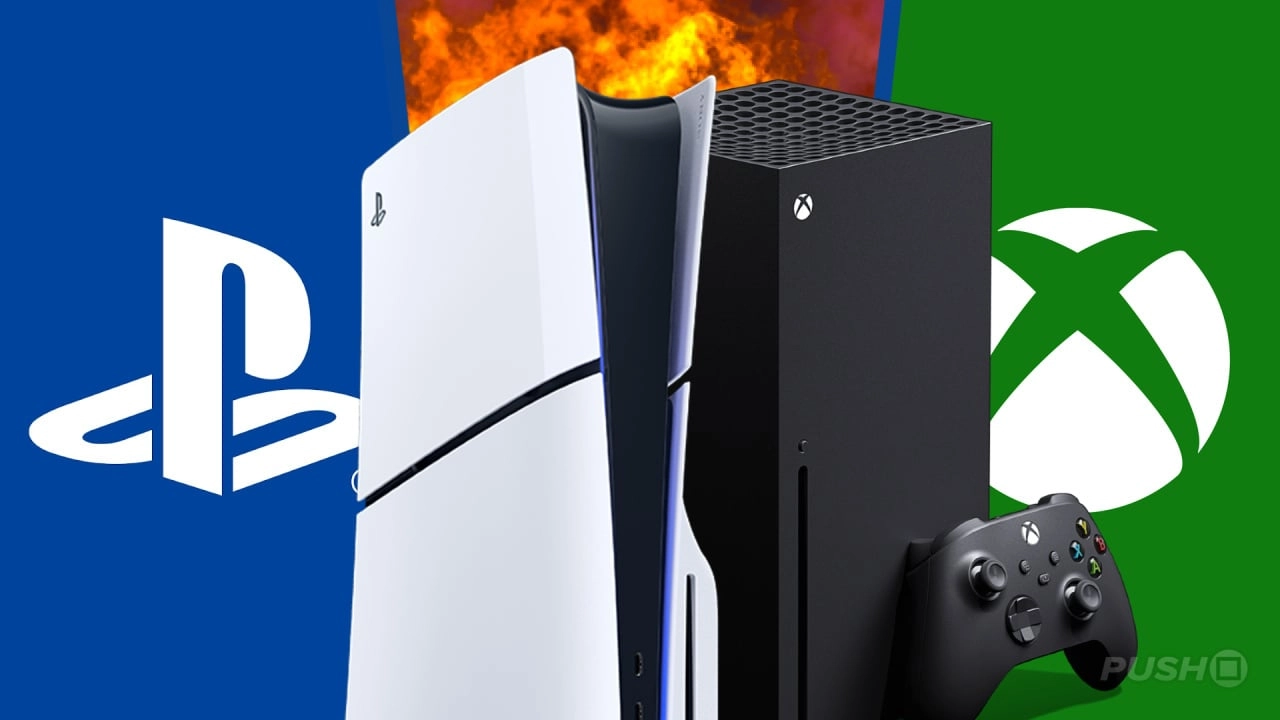
Historically, certain game titles and franchises have been exclusive to specific consoles, creating a distinct competitive edge and fostering loyalty among consumers. However, Spencer suggests that this tradition is undergoing a transformation, as evidenced by Xbox’s recent decision to release one of its upcoming titles, "Indiana Jones and the Great Circle," on PlayStation 5—a direct competitor’s console.
This move came after Bethesda, a subsidiary of Xbox and a leading game development studio, renegotiated its licensing terms with Disney. The revised agreement initially excluded Sony’s PS5 from accessing the game, which highlighted traditional competitive practices. However, this stance was later adjusted to include the PS5, hinting at a more inclusive approach moving forward.
Spencer pointed out several reasons driving this strategic pivot. He noted the immense pressure on the industry to explore new growth avenues as traditional models become less sustainable in the rapidly changing digital landscape. With player numbers on Xbox consoles reaching an all-time high and their franchises stronger than ever, Spencer emphasized the need for Xbox to deliver value back to Microsoft and to adapt to the new realities of the market.
Investments and financial decisions made by Xbox in recent years also illustrate these shifts. The company has spent approximately $100 billion acquiring multiple game publishers and developers, massively investing in the Xbox Game Pass. This subscription service, according to Spencer, is sustainable despite impacting traditional software sales figures. The overarching aim, as per Spencer, is not just financial return but enhancing game accessibility, which translates to better gaming experiences for a wider audience.
The willingness to port games initially intended as exclusives to other platforms also speaks to a broader industry trend where platform holders like Sony and Nintendo are exploring similar strategies. Sony, for example, has been progressively porting its games to PC, and it recently announced bringing LEGO Horizon Adventures to the Nintendo Switch.
Spencer’s comments underscore a significant philosophical shift at Xbox and potentially across the gaming industry. Facing increasing market pressures and evolving consumer expectations, companies are realizing the importance of diversifying their game availability. This strategy not only helps cushion against fluctuating console sales but also broadens the reach, allowing more players across different platforms to experience popular titles.
Moving forward, this trend is likely to accelerate, with more emphasis on cross-platform availability and possibly even cross-play capabilities. This strategic evolution reflects a more consumer-centric approach, prioritizing game accessibility and player experience over traditional competitive exclusivity.
Phil Spencer’s vision for Xbox and the broader gaming ecosystem reflects a responsive and adaptive strategy that aligns with broader trends in technology and consumer behavior. As the industry continues to navigate through pressures and opportunities, the focus will inevitably be on delivering value and quality experiences to gamers, irrespective of their chosen platform. This shift not only promises to enhance the gaming landscape but also ensures that it remains vibrant and inclusive for all players around the globe.

You must be logged in to post a comment!
