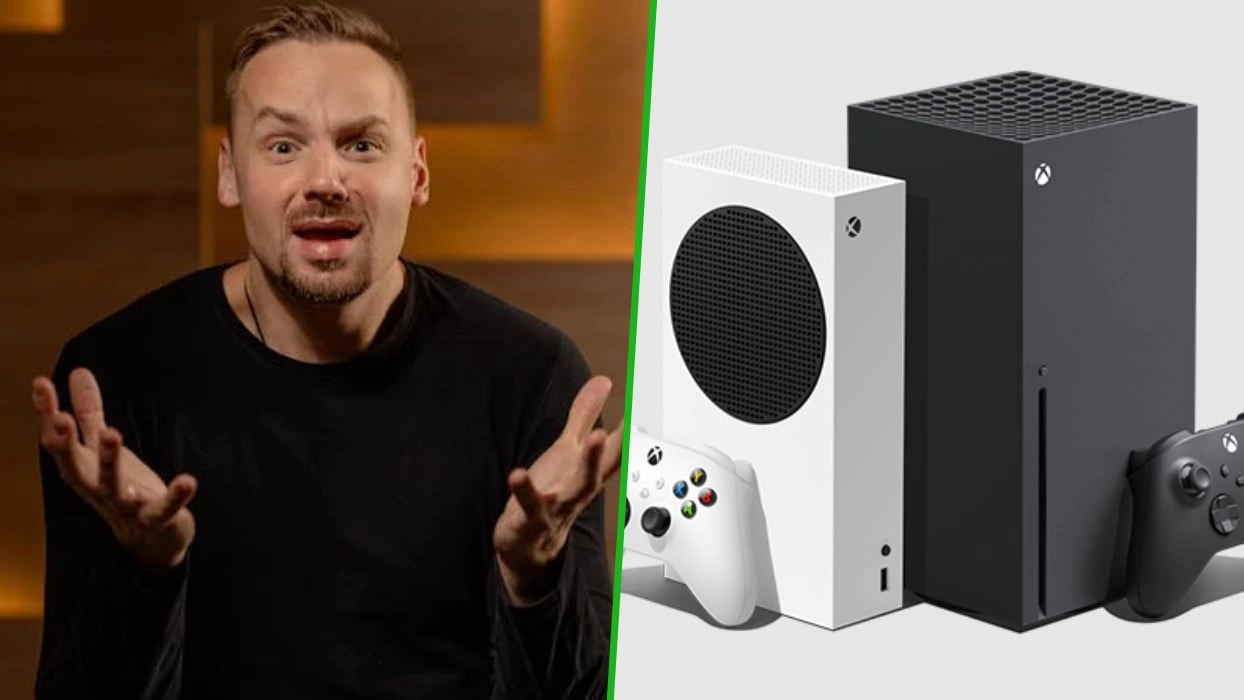
In late 2019, Phil Spencer, head of Xbox, revealed the name of the forthcoming gaming console as the "Xbox Series X", joining the existing Xbox One S and Xbox One X. This announcement was meant to mark a new era for Xbox but instead reignited debates over the system's naming conventions. By 2020, the lineup included both Xbox Series X and Xbox Series S, adding layers to the already complex naming structure.
As we move through 2024, it’s evident that these naming issues haven't been resolved. Consumers continue to face confusion, evidenced by a series of reviews and complaints across various platforms. For instance, on Amazon, purchasers of EA Sports College Football 25 shared their frustrations when they mistakenly bought games incompatible with their consoles. One review outlined the bitter experience of realizing that the Xbox One S does not support titles meant for the Series S or X, despite the similar naming. Another customer lamented over the wasted cost of a game that couldn’t be played on their Xbox One X, further criticizing the return policies that don’t accommodate such confusions.
Feedback on the Xbox Store mirrors these sentiments, where numerous users express disappointment after purchasing games that don’t run on their versions of the console. These ongoing issues highlight not just user error but a fundamental issue with the console's branding strategy which mixes single-letter distinctions (S and X) across different generations. This similar-sounding nomenclature makes it hard for less informed consumers to discern which games are compatible with their systems.
The choice of names like "Series X" and "Series S" closely following the "Xbox One X" and "Xbox One S" has led to a considerable overlap, confusing buyers and even impacting their purchasing decisions. This confusion is exacerbated when games are released with multiple edition types and unclear compatibility guidelines, making it difficult for users to ascertain the right version for their console.
This problem is not just about consumer oversight. The naming strategy, involving minimal differentiation, poses unnecessary challenges and detracts from user experience. It forces customers to conduct extensive research or face the possibility of purchasing non-compatible games, turning what should be a straightforward process into a tedious task. Additionally, this confusion could deter potential buyers who, wary of the complexity, might opt for more straightforwardly named competitors to avoid similar issues.
The backlash from the community has been notable, with calls for Microsoft to revisit its naming conventions for future consoles to prevent this confusion from persisting. Consumers have expressed a range of opinions in polls and comments, with many describing the names as "awful" and "too confusing," indicating a significant dissatisfaction that could influence future purchasing decisions.
These naming woes serve as a crucial lesson in product branding, emphasizing clarity and ease of understanding as essential components of successful consumer products, especially in technology where compatibility is key. As Xbox continues to develop and release new products, there's an evident need for reevaluating how they name their consoles to enhance customer satisfaction and ensure a smooth user experience. This shift would not only aid in consumer decision-making but also fortify brand loyalty, which is vital for maintaining a competitive edge in the fast-paced gaming industry.

You must be logged in to post a comment!
