
In the latest installment of Disney+’s X-Men ’97, viewers are treated to more than just the continuation of a beloved animated series; they are given a heartwarming homage to the X-Men’s retro gaming heritage. The X-Men have been a cultural touchstone since their creation, and their adventures have not been restricted to comic pages or television screens. Their pixelated counterparts have also battled for justice across the glow of arcade screens and the buttons of home consoles.
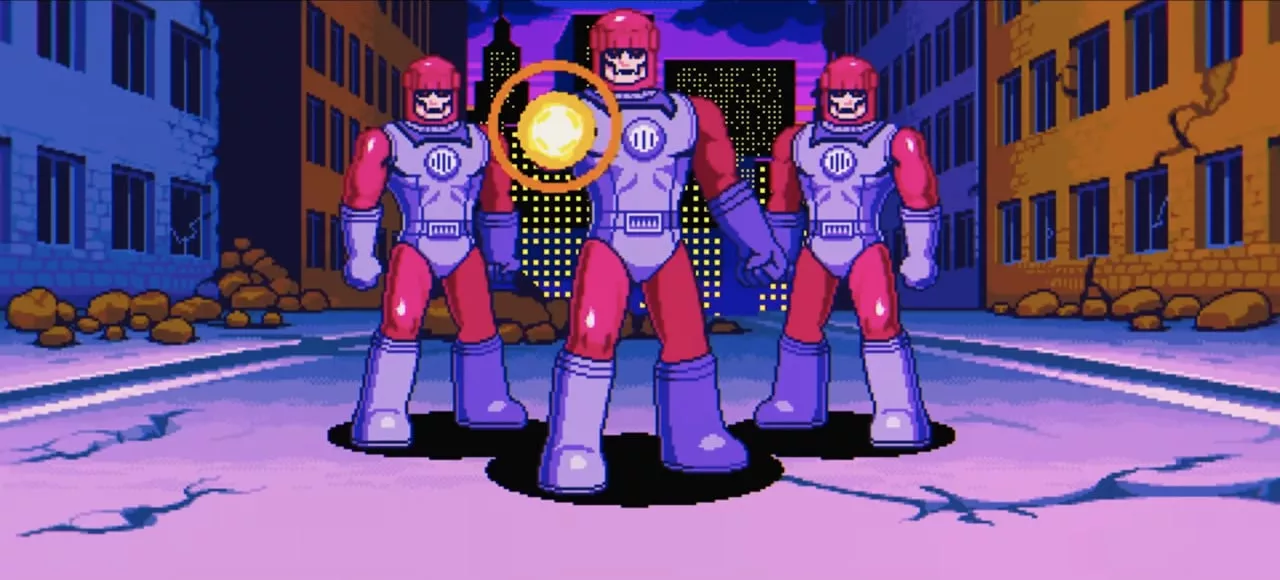
The episode in question, the fourth of the revived series, is a love letter to fans who pocketed their allowances, huddled in dim-lit arcades, and mashed buttons on home consoles. Titled "Motendo / Lifedeath," the episode dazzles fans with a direct reference to a nostalgic era of X-Men video games, specifically harkening back to the classic gaming experience of Konami’s 1992 side-scrolling beat 'em up arcade title.
Without divulging too much for those yet to watch the episode, the story revolves around Jubilee, herself a representation of the '90s era, celebrating her 18th birthday. The twist comes when Jubilee and the newly introduced character, Roberto, are unwittingly pulled into a mysterious video game console by the dastardly villain Mojo. The action that unfolds is reminiscent of an era when pixels reigned supreme, as viewers watch beloved characters transform into their chibi-style pixel art versions, navigating a side-scrolling environment reminiscent of the cabinet classics.
For those with a sharp eye for detail, the iconic arcade elements are abundant, and the console that serves as the gateway to this 2D world amalgamates characteristics from legendary 16-bit machines such as the Super Nintendo and the Sega Genesis. This episode not only revives a sense of the X-Men’s past but also cleverly incorporates the mechanics and feel of the games many fans grew up loving.
The significance of the episode extends beyond its pixelated visuals and chiptune sounds. It taps into the deeper connection between video games and their role in shaping the cultural understanding and appreciation of the X-Men mythos. Video games have often served as a gateway for new audiences to encounter and engage with their favorite mutants beyond comics or television shows, and by paying homage to these roots, X-Men '97 enriches its link to the broader X-Men legacy.
Despite the retrospective nature of the homage, the production of the show is thoroughly contemporary, benefitting from advancements in animation and storytelling that add depth and complexity to the characters and their world. Bringing these two mediums together bridges the gap between older fans who possess firsthand nostalgia and younger audiences who can appreciate the historical context through a modern lens.
Moreover, this episode's release comes parallel to other related X-Men gaming updates such as Arcade1UP re-announcing their X-Men 97 'Marvel VS. Capcom 2' Cabinet, and the porting of Konami's X-Men coin-op to the Sega Saturn, showing a continued effort to blend traditional X-Men narratives with gaming culture.
For fans, the excitement around this episode is more than nostalgia; it's the recognition of their fandom's longevity and the acknowledgment that their youthful pastimes are significant enough to influence modern interpretations of the X-Men saga. The blending of gaming and animated storytelling demonstrates that the legacy of the X-Men transcends any one medium and continues to adapt and honor its past in new, innovative ways.
The entire episode of X-Men '97, including the tribute to the video game past of the mutants, is available for streaming on Disney+. The mix of old and new serves as a testament to the endearing legacy of the X-Men franchise and is a reminder of the cultural impact that these heroes have had, not just in battles against Magneto on the page or the screen, but also in pixelated form, against the backdrop of 16-bit soundtracks and the light of arcade marquee signs.





You must be logged in to post a comment!
