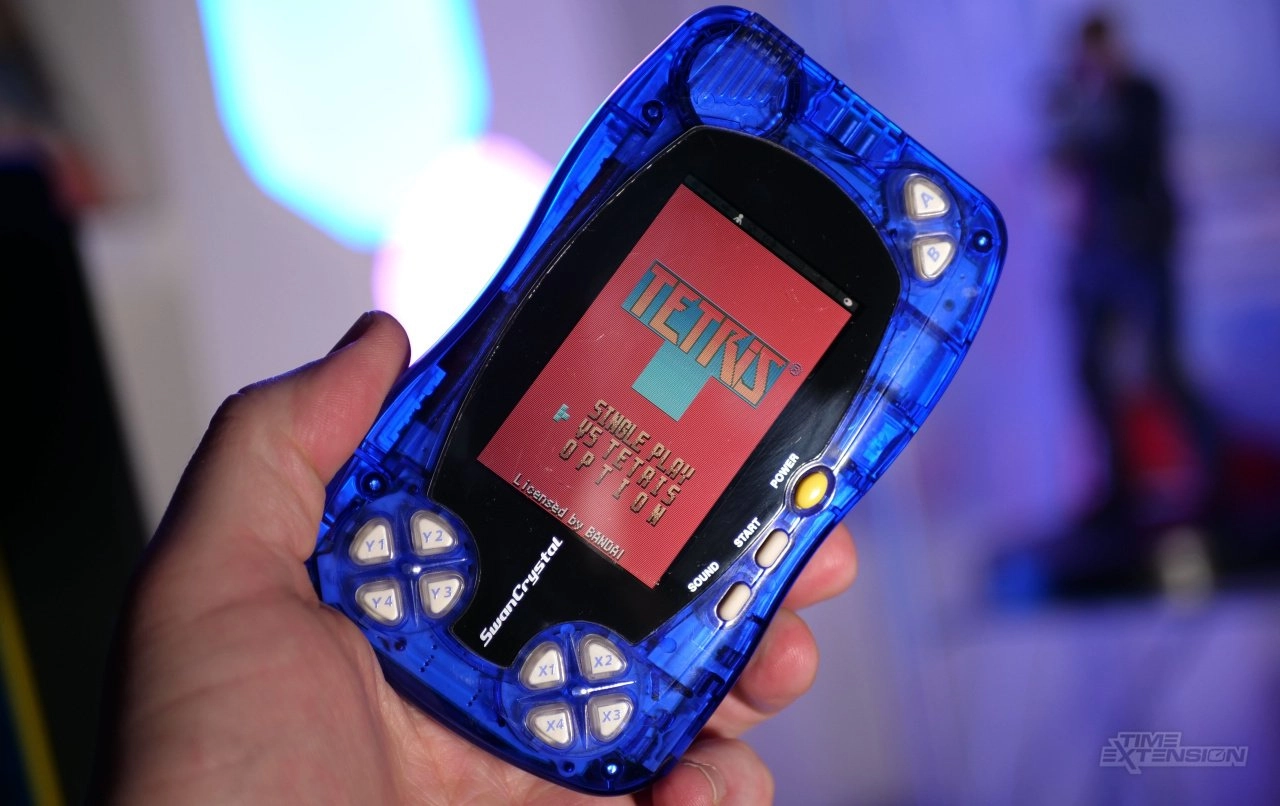
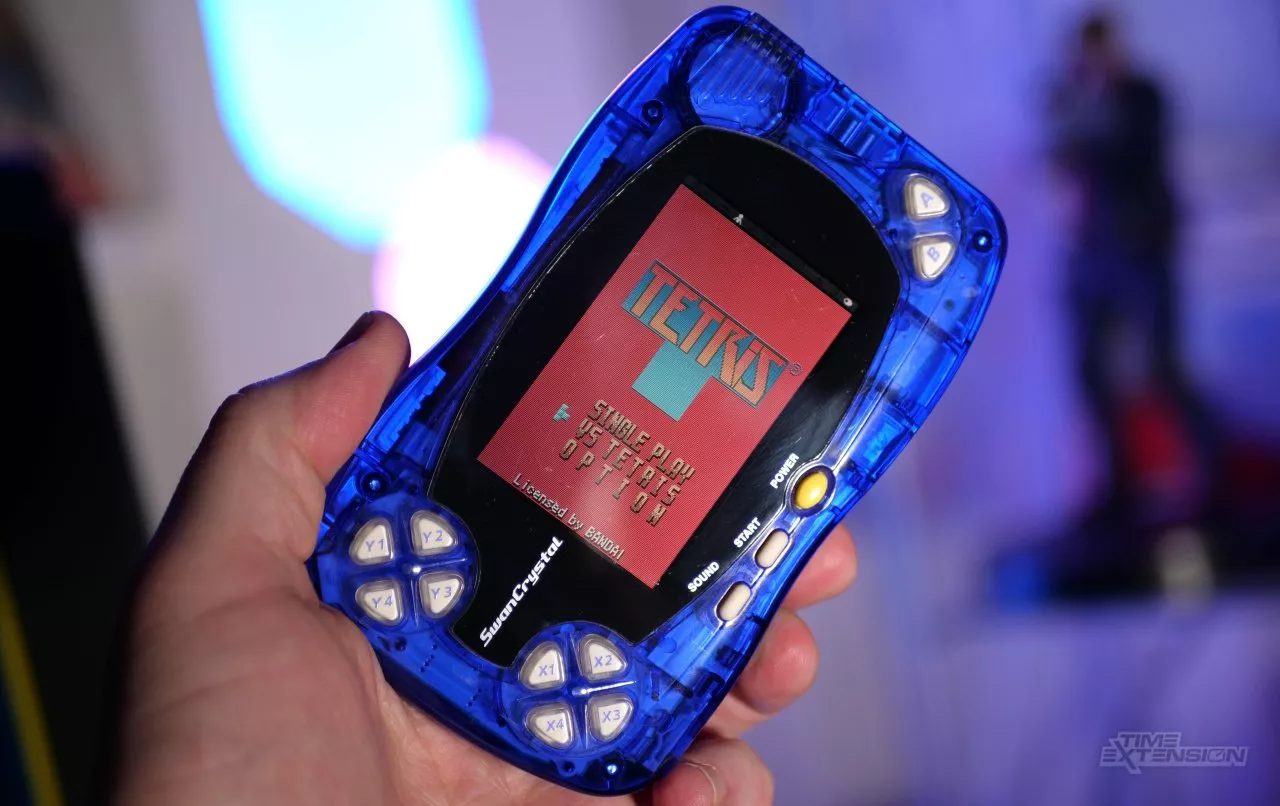
Twenty-five years ago, the gaming world witnessed the release of a handheld console that promised great potential but remained clandestine outside its home country. This console was the WonderSwan, and it hit the Japanese market on March 4, 1999, boasting a competitive price tag and a design primed for portability. Its genesis was rooted in the vision of a legendary figure in the gaming industry: Gunpei Yokoi.
Gunpei Yokoi, an engineer who had previously led Nintendo to overwhelming success with various innovative products, was the mastermind behind WonderSwan’s creation. One of his most recognizable contributions was the Ultra Hand, a toy that generated significant revenue for Nintendo. However, it was his venture into electronic games that left an indelible mark on the industry. Yokoi observed a businessman fidgeting with a calculator and envisioned the Game & Watch handheld series, which went on to sell millions worldwide. The series introduced groundbreaking features like the cross-shaped directional pad and later models had dual screens.
The pinnacle of Yokoi's contributions with Nintendo was the legendary Game Boy, a monochrome handheld device that outdid its technologically advanced competitors through strategic and thoughtful design. This was exemplified by Yokoi’s philosophy, “Lateral Thinking with Withered Technology,” which emphasized using mature, reliable technologies in innovative ways over cutting-edge but costly advancements.
Despite the enormous success of the Game Boy, Yokoi faced a stumbling block with the release of the Virtual Boy, a console that proved to be both a critical and financial failure. This setback played a role in his departure from Nintendo in 1996, ending his fruitful 31-year tenure with the company. Yokoi then established a company called Koto, and one of its collaborations with Bandai led to the creation of the WonderSwan—his attempt to create a new champion in the handheld console market.
Regrettably, Yokoi didn’t see the release of the WonderSwan; his life was tragically cut short in a road accident in 1997. The WonderSwan, although never making it outside Japan, achieved moderate success within its domestic territory, securing about a 10% share of its handheld market. Supported by reputable companies like Capcom, Namco, and Square, it reached sales of around 3.5 million units. The WonderSwan Color and SwanCrystal were iterations that followed, but by the time of the latter's release, the Game Boy Advance’s superior technology had already taken the market by storm.
In retrospect, the WonderSwan is often overshadowed by the Neo Geo Pocket, which had a broader international release and a more accessible selection of games. Despite this, Bandai’s console was commercially more successful, and it remains a hidden gem in the history of gaming.
Today, retrospectively examining the WonderSwan offers a glimpse into an ambitious era of handheld gaming that could have shifted the course of the industry. The fanfare surrounding its silver jubilee serves as a homage to Gunpei Yokoi's impactful yet nuanced legacy. As gaming continues to evolve and console giants come and go, the WonderSwan is a testament to creativity, innovation, and the unpredictable tides of the gaming market.

You must be logged in to post a comment!
