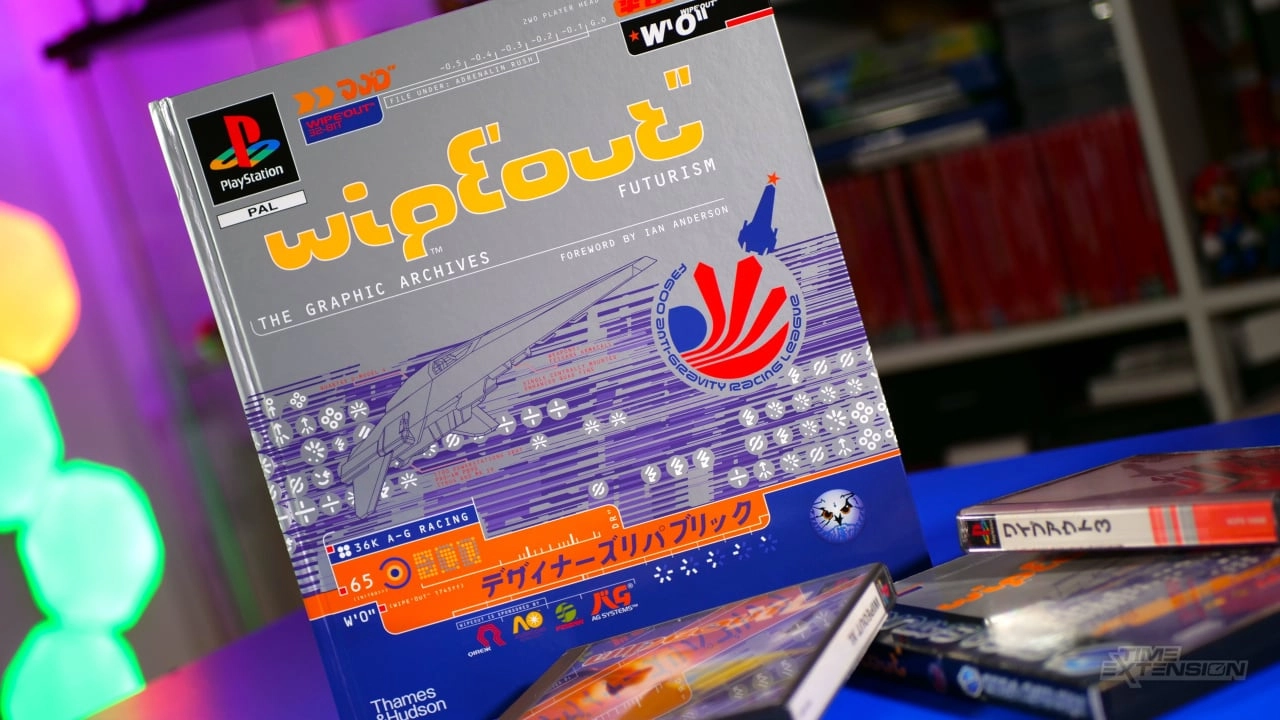
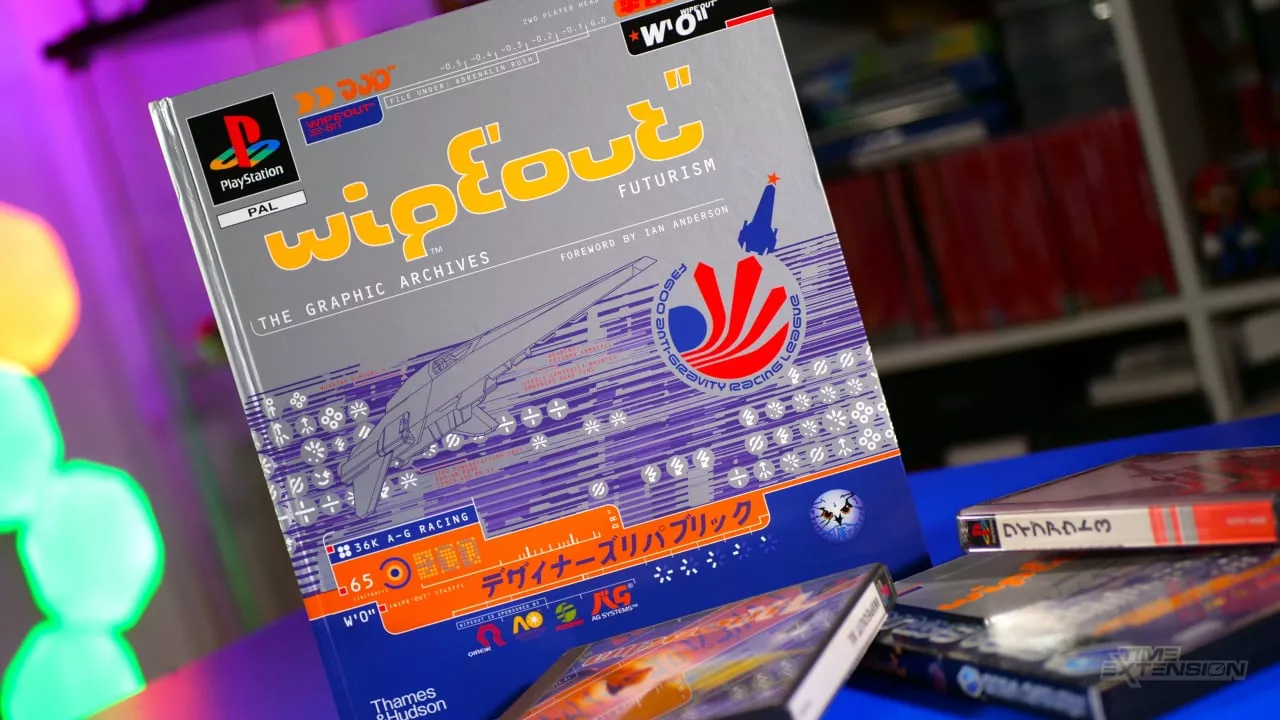
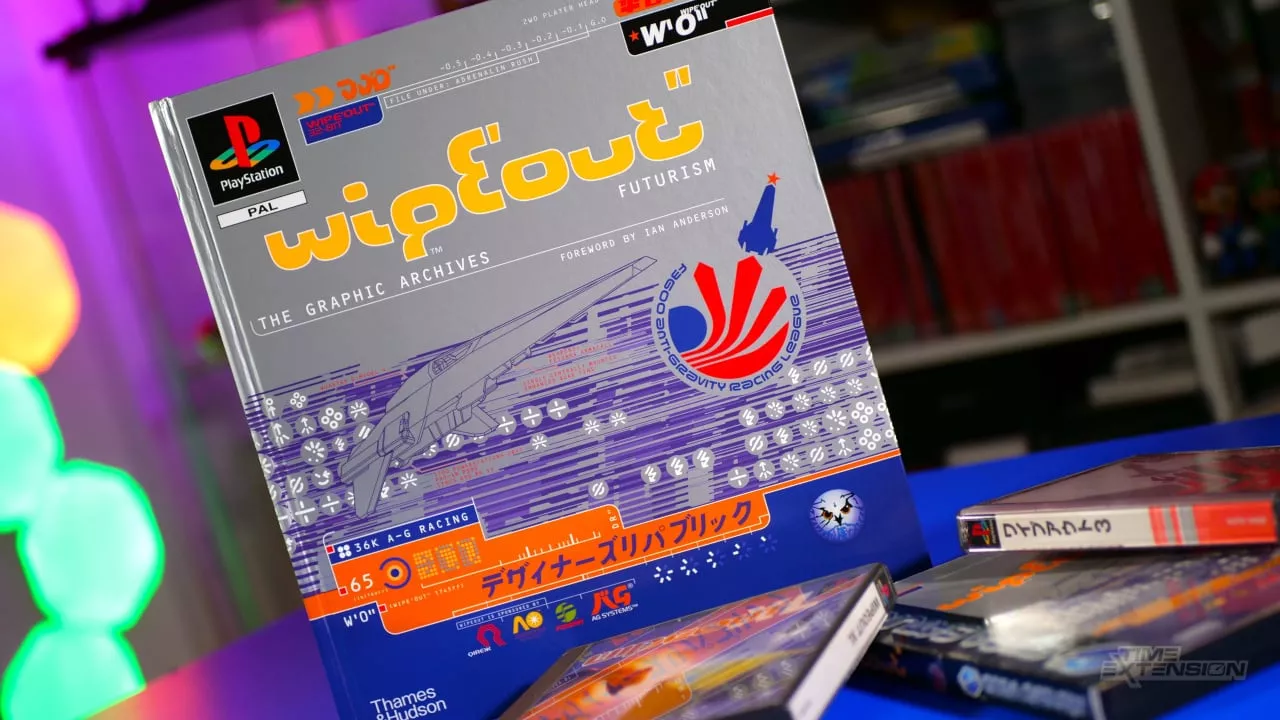
The PlayStation’s debut in the West in 1995 was marked by several pivotal games, but perhaps none more so than WipEout, which, along with Ridge Racer, demonstrated the considerable leaps video games were making in technology and design at the time. WipEout wasn’t just a game; it was a cultural phenomenon that brought with it groundbreaking music and visuals. For those who hold a deep affection for the WipEout series, Duncan Harris’s book, WipEout Futurism: The Graphic Archives, serves as a comprehensive homage to this beloved series.
Published by Thames & Hudson, WipEout Futurism makes its impression with not just the vibrancy and innovation of its content, but the breadth of its exploration into the series’ history. Harris, a respected games journalist, dives deep into the development stories and the creative minds behind the WipEout series. He chats with a major portion of the pivotal figures in the development team, including artists, designers, and musicians who shaped the series' distinctive atmosphere. Contributors such as Ian Anderson of The Designers Republic, who also wrote the book's foreword, Michael Place, and Nick Bax, share their insights and experiences, making the narrative as rich and vivid as the game’s visuals.
The book also dedicates a significant portion of its attention to the history of Psygnosis, the Liverpool-based studio that developed WipEout. Formed in 1991, Psygnosis' Advanced Technology Group was essential in leveraging the potential of CD-ROM technology for gaming, a move that ultimately made WipEout possible. The book offers a front-row seat to the creative and technological battles that shaped the game, including the tough decision-making processes, like the drastic cut in development time to ensure the game was ready for the PlayStation launch.
One of the most engaging parts of WipEout Futurism is its detailed recounting of the internal dynamics during the game's creation. Harris’s narrative crafts an intimate portrayal of the original design team’s debates with The Designers Republic over the game’s visual identity, the pressure-induced crunch times, and the candid interviews with the team members.
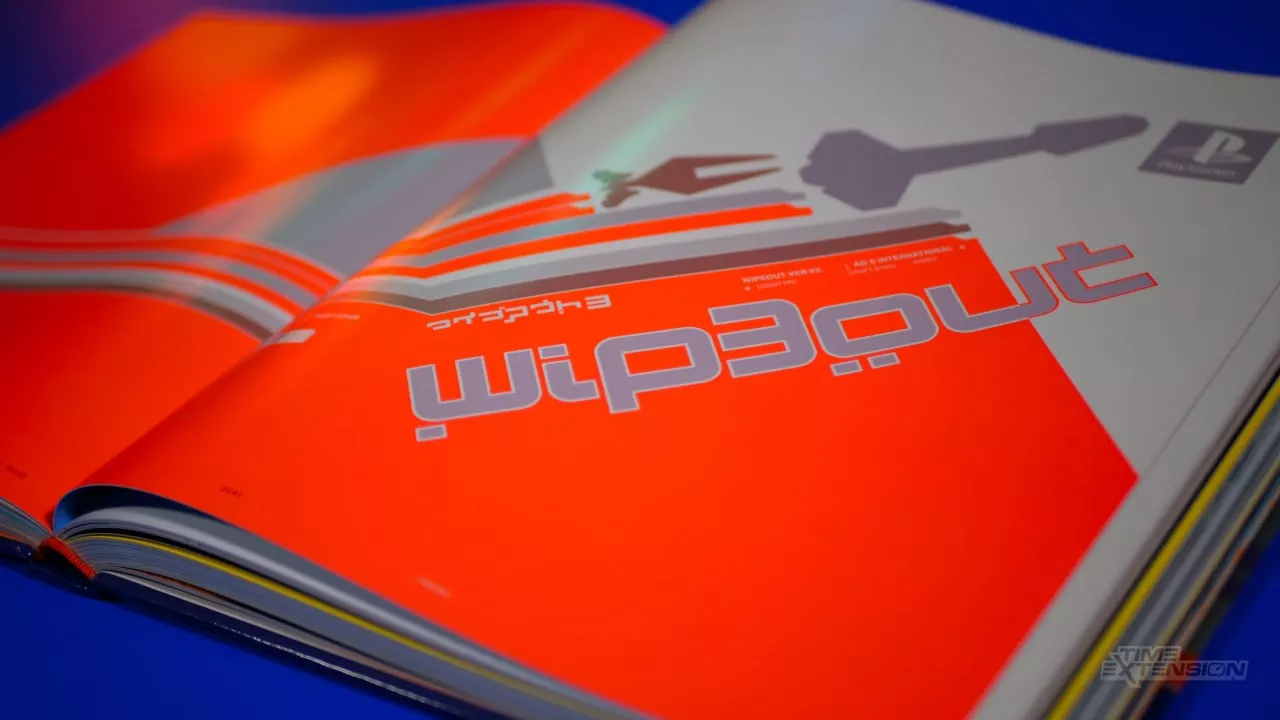
Visual elements in the book include prototype logos, track layouts, and lush renders used for CGI sequences that provide a behind-the-scenes look at the game’s development. The art and designs showcased in the book reinforce the visual impact that WipEout had on its audience and the gaming industry as a whole.
The narrative also covers the highs and lows of the series, from the less favorable reception of WipEout Fusion to the triumphant return of WipEout Pure, and the most recent installment, WipEout Omega Collection. This later game served as a tribute following the unfortunate closure of Sony Studio Liverpool, the studio born from Psygnosis.
Moreover, the book touches on the closure of The Designers Republic's involvement with the game post-Wipeout 3, an event that Michael Place describes with a sense of genuine disappointment. This angle shows the emotional connections and the personal stakes that the creative team had in the series.
As WipEout Futurism wraps up, readers not only gain a comprehensive view of the WipEout series' development but also a sense of the legacy that it leaves behind. The extensive detailing, the behind-the-scenes insights, and the dazzling array of art make this book a must-have for fans and a compelling read for anyone interested in video game history.
Although the limited editions of the book are sold out, the retail version provides an accessible way for new readers to delve into this richly illustrated and meticulously detailed archive. WipEout Futurism encapsulates not just the adrenaline of the games it discusses but also the passion and the innovation that have made WipEout a defining series in video gaming history. As we look back through the pages of this exceptional archive, the vibrant legacy of WipEout is once again ignited in the hearts of fans, awaiting perhaps, a future revival by Sony.


You must be logged in to post a comment!
