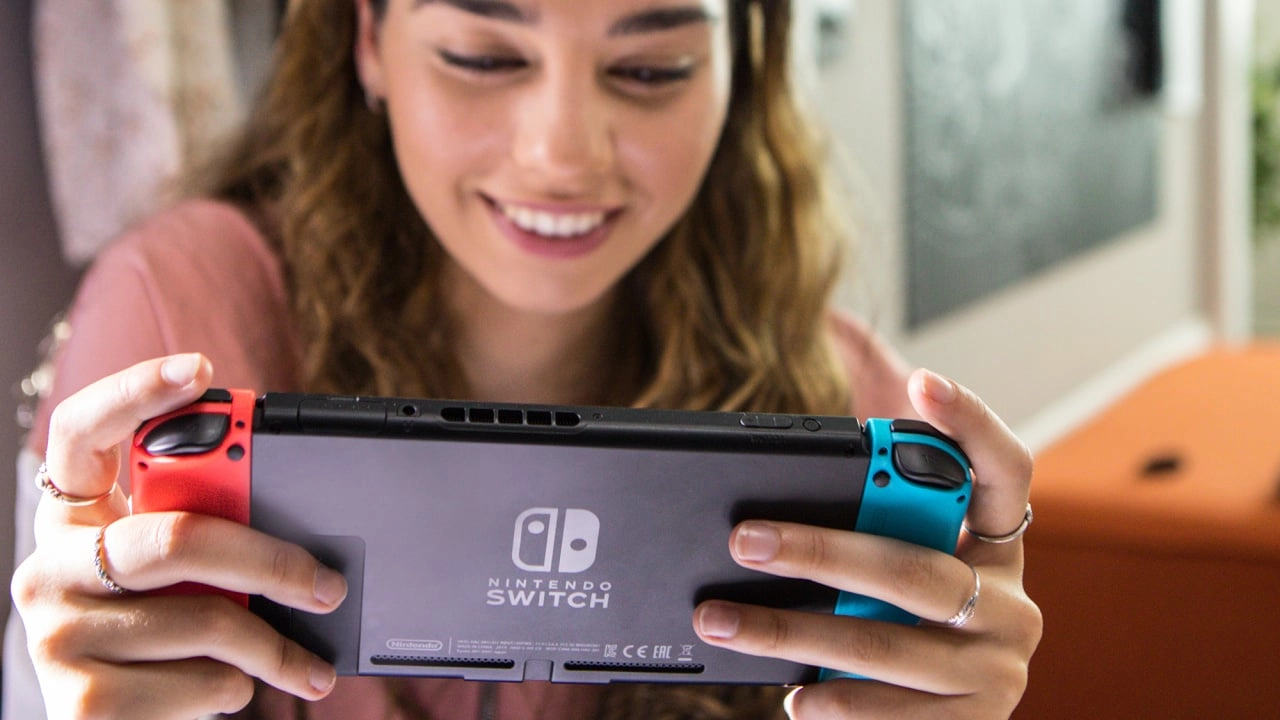
With the public reveal of the Nintendo Switch successor, aptly named the 'Switch 2', scheduled before March 31, 2025, discussions are intensifying about the potential for a price cut on the current Nintendo Switch consoles. As Nintendo prepares for another holiday season, the current models of the Switch enjoy a spotlight moment, possibly for the last major holiday stretch before the new console arrives. During Nintendo's semi-annual financial briefing, Shuntaro Furukawa, the company's president, highlighted that the upcoming 'Switch 2' will be backward compatible with the current Switch games, ensuring continuity for existing Switch users.
Despite this assurance, sales for the Nintendo Switch have begun to slow as the console moves into its eighth year, sparking discussions about a possible price reduction. Since its release in 2017, the price of the standard Nintendo Switch model has seen minimal adjustments. Initially launched at $299.99 in the USA and £279.99 in the UK, it now sells for $299.99 and £259.99, respectively, often bundled with a game which adds value rather than reducing the cost directly. Variations like the Switch Lite and the Switch OLED offer different price points which could potentially see discounts if Nintendo decides to incentivize sales.
The potential for a price cut appears mixed among Nintendo enthusiasts and retail experts. Some believe a price adjustment might be unlikely until the release of the 'Switch 2'. Nintendo's strategy could include maintaining the current price to maximize profits from the remaining stock of the original Switch units before the newer model introduces a new pricing structure. Financially, Nintendo has set a sales target of 12.5 million Switch units for this fiscal year, a goal that ambitious yet achievable without altering the current pricing strategy.
Critical to Nintendo’s approach is the ongoing attractiveness of the Switch bundles, which include popular game titles and sometimes an additional subscription to Nintendo's online service, adding extra value without decreasing the console's price point. These bundles perform well during holiday sales, suggesting Nintendo might continue this trend rather than opt for outright price cuts. The sentiment among some Nintendo Life staff echoes this perspective; the proximity to the holiday season and the historical sales patterns suggest that any significant price drop might be unlikely at this stage.
Moreover, the conversation around Nintendo's pricing strategy isn't just about maintaining sales momentum. It's also about brand perception. Competitive pricing, especially in comparison to rivals like Sony, is crucial. Sony's recent PS5 Pro model, priced significantly higher than traditional consoles, highlights the delicate balancing act console manufacturers must maintain in pricing. Nintendo, recognizing this, may choose to preserve the Switch's pricing to uphold its market positioning as a value-for-money option that doesn't compromise on quality or gaming experience.
Long-term, the arrival of the 'Switch 2' might indeed prompt a reassessment of the original Switch's pricing strategy. However, if the 'Switch 2' launches closer to the end of 2025, the original Switch could continue to be a formidable presence in the market, possibly without a price cut until the new console has firmly established its footing. This strategy ensures that Nintendo remains competitive, catering to both budget-conscious consumers and those eager to adopt the latest technology.
In summary, while the potential for a Nintendo Switch price cut is a hot topic among gaming enthusiasts and industry analysts, current indicators and strategic patterns suggest that any reductions are unlikely in the immediate future. Nintendo appears set to leverage the full market potential of the Switch in its current form, possibly until the 'Switch 2' officially makes its debut and redefines the market dynamics.

You must be logged in to post a comment!
