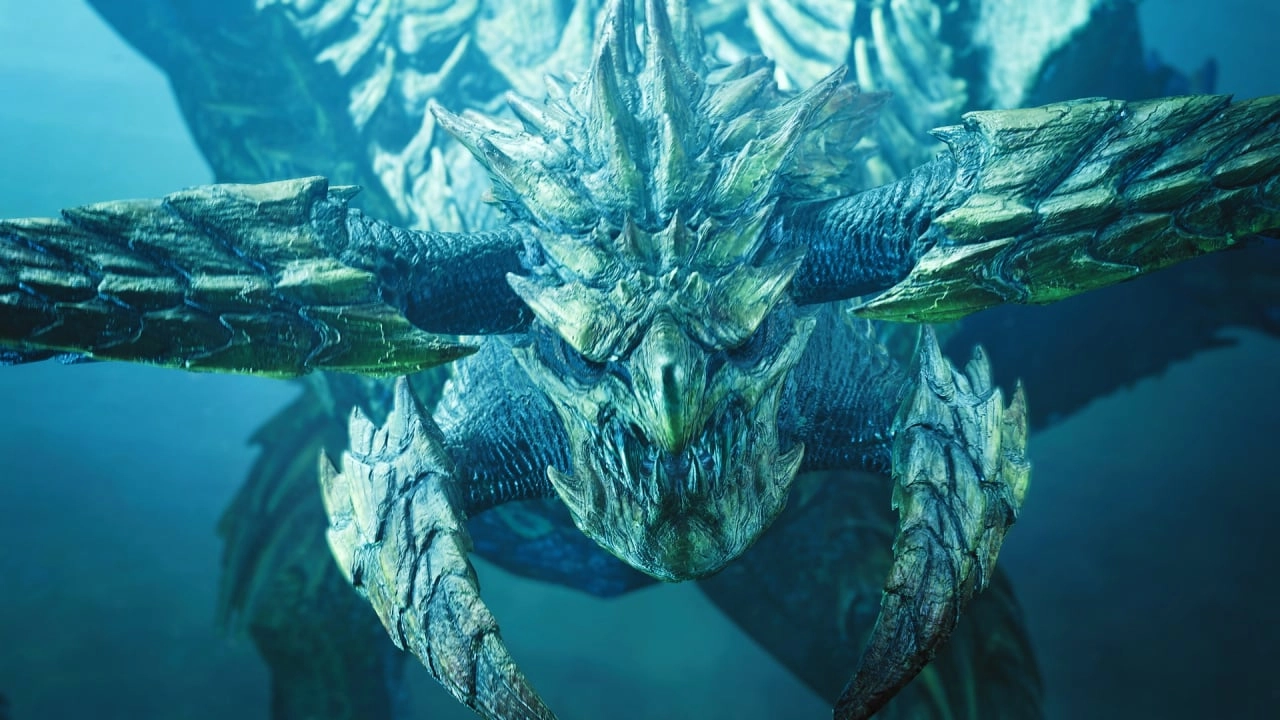
Monster Hunter Wilds, the latest installment in Capcom’s popular action-RPG series, recently underwent a beta test on PS5 and PC, providing fans with an initial taste of what’s to come. However, many longtime fans noted something amiss with the game's combat mechanics, which left them feeling perplexed and a bit disappointed. Traditionally known for its weighty and satisfying strikes, the combat in Wilds presented a noticeable deviation from its predecessors, which prompted a flurry of discussions and analyses within the community.
Experienced players quickly identified that the issue stemmed from a significant reduction in the use of 'hitstop'. Hitstop is an animation technique commonly employed in video games, especially in action-centric titles like Monster Hunter. This technique momentarily pauses the game's animation when a player's attack hits an enemy, enhancing the feel of impact and giving attacks a more tangible weight. The effect intensifies the player's sense of connection and feedback from the game, making each hit feel powerful and effective.
In Monster Hunter Wilds, the minimization of this crucial element led to an overall feeling of weightlessness in combat. Where attacks once had a visually and tactilely satisfying halt, they now flowed without interruption, detracting from the immersive experience of heavy, impactful combat that fans had come to love. Many players, accustomed to the physical feedback of past titles, felt that combat had lost an essential part of what made Monster Hunter engaging.
Further shedding light on this, a social media video posted by @Axelayer, a fan deeply embedded in the Monster Hunter community, visually contrasted the differences in hitstop between Monster Hunter World and Wilds. His demonstration highlighted not just subjective feelings from personal playthroughs but provided concrete examples of how weapon impacts had changed across the games. This contributed substantively to the community’s understanding of why Wilds’ combat felt less satisfying.
Capcom has not publicly addressed the change in hitstop, leaving players to speculate about possible reasons. Some suggest it might be an attempt to streamline combat, perhaps making it more appealing or accessible to newcomers unaware of the series' traditional mechanics. Others speculate it could be part of a larger overhaul in the animation system that inadvertently impacted perceived combat weight.
Regardless of reasons, the reaction from the fan community has been loud and clear, prompting discussions about the possibility and necessity of adjustments before the final release. Scheduled for a February 2025 launch, there is still time for Capcom to take player feedback into account and tweak game mechanics to restore the beloved heft of Monster Hunter combat.
The vocal response from Monster Hunter’s fanbase illustrates a critical aspect of game development, especially in long-running series: the balance between innovating to attract new players and maintaining core elements that existing fans have grown to love. The changes to hitstop in Monster Hunter Wilds serve as an excellent example of how subtle technical adjustments can significantly influence player satisfaction and perception.
As we move closer to the release date, all eyes will be on Capcom to see how they address this feedback. Whether they restore hitstop to its former glory or redefine combat in a new way remains to be seen, but the journey there will undoubtedly be marked by eager anticipation and spirited discussion among Monster Hunter’s passionate fanbase. The hope is that Capcom can find a middle ground that honors the series’ legacy while embracing the future, ensuring that Monster Hunter Wilds can be a top-notch gem that resonates with both newcomers and veterans alike.

You must be logged in to post a comment!
