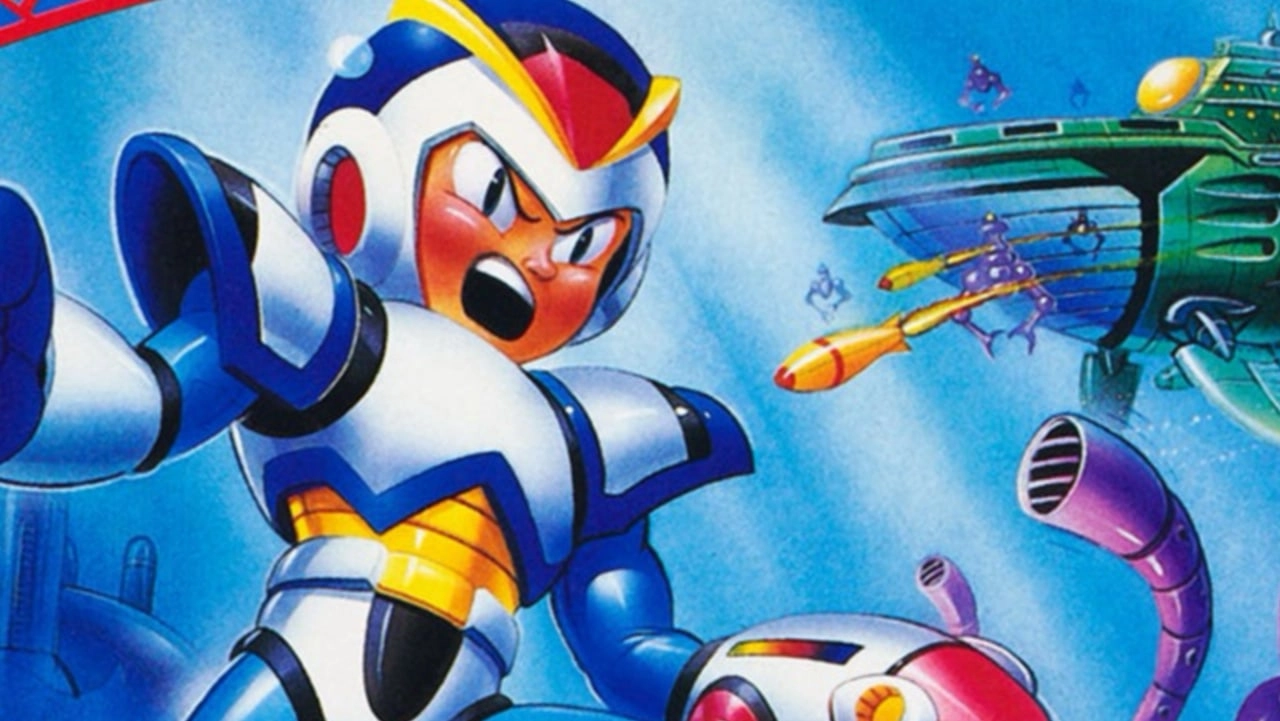
Mega Man X, a spin-off of the classic Mega Man series, made a striking debut in Japan. Introduced to the audience was not just a sequel to the beloved franchise but a step towards gaming evolution. Unionizing old-school challenge with sophisticated design, the game’s tutorial level is lauded as much more than a beginners' guide; it’s a proper journey into the future.
The Mega Man series, prior to X, was notorious for its rigorous learning curve. New players were thrown directly into the game's unforgiving world, faced with choosing from several stages, each with their unique perils. However, Mega Man X took a different path by setting up an introductory stage, a decision that has proven to be revolutionary.
Set against a dystopian cityscape, the tutorial stage unfolds linearly, easing players from various starting points. It takes advantage of the Super Nintendo Entertainment System's 16-bit capabilities, featuring enemies that could manipulate the environment itself. This wasn't just about running and shooting; it demanded adaptability and quick reflexes as platforms crumbled and new gaps emerged, creating an interactive experience where every action had tangible consequences.
Mega Man X diverges from its predecessor most notably in its wall-jumping mechanics. The inaugural stage transforms this into an essential skill, introducing foes like Bee Blader, a mechanized bee-like helicopter whose destruction alters the stage layout, compelling the player to scale walls. This first encounter with wall-jumping represents a paradigm shift, expanding the player’s approach to navigation and combat, enriching the Mega Man playing experience.
Enemies are integral to the learning curve, with creative designs that complexify the game's dynamics. Among them, the Road Attacker exemplifies this novelty. Shooting the vehicle’s driver allows X, the game’s protagonist, to commandeer the car. While this may not offer distinct gameplay advantages, it cements the game's emphasis on interaction and experimentation.
The climax of this stage arrives in a confrontation with a formidable mech, descending to overwhelm X in battle. This unwinnable fight introduces Zero, X's ally, who dismantles the foe with ease. It’s an influential moment, marking not just the character's appeal but also the series's emphasis on narrative and player investment.
Reflecting on the necessity of this tutorial stage opens a discussion on the nature of difficulty in video games. Arguably, Mega Man X might have succeeded without this handholding, but what Capcom delivered was a stage that transcended mere instruction. It’s a comprehensive experience that sets the tone for the game, with a perfect blend of challenge, learning, and excitement.
Today, decades after its release, players and critics alike celebrate the Mega Man X tutorial. It's a testament to game design, setting standards for introducing players to new worlds. The level strikes a balance between tutoring newcomers and engaging seasoned veterans, with infectious music and a gratifying build-up to the events that follow.
Its legacy prompts a poignant question raised by fans yearning for more: when will Capcom release Mega Man X9? As we commemorate the 30th anniversary of this landmark entry, its absence is felt. Nevertheless, the impact of Mega Man X's tutorial stage remains indelible, casting a long shadow over contemporary games and setting a benchmark for future tutorials.
The memory of Mega Man X doubles as a challenge to modern game developers—to craft introductory experiences that don't just convey mechanics but also encapsulate the essence of their titles. As Capcom's Mega Man X has shown, a tutorial can be more than a guide; it can be an invitation to a grand adventure, an integral part of the storytelling, and a beloved memory that stands the test of time.

You must be logged in to post a comment!
