Warner Bros. Discovery is reportedly exploring the possibility of selling a stake in its video game division, a move aimed at stabilizing its share price which has seen significant turbulence following the merger of Warner Media and Discovery in 2022. This shift in strategy comes at a crucial time as the company positions itself in the competitive entertainment and media market.
The merger between Warner Media and Discovery was intended to create a more robust entity capable of competing more effectively in the fast-evolving media landscape. However, instead of bolstering the company's market position, the merger led to a decrease in share price, prompting executives to reassess their business strategy and asset portfolio.
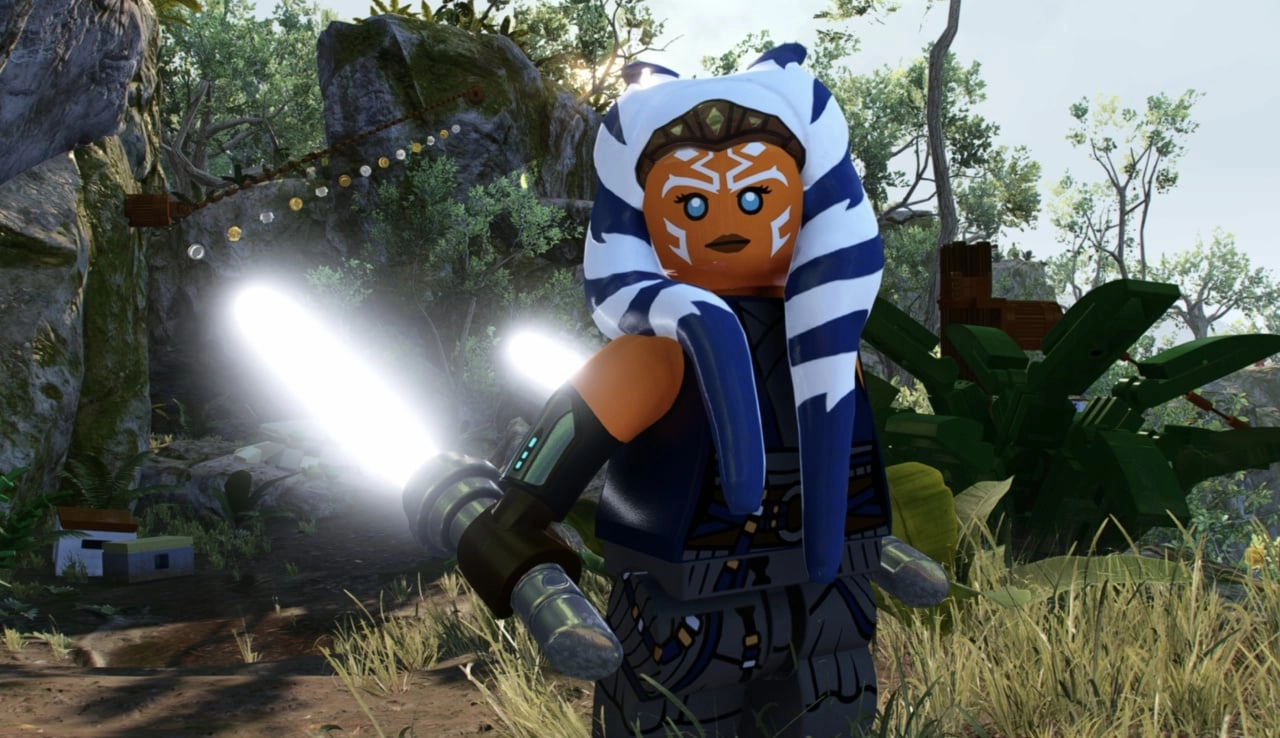
At the heart of Warner Bros.' gaming portfolio are several high-profile studios and franchises that have both seen significant successes and notable failures. For instance, NetherRealm Studios is famous for the "Mortal Kombat" series, while Portkey Games partnered with Avalanche Software for the widely popular "Hogwarts Legacy." Rocksteady Studios is well-known for its "Arkham Trilogy," and TT Games has long captured audiences with its "Lego" franchise games. These studios represent significant value due to their popular intellectual properties and established fan bases.
However, not all outcomes from these studios have been positive. The launch of the much-anticipated "Suicide Squad: Kill the Justice League" by Rocksteady resulted in both critical and commercial failure, causing a reported $200 million loss for Warner. This stark contrast in outcomes has necessitated a rethink in Warner Bros.' approach to its gaming segment.
To address its challenges, Warner Bros. Discovery CEO, David Zaslav, announced a strategic shift towards transforming the company's major game franchises. The plan includes expanding from traditional console and PC bases, which typically have three- to four-year release schedules, to embracing more continuous, always-on gameplay experiences. This transition aims at capturing more players and extending play times across multiple platforms, including live services, multiplatform, and free-to-play models.
This strategic refocus was highlighted by Warner Bros.' acquisition of Player First Games, the studio behind the "Smash Bros-inspired" fighter, "Multiversus." This acquisition signals Warner Bros.' commitment to diversifying its gaming offerings and its intent to delve deeper into live service games—a sector that has seen enormous growth in the gaming industry.
Despite the mixed results from their gaming investments, Warner Bros. considers selling a part of its stake in its gaming business, rather than a complete divestiture. This partial sale could provide the company with needed capital to stabilize its finances while still maintaining a foothold in the lucrative gaming market. Potential buyers or investors would likely be entities interested in entering the gaming domain or expanding their existing portfolios, given the strong brand associations and intellectual properties under the Warner Bros. umbrella.
The discussion around selling a stake in its video games business also includes alternative asset offloading options, such as the sale of the Polish broadcaster TVN. This confirms that the company's strategy is focused not just on recovery, but on rationalizing its assets to build a more focused and financially stable entity going forward.
Through these initiatives, Warner Bros. aims to not just salvage its present financial distress but to pivot effectively in an industry where adaptability and responsiveness to consumer preferences often dictate market leadership. The outcome of these measures, however, will largely depend on the execution of these new strategies and the reaction of the market to these adaptations. Warner Bros.’ proactive maneuvers suggest a strategic agility that could very well determine its standing in the evolving global media and entertainment landscape.

You must be logged in to post a comment!
