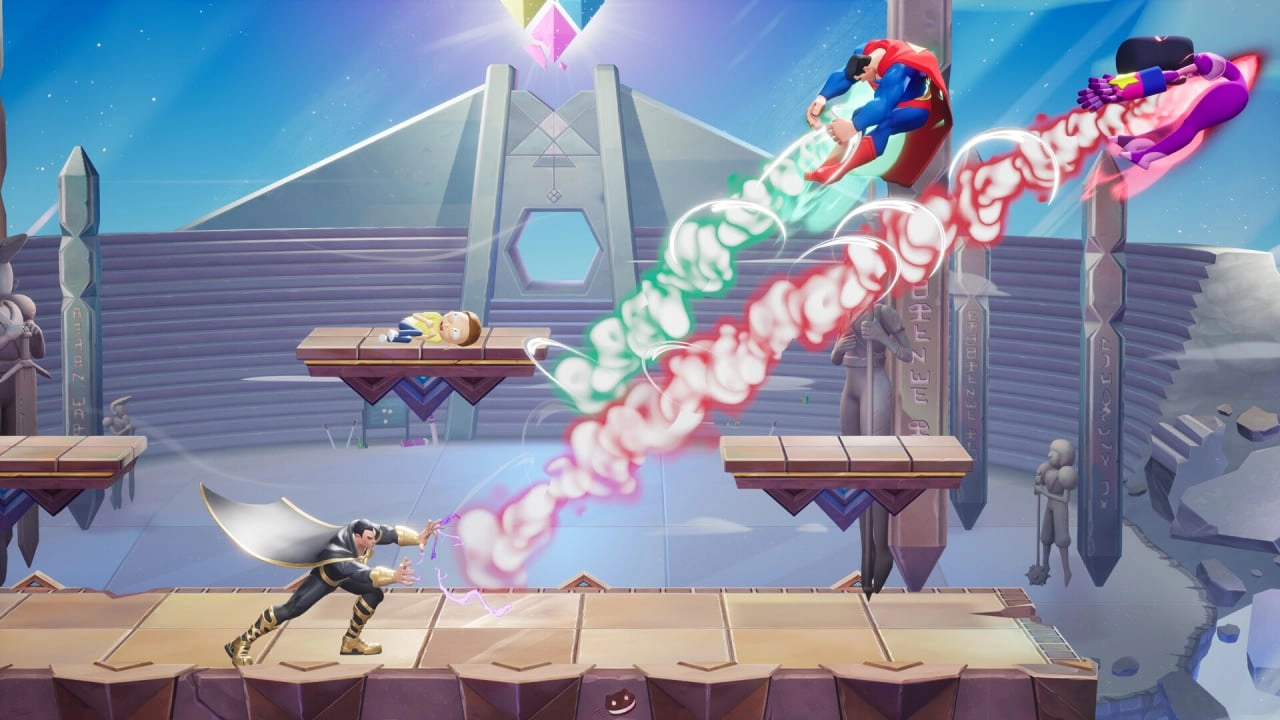
Warner Bros. has found itself navigating through a turbulent phase in its gaming division, with several of their most anticipated titles not performing as expected. Of particular note, MultiVersus, a game that was relaunched in May this year after an initial release and subsequent withdrawal in 2023, has been pinpointed as a significant underperformer.
During a recent earnings call, Warner Bros. Discovery CFO Gunnar Wiedenfels reported a distressing financial picture for the games segment. MultiVersus, which has gone through a rocky journey of relaunches, was specifically mentioned as a primary factor contributing to the financial struggles in the gaming division. An impairment charge of over $100 million was recorded this quarter due to the underwhelming performance of MultiVersus alone. This brings the total write-down for the year to over $300 million across the games business, significantly impacting the studio’s profits.
Additionally, another game associated with a heavyweight franchise, Harry Potter: Quidditch Champions, also failed to make a mark in the third quarter of the year. This game, alongside the highly criticized Suicide Squad: Kill The Justice League—which is reported to have caused a loss of around $200 million earlier in the year—highlights the challenges faced by Warner Bros in its gaming endeavors.
The downturn in Warner Bros.' games business is notably stark compared to last year, with a reported 31% decline in games revenue. This decline was contrasted against the previous year’s more successful slate, primarily driven by the release of Mortal Kombat 1. Warner Bros. Discovery CEO David Zaslav addressed these issues during the call, admitting that the gaming business is substantially underperforming its potential.
Despite these financial setbacks, feedback from players regarding the gameplay experience presents a silver lining. MultiVersus has been described as decently fun when played with friends, and Harry Potter: Quidditch Champions has been recognized for its entertainment value. Moreover, some players and critics believe that Suicide Squad has been underrated by the broader audience.
The sentiment from parts of the gaming community indicates a disconnect between the financial performance of these games and their reception by players. Some enthusiasts are actively enjoying these games, noting improvements and engaging actively with the content. Discussions among gamers reflect a mix of frustration and appreciation, particularly concerning the pricing and monetization strategies used in games like MultiVersus. This suggests that while gameplay elements might be resonating with a segment of the audience, the broader strategies around game marketing, positioning, and possibly monetization need revisiting.
As Warner Bros. contemplates the next steps in its gaming strategy amidst these financial and operational challenges, there appears to be continued interest in investing in potential sequels or new ventures that could recapture the audience's interest and drive better financial outcomes. Hogwarts Legacy, often cited by fans and hinted at by insiders, might represent a strategic focus for Warner Bros as they aim to harness the enduring popularity of the Harry Potter franchise.
The challenges highlighted in Warner’s recent earnings call reflect broader issues within the gaming industry related to balancing player satisfaction with financial success. The experiences of Warner Bros. underscore the complex dynamics of game development, marketing, and consumer expectations in an increasingly competitive entertainment landscape. As the company looks to future projects and strategic adjustments, the lessons learned from these underperforming titles will likely influence their approach, aiming for a more successful alignment between player engagement and economic performance.

You must be logged in to post a comment!
