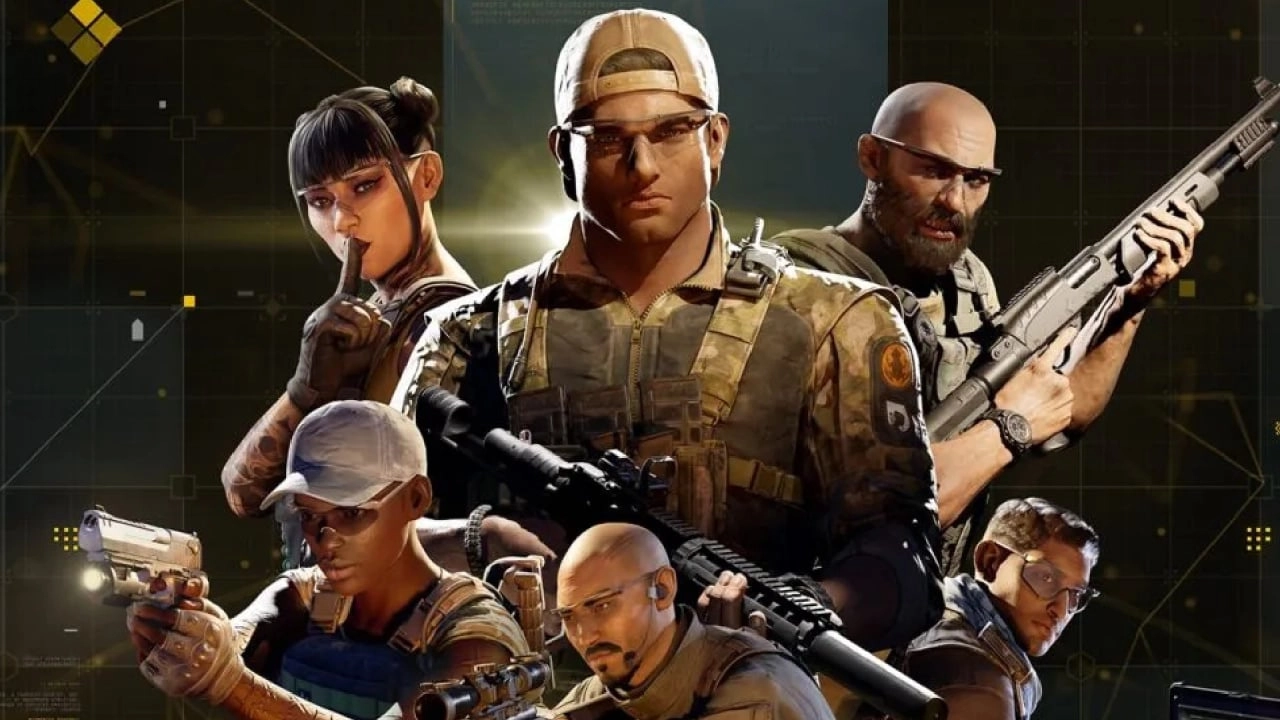
The world of virtual reality (VR) gaming is facing a significant setback as First Contact Entertainment, a studio celebrated for its contributions to the PlayStation VR (PSVR) platform, announces its shutdown by the end of the year. Renowned for games such as "Firewall Zero Hour" and the PSVR2 title "Firewall Ultra," the studio is closing its doors after an eight-year run in the gaming industry.
The closure comes as a shock to many, especially considering the acclaim that "Firewall Zero Hour" had garnered within the VR community. The game not only attracted a sizeable and dedicated player base but also received high praise for its immersive experience and gameplay. However, despite this success, the studio has pointed to the overall lack of VR support in the industry as the core reason for their eventual shutdown.
In a frank statement, First Contact Entertainment explained the financial impracticality of continuing operations as a AAA VR game developer. The high costs of producing top-tier VR content have become unsustainable in the context of the industry's tepid support for the VR segment.
This news might not come as a complete surprise to those who have been following the studio's journey, particularly through the launch of "Firewall Ultra." Earlier in the year, in anticipation of the game's release, communications manager David Jagneaux shared the company's hopes for the title. He detailed the live service model pivot for "Firewall Zero Hour," and the intention to design "Firewall Ultra" with this model from the start. However, with this recent announcement, the first season update, Operation Bloodline, might be the last content update fans will see.
The developer's attempt to reach out to the community with innovative and boundary-pushing content has been lauded in their statement of closure, expressing pride and gratitude towards their team, investors, partners, and most of all, the community of loyal players. They also promised a "wild ride" as a parting sentiment, though it is bittersweet considering the closure.
The industry's hesitant embrace of VR technology has been a challenge that many developers have faced. While VR offers an unparalleled level of immersion and potential for gameplay innovation, the requisite investment in both development and the consumer hardware required to enjoy such titles has contributed to a slower growth trajectory compared to traditional gaming platforms.
Interestingly, while "Firewall Zero Hour" managed to carve out a successful niche for itself, its sequel, "Firewall Ultra," seemed to lag behind, at least as far as critical reception was concerned. This disparity highlights the difficulty of maintaining momentum in the VR space and creating experiences that continually raise the bar for what players expect.
Reflecting on the broader impact, the demise of First Contact Entertainment could be symptomatic of the heavier risks involved in VR game development. The VR market is still relatively niche, despite the enthusiasm of its supporters and breakthroughs in hardware and software technology. Studios like First Contact pave the way with ambitious projects, but when the industry support doesn't match the pioneering efforts of creative studios, it can lead to unfortunate outcomes like this.
As the gaming community processes this closure, questions emerge about the future of existing titles like "Firewall Ultra," such as the status of their game servers and ongoing player support. The studio has not yet provided details on these points, but hopeful fans are eagerly awaiting further announcements.
The story of First Contact Entertainment's closure is a sobering one, illustrating the harsh realities of an ever-evolving gaming industry, where innovation alone does not guarantee survival. It also serves as a poignant reminder of the challenges that smaller studios and niche market segments face in a landscape dominated by blockbuster titles and mainstream gaming experiences. As VR continues to grapple with reaching a wider audience, the memory of First Contact's bold pursuits in VR gaming remains, urging the industry to reevaluate the support for creative ventures that dare to venture into uncharted technological territories.

You must be logged in to post a comment!
