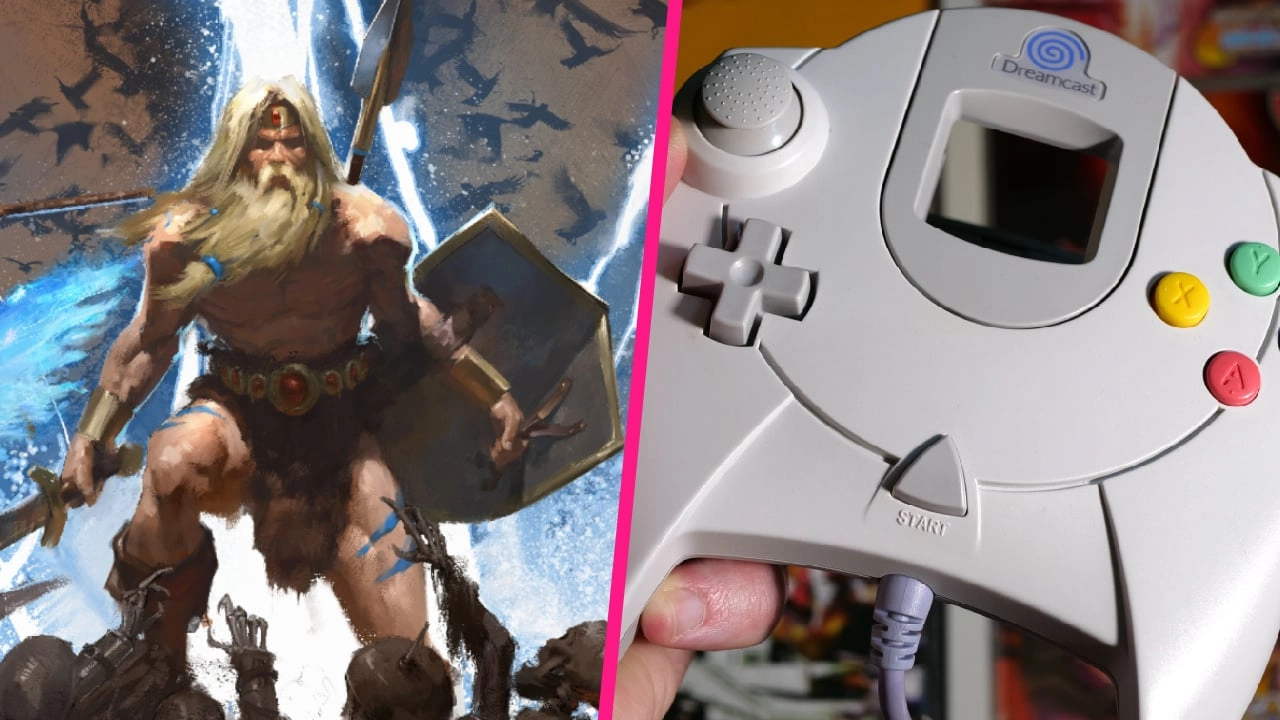
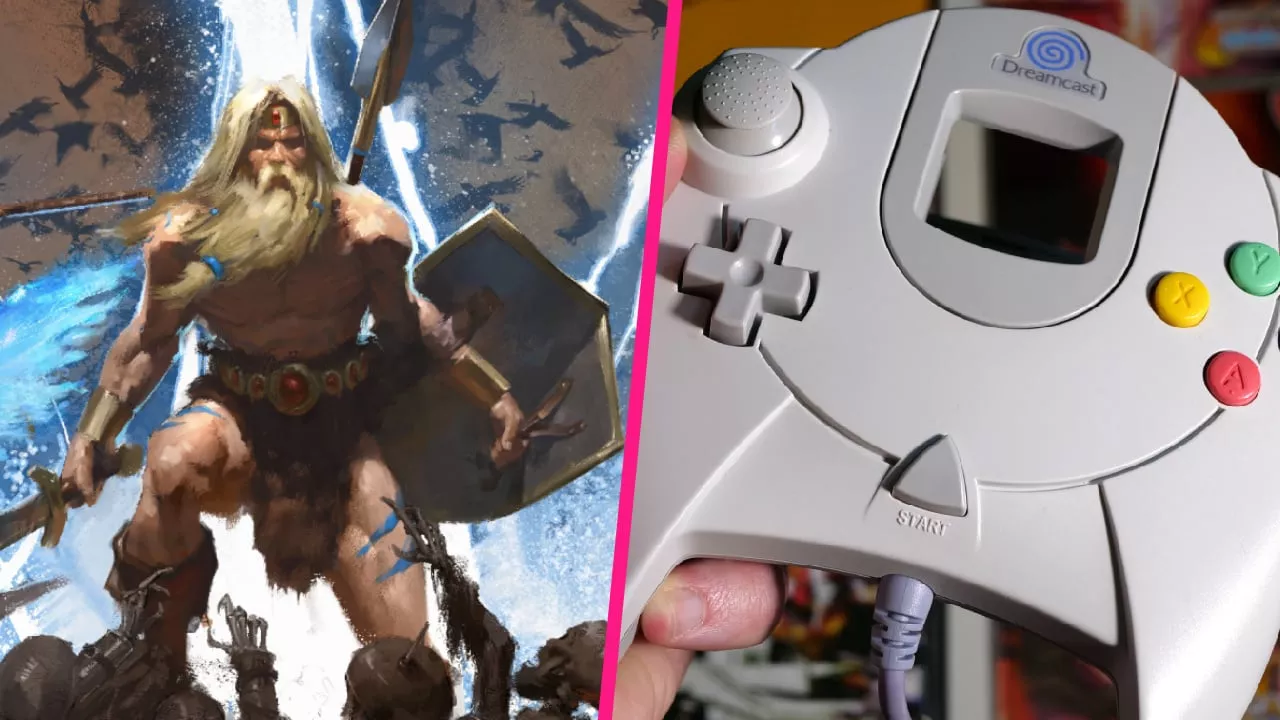
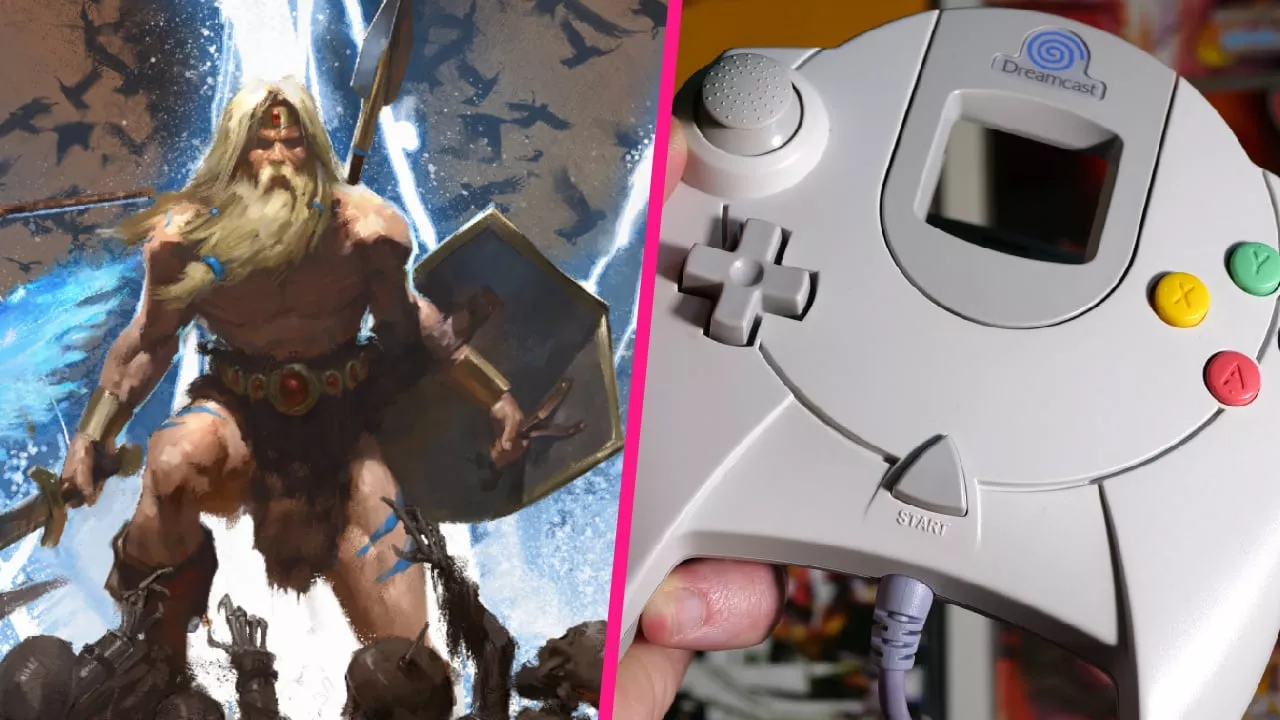
Volgarr the Viking, a challenging action-platformer game developed by Crazy Viking Studios, made an unexpected debut on the Sega Dreamcast console in 2015. This was made possible by Marc Hall, a dedicated software engineer who managed to secure permission from the studio to port the game and release it for free online. This move garnered considerable attention and appreciation within the Dreamcast gaming community, sparking discussions and hope about potential future ports of the game’s sequels to the vintage console.
As discussions and speculations continued among fans, Volgarr the Viking II was released. Given the success and warm reception of the first game’s Dreamcast port, questions naturally arose about the possibility of a sequel following the same path. In a recent interview, Kristofor Durrshmidt, CEO and creative director of Crazy Viking Studios, addressed these inquiries, shedding light on the complexities involved in developing games suitable for modern systems and the subsequent challenges in adapting them for older platforms like the Dreamcast.
Durrshmidt explained that creating sprite-based games on contemporary hardware is not as straightforward as it might seem. The complexity lies in the necessity to custom-write software because all modern video cards are predominantly designed to support 3D graphics. For a game involving 2D sprite worlds, developers need to transform these into textures that can be mapped onto 3D planes—a process that can be intensive and cumbersome when dealing with large-scale game environments and high-resolution sprites.
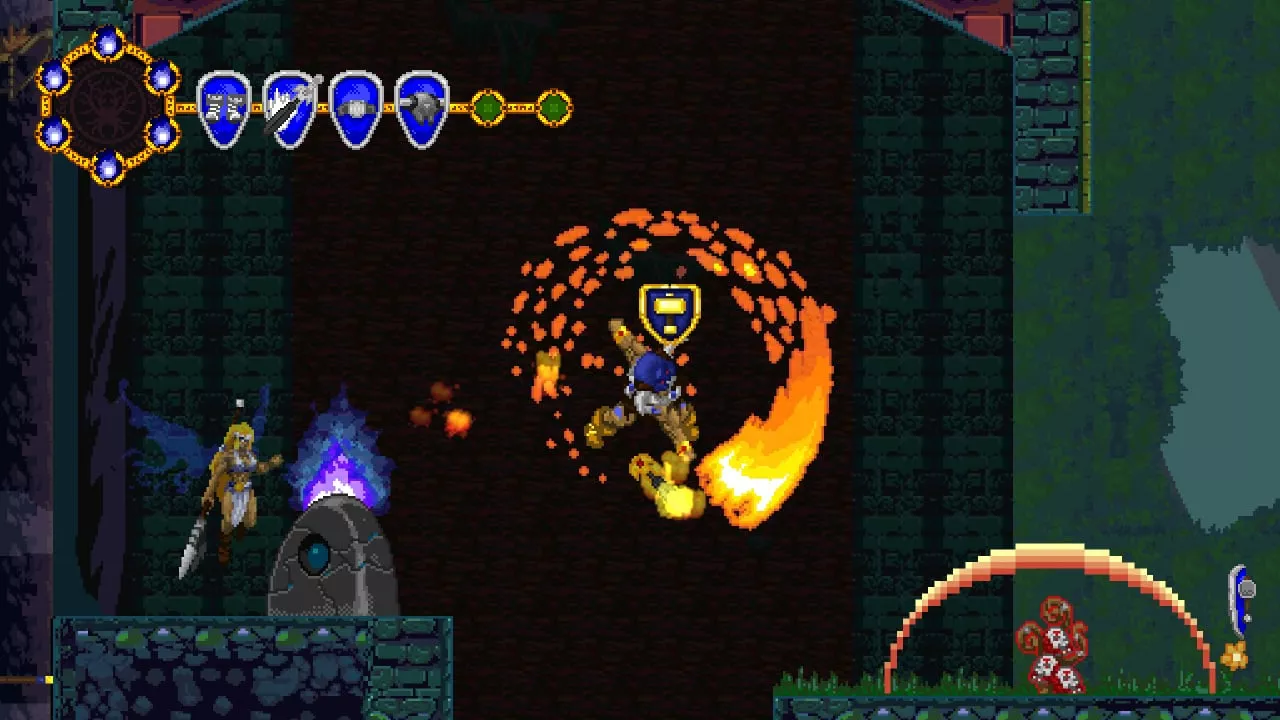
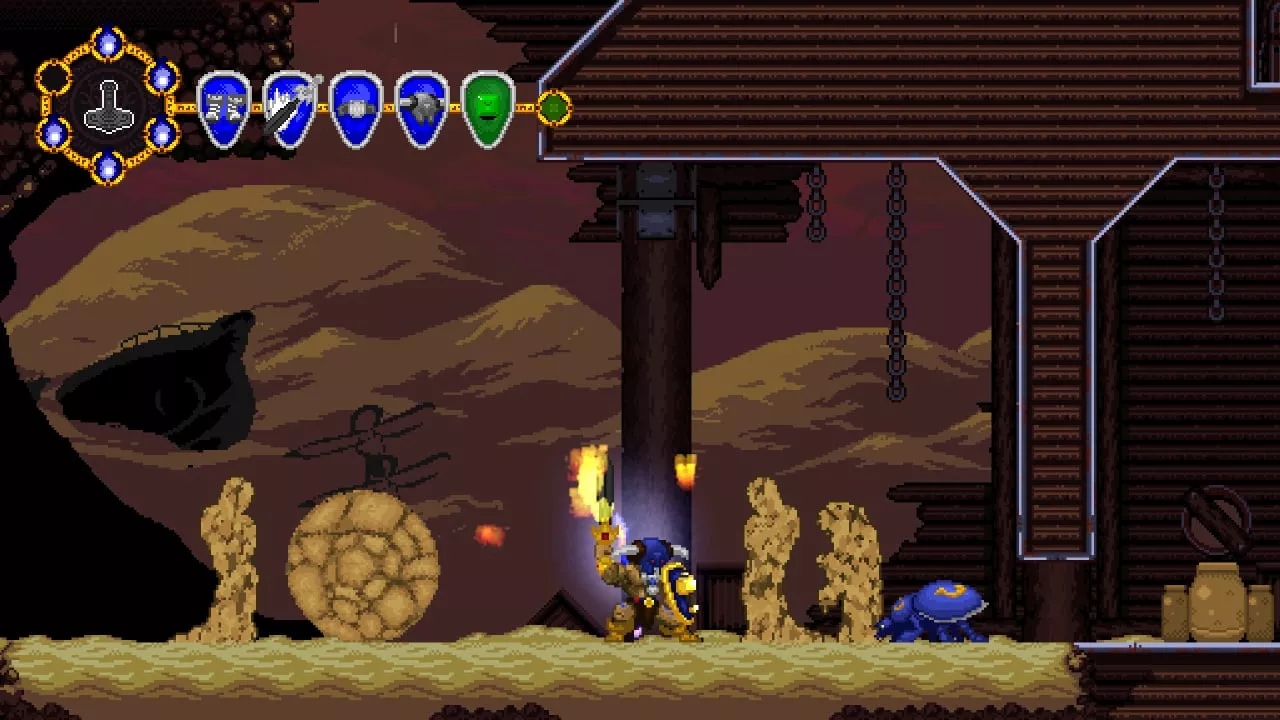
In the context of Volgarr the Viking II, the game exhibits a vast world with intricate textures and numerous frames of animation for each sprite, which significantly upscales the texture details required. These technical demands are beyond what the Dreamcast could efficiently handle, a console that, despite its charm, is markedly outdated by today’s gaming hardware standards.
Durrshmidt reminisced about the exceptional work done by Marc Hall in adapting the first game to the Dreamcast, particularly in terms of breaking down these large textures into manageable segments. However, he was skeptical about replicating this effort for Volgarr the Viking II given its enhanced scope and complexity. He acknowledged that the original game had already pushed the Dreamcast to its limits.
Moreover, the fact that Marc Hall has moved on from Crazy Viking Studios and is currently engaged elsewhere diminishes the likelihood of a Dreamcast port of the sequel. Despite this, Durrshmidt appeared open to the possibility, should another skilled engineer express interest and capability in undertaking such a project. He emphasized the significant commitment and expertise required to achieve a successful port under these conditions but did not entirely shut down the prospect, recognizing the passion within the Dreamcast community.
Durrshmidt’s comments suggest that while Crazy Viking Studios appreciates the community’s enthusiasm for Volgarr the Viking and its potential on legacy platforms like the Dreamcast, practical and technical barriers make a port of Volgarr the Viking II highly improbable. However, the door remains ajar for skilled programmers who are willing to take on the challenge of adapting the game for the Dreamcast, with the studio’s blessing.
For now, fans of Volgarr the Viking might have to settle for experiencing the sequel on newer platforms where it is currently available, such as the Nintendo Switch, PS4, PS5, Xbox Series X|S, Xbox One, and PC via GOG and Steam. These platforms can fully support and display the game’s detailed graphics and expansive worlds, delivering an optimal playing experience that the Dreamcast, beloved though it may be, cannot feasibly provide given its hardware constraints.

You must be logged in to post a comment!
