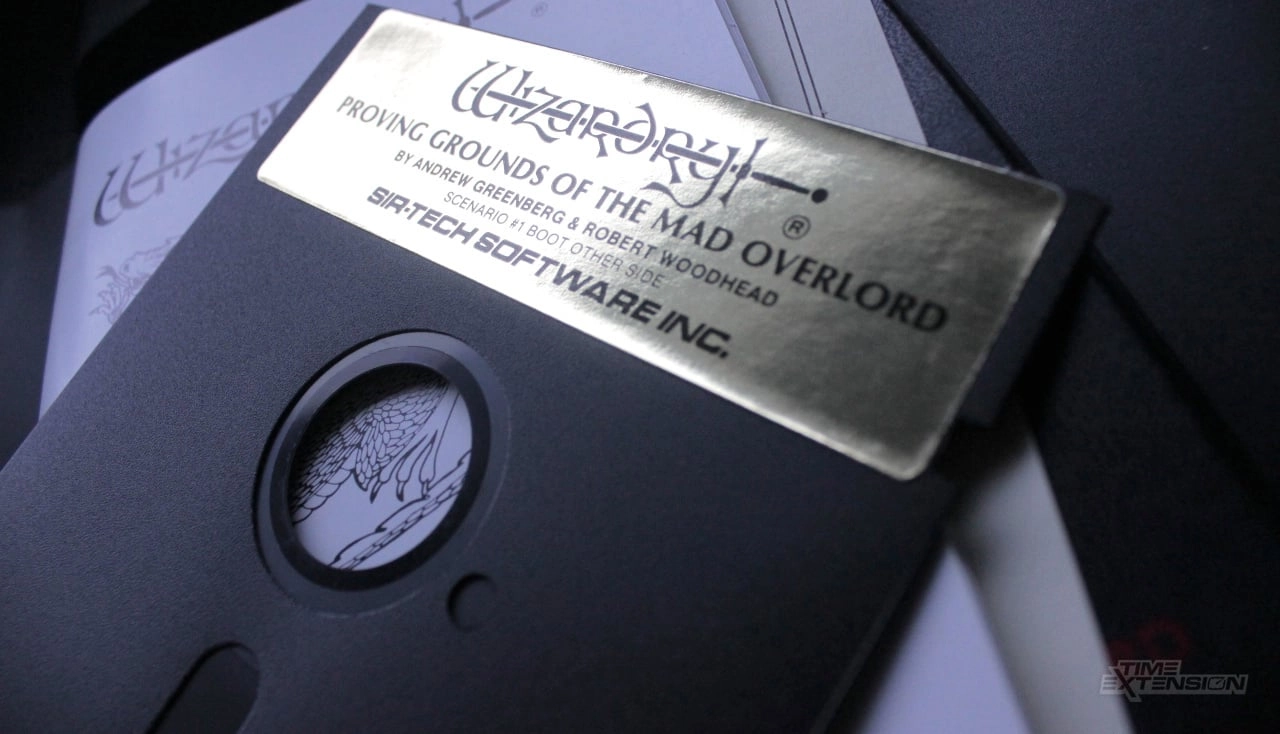
In the realm of video game development, creators often encounter challenges that extend beyond coding and graphics; they sometimes grapple with issues around piracy. Robert Woodhead, co-creator of the iconic Apple II game Wizardry, recently shared a story that sheds light on the complex relationship developers have with piracy and its unforeseen outcomes.
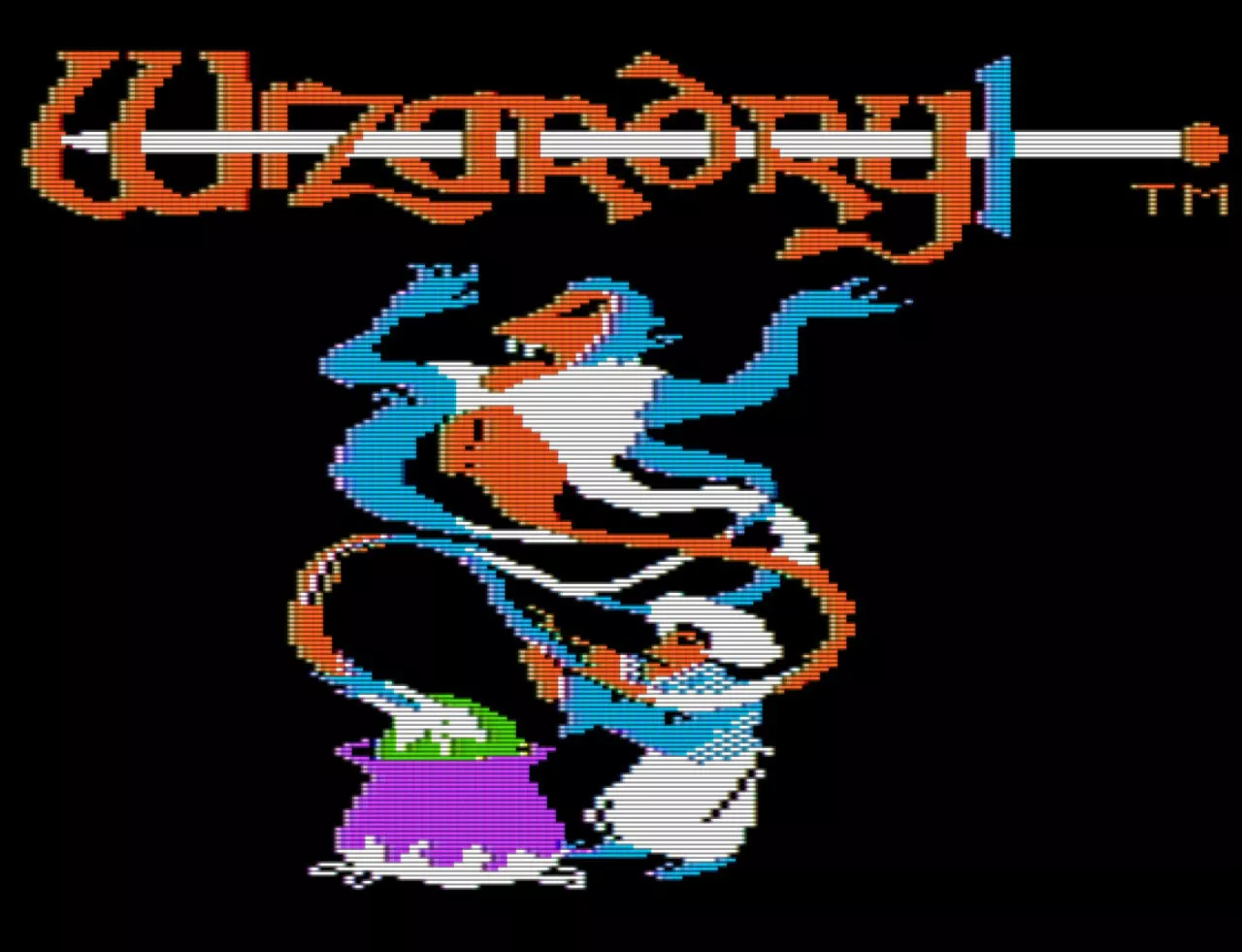
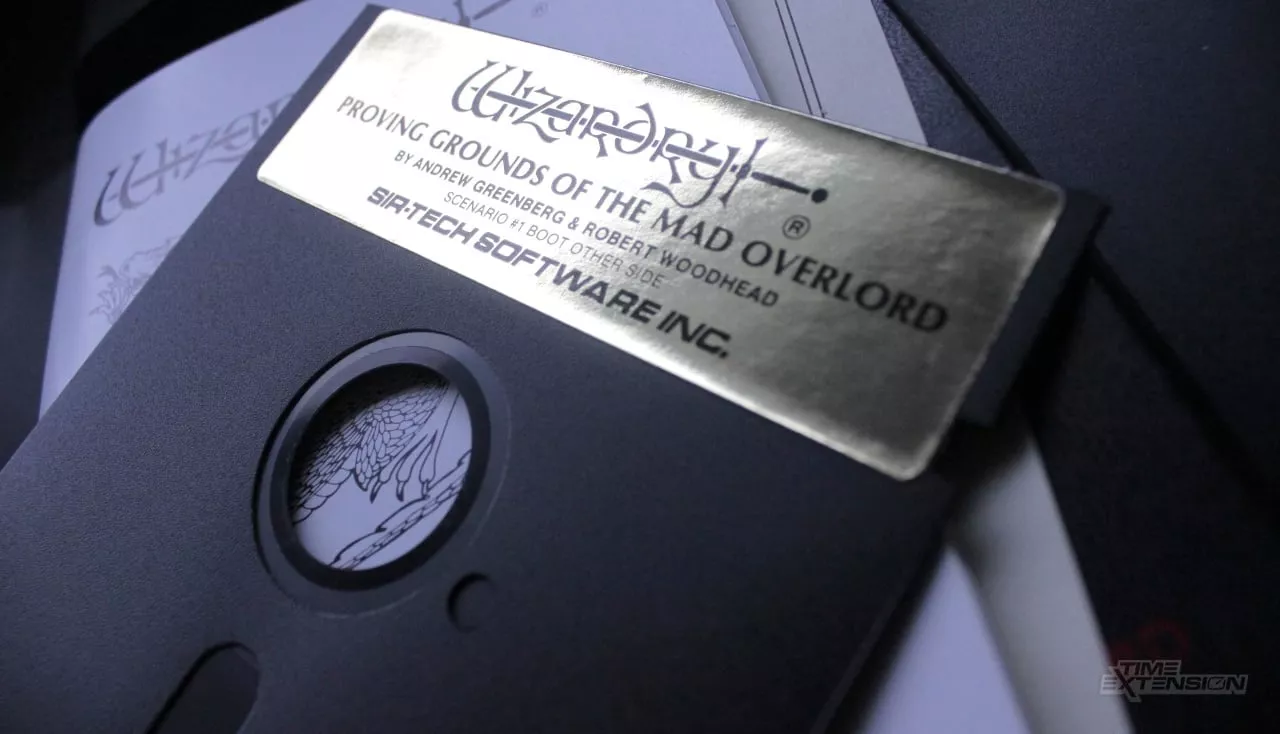
Wizardry, developed by Woodhead and Andrew C. Greenberg in the early 1980s, was a pioneering RPG game that went on to inspire major titles such as Dragon Quest and Final Fantasy. Its complex gameplay and immersive storytelling captured the imaginations of many players around the world. Unfortunately, like many popular games of its era, Wizardry was heavily pirated, which led to significant financial losses for its creators.
In an emotional twist, Woodhead recounted an interaction that occurred shortly after the death of his colleague and friend, Andrew Greenberg. The day after Greenberg's passing, Woodhead received a letter that was unexpected and unusual. It was from a person who had played Wizardry years ago—using a pirated copy. The player expressed deep appreciation for the game and its impact on their life but admitted that the copy they played was not purchased legally.
Accompanying the letter was a sum of $300, an amount the sender calculated as the original cost of the game adjusted for interest and inflation. This gesture was meant to make amends for the wrongdoing of having pirated the game years before. The sender, acknowledging their inability to contact the game’s original publisher, entrusted Woodhead with the enclosed money to use as he saw fit.
Moved by the timing and sincerity of the gesture, Woodhead decided to pass on the money to Greenberg's children, hoping that it would contribute to creating good memories for them, much like the game had for so many of its players. This action not only brought a moment of solace in Woodhead's grief but also highlighted the profound bond between game creators and their audience, a relationship that often transcends mere entertainment.
Throughout the years, Woodhead's perspective on piracy has evolved. Initially, piracy was a source of frustration and perceived as a significant threat to the livelihoods of software developers. In 1988, Woodhead estimated that Sir-Tech, the publisher of Wizardry, lost about a quarter of its rightful revenue due to illicit copies circulating in the market. This led him to participate actively in anti-piracy efforts, including infiltrating pirate bulletin boards to gather intelligence.
However, as the years have passed, Woodhead has become more nuanced in his views on piracy. He recognizes that there are varied reasons why people might resort to pirating software, including financial constraints that make purchasing games unaffordable. He now sees that not all piracy is malicious in intent and acknowledges that some individuals who engage in this act still hold a deep respect and appreciation for the creators' work.
This story serves as a compelling example of the unexpected ways in which the relationship between developers and their audience can evolve. It highlights that the impact of video games can extend far beyond their initial release, continuing to influence and inspire long after they have left store shelves. The gesture by the former pirate also encourages a broader reflection on the ethics of software piracy and its long-term effects on both creators and users.
The tale recounted by Woodhead is a testament to the lasting legacy of Wizardry, not just as a foundational RPG but as a game that deeply touched its audience, compelling even those who once wronged its creators to seek redemption. It underscores the emotional and moral dimensions of gaming, showing how a world of pixels and narratives can forge real-world kindness and closure.

You must be logged in to post a comment!
