
In the late 1980s, a remarkable event unfolded within the Swiss programming community—one that would, strangely, fade into obscurity until recently reignited by academic curiosity. In 1989, a 14-year-old named Jean-Claude Schopfer developed a game for the Atari ST called Aventura I. His work earned him an award at the Computer 90 Expo, sponsored by Crédit Suisse, but subsequent to this achievement, Schopfer seemingly vanished from the gaming scene altogether.
The intrigue surrounding Schopfer’s sudden disappearance from the video game world is not just about the disappearance itself, but also about the cultural and personal implications of his brief but impactful entry into game development. This inquiry was revived by Pierre-Yves Hurel while engaged in a broader study on Swiss video games for his PhD research.
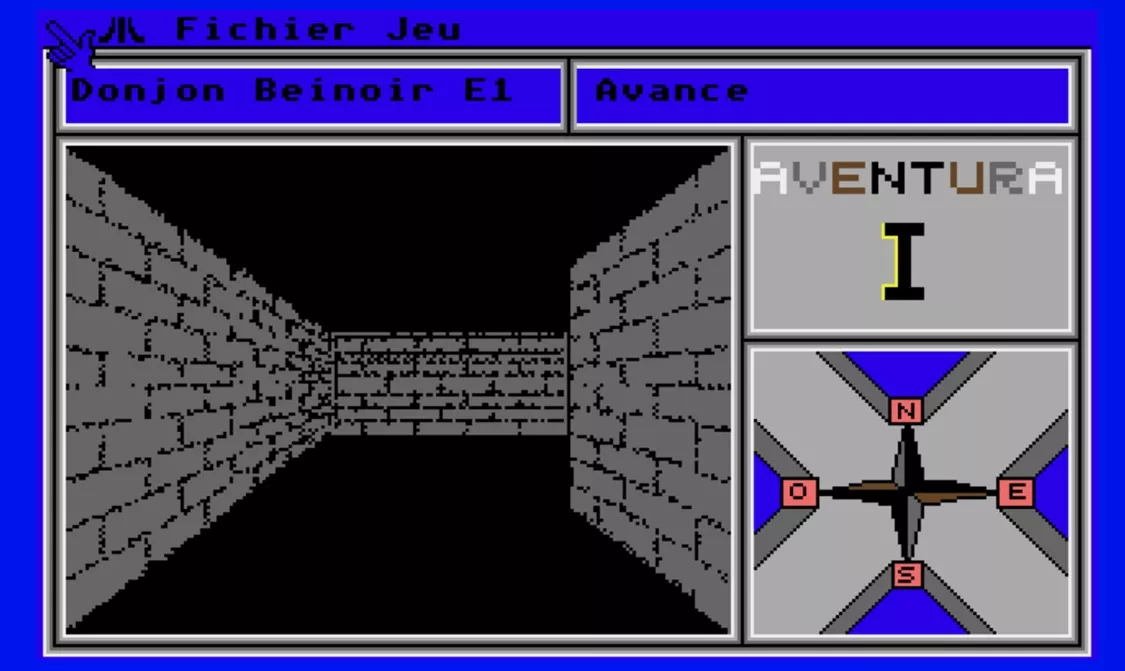
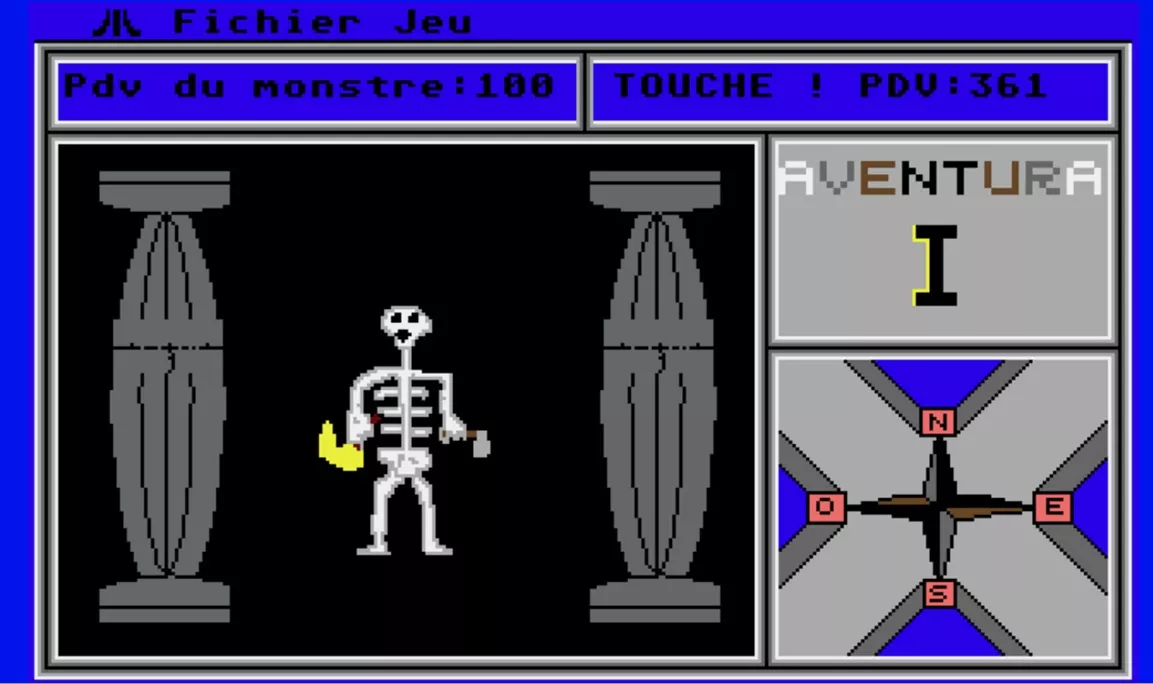
Aventura I was an RPG that drew inspiration from popular games at the time such as Ultima IV and Dungeon Master. Despite its challenging gameplay and technical imperfections, including a crash bug upon the player's death, the game represented a significant personal achievement for Schopfer and a notable contribution to the then-nascent Swiss game development scene. The game itself invites players into a real-world location in Switzerland, Le Manoir Maudit, which translates into English as "The Cursed Manor". Using a digitized photo of the decrepit manor prominently featured on the game’s start screen, it served as both setting and portal into the game’s fantasy dimensions.
Determined to uncover more about the young developer and the game, Hurel scoured through archives and old newspapers. He finally managed to locate Schopfer and arranged an interview. It was revealed that after his swift rise to public attention, Schopfer shifted careers and has been working as a programmer in the banking sector. He reflected on his youthful aspirations, mentioning that, while programming was a passion, his dream had always been to be a writer. The conversation took a nostalgic turn as Schopfer shared insights into his experience as an amateur game developer. Although he considered creating a sequel, Aventura II, a hard drive failure led to the loss of his work, which discouraged further development.
Schopfer's story is a poignant reminder of the organic, deeply personal nature of early game development, particularly in the amateur space. The passion projects of individuals often became testaments to their youthful creativity and ambition. In his case, the development of Aventura I was intertwined with the physical location of Le Manoir Maudit—a place of local legend and personal significance for him and his peers, who had filmed an amateur movie there before its demolition.
Hurel’s presentation at the History of Games conference shed light not only on Schopfer’s journey and the fleeting nature of early game development careers but also on the broader ecosphere of amateur gaming. By framing Schopfer’s work within the context of personal narrative and intimate creation, Hurel highlighted the significant role such games play in contributing to regional and gaming history.
Moreover, Schopfer’s transition from his potential path as a game developer to a more conventional career highlights the uncertainty many faced regarding the viability of game development in lesser-known hubs like Switzerland during the 1980s and 1990s. The ambivalence toward pursuing a career fraught with instability reflects a common dilemma faced by many young creators at the time.
Schopfer's story, rediscovered and shared decades later, underscores the enduring impact of games as cultural artifacts. It illustrates how individual stories and creations can resurface, bringing new insights into the personal histories that many early game developers experienced. Through academic interest and investigation, what might have remained a forgotten footnote in digital entertainment history gains new life and recognition, preserving the legacy of these pioneering efforts for future generations. This rejuvenation of interest also serves as a reminder of the transient yet impactful nature of digital creations, both in their heyday and in the historical record.






You must be logged in to post a comment!
