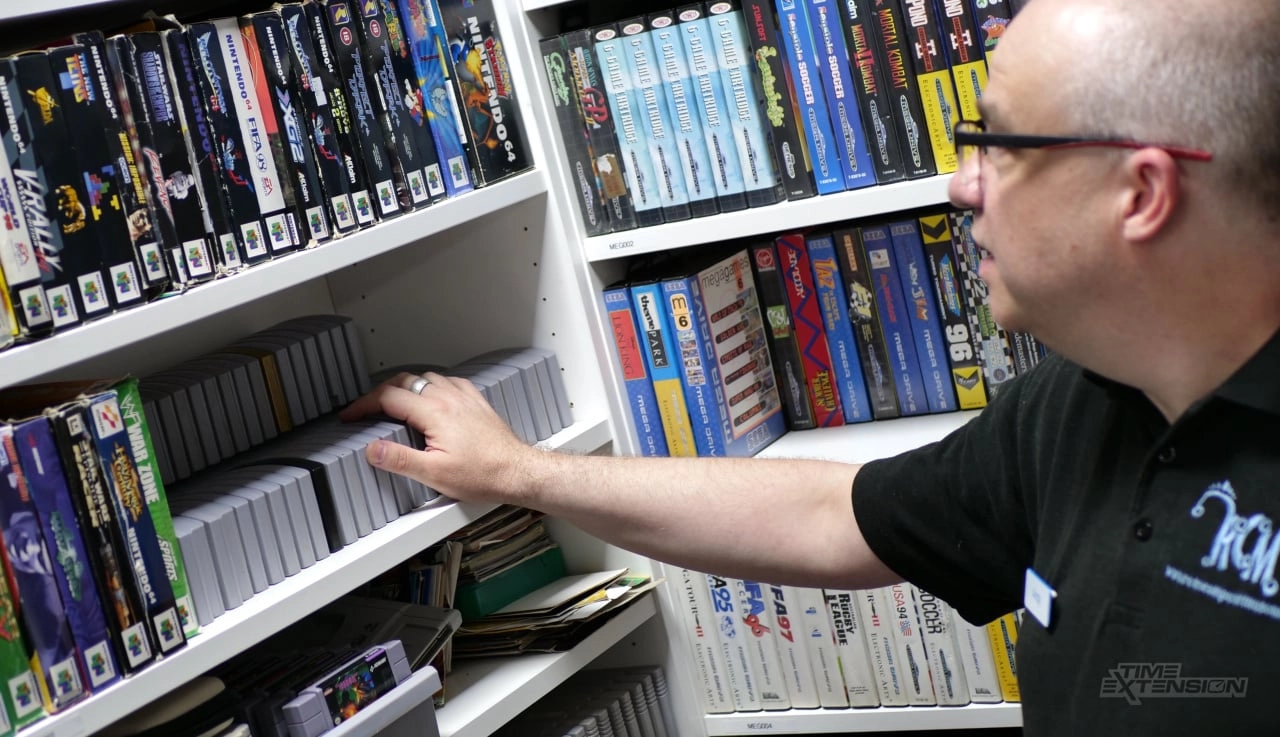
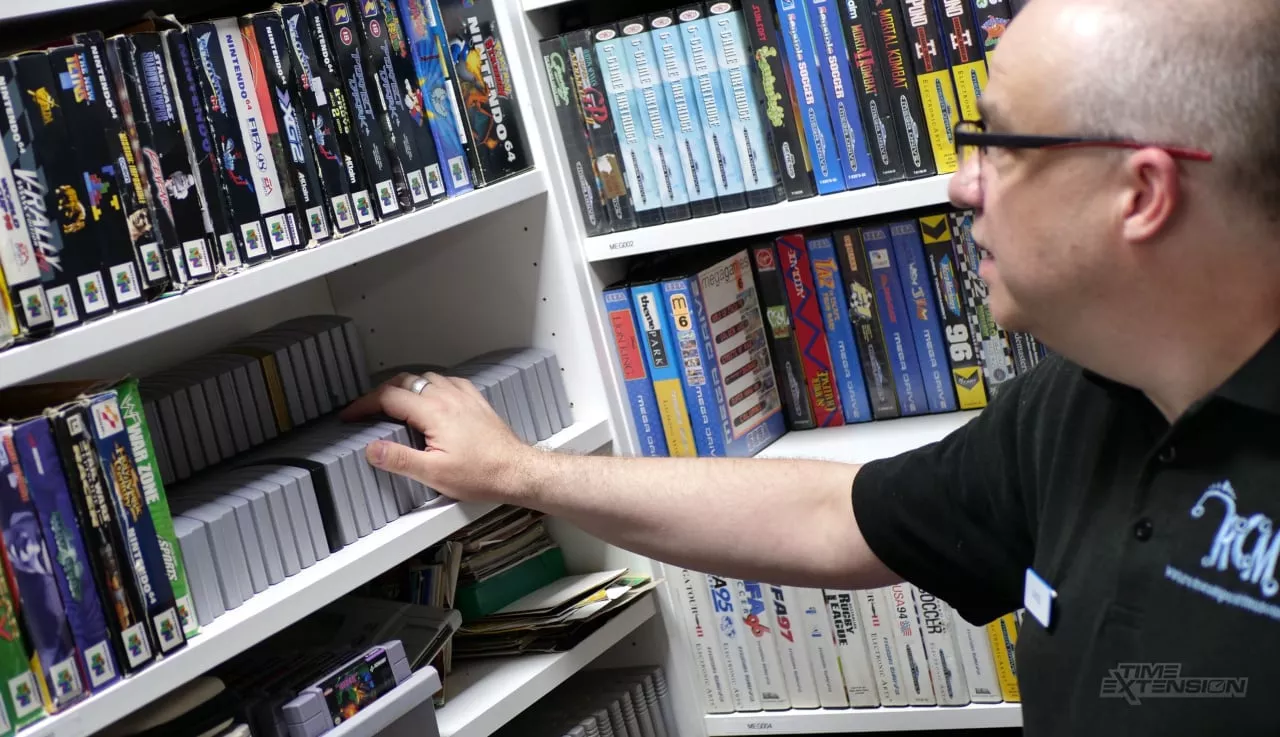
The Retro Computer Museum in the UK, a temple to video game nostalgia, stands as a testament to the enduring love and fascination people have for older video games. The shelves, stacked with old consoles and cartridges, narrate a history that many fear will become inaccessible due to legal restrictions.
Recently, the Video Game History Foundation (VGHF), a dedicated advocate for video game preservation, uncovered a shocking statistic: almost 90% of video games released before 2010 cannot be legally acquired today. This revelation has spurred the foundation to push for a change in the Digital Millennium Copyright Act (DMCA).Their goal is to allow libraries the same rights to distribute digital copies of games as they do books, thereby preserving video game history for educational, cultural, and recreational purposes. Unfortunately, their efforts have been thwarted by a recent decision from the US Copyright Office.
Under current law, even if libraries possess copies of old video games, they are restricted to providing access to them one person at a time, and only in person. This severely limits public access and does little to prevent the inevitable decay of physical media. The VGHF proposed a system where libraries could enable multiple users to access digital or streamed versions of games from any location, significantly broadening outreach and preserving the games before they are lost to time.
However, opposition from influential industry bodies like the Entertainment Software Association (ESA) has been a significant barrier. The ESA has argued that allowing libraries to archive and distribute video games digitally would compromise their market by making it too easy for people to copy and share games illegally. They contend that current measures aren't sufficient to stop potential piracy, an argument that has found favor with the Copyright Office.
The ESA's stance, however, doesn’t factor in the unique value of these games beyond their commercial exploitation. Just as libraries lending books does not substantially harm the book market—often actually enhancing book sales through heightened interest and visibility—the same could be true for video games. Many games, unlike books, face the risk of disappearing entirely if not preserved due to the fragility of their media formats, such as disks and cartridges susceptible to damage over time.
The foundation has suggested potential safeguards to address industry concerns, such as implementing time restrictions on access or a controlled distribution system where the end-user cannot download but only stream games. Despite these efforts, no agreement has been reached, and the Copyright Office has remained unmoved by the arguments for preservation.
In their response to the decision, the VGHF expressed their disappointment and determination to continue the fight for access and preservation:
"We’re not done fighting here," stated the VGHF. "We will continue our advocacy for greater access and legal allowances for video game preservation and work with members of the game industry to raise awareness of these issues."
This ongoing battle signifies a broader issue within the realm of cultural preservation. Video games are an integral part of modern cultural heritage and history. Their interactive nature offers insights into past technology, creativity, and media consumption that are invaluable for future generations. With formal avenues currently limited by the Copyright Office's ruling, many researchers and enthusiasts might resort to informal methods to access and preserve these games, a situation the foundation hopes to change.
As the debate over the proper balance between copyright protection and access to historical content continues, the importance of preserving our digital past in accessible formats remains clear. Ensuring that future generations can study and enjoy yesterday’s video games is crucial for understanding the evolution of digital media and technology. The VGHF and supporters of video game history are committed to pressing forward, hoping to secure a future where games that shaped the industry and entertained millions are not lost to legal and physical decay.

You must be logged in to post a comment!
