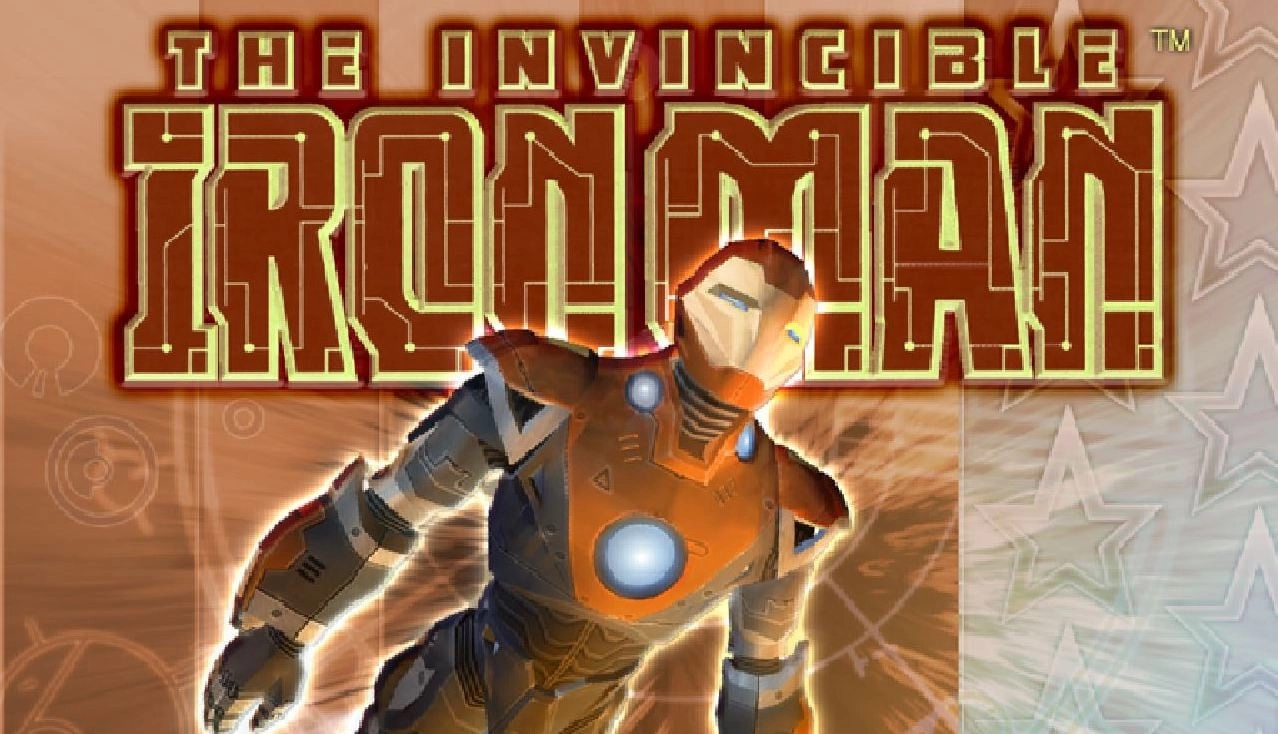
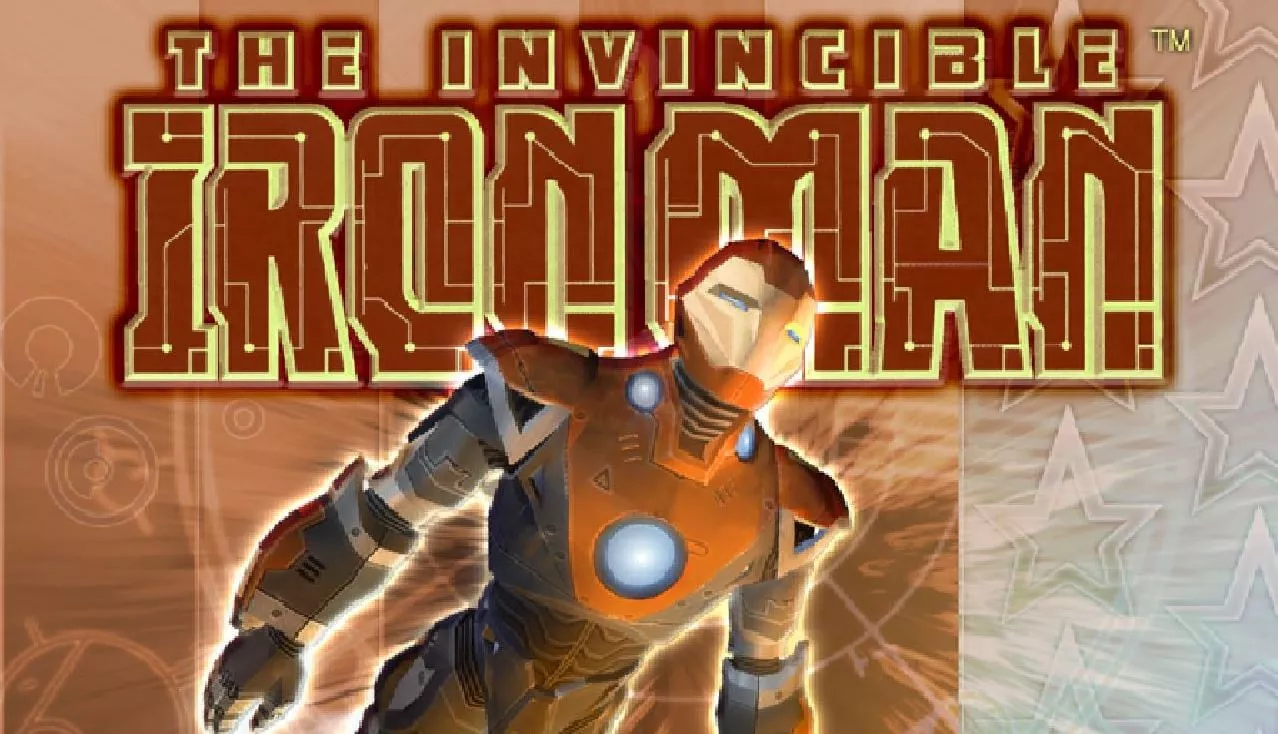
Once destined to bring Marvel’s iconic superhero to gaming consoles, the ‘Invincible Iron Man’ game was a project full of potential that never saw the light of day. Developed by Genepool Software between 2003 and 2004, the game was planned for release on the PlayStation 2, Xbox, and GameCube. Funded by Activision, the project was partially intended to align with an Iron Man film that was also in development at the time.
Genepool Software, based in Greater Manchester, had previously collaborated with Activision on 'X2: Wolverine’s Revenge'. Despite receiving mixed reviews for Wolverine's Revenge, the developers were contracted again due to Activision’s then-executive vice president of worldwide studios, Larry Goldberg. Impressed by their dedication and growth from past projects, Goldberg offered Genepool another opportunity with the Iron Man game.
The development process was ambitious, focusing heavily on an intense game engine and tools that would allow designers more creative control over scripting and building the game environment. Notably, Tony Crowther, a distinguished developer known for the ‘Monty Mole’ series, and Stephen Robinson were part of the development team, aiming to push the boundaries of game design at that time. The team even developed artificial intelligence (AI) tools to create realistic path-finding and behaviors for characters.
Throughout the development, the creators had planned to integrate various Marvel characters into the game, including the likes of Black Widow and the lesser-known villain Ghost, who has the ability to become invisible. The addition of these characters was set to enrich the storyline and add depth to the gameplay.
However, despite the promising start and a prototype that was praised as one of the best Activision had seen at that point, unforeseen circumstances led to the abrupt cancellation of the game. The related Iron Man film project fell into a development limbo, leading Activision to reassess their plans. Around the same time, another Iron Man game was in the works from Z-Axis, further complicating the production landscape. It seems that Activision decided not to stretch resources across two similar projects, hence the termination of Genepool’s version.
This cancellation not only halted the game’s development but also left deeply rooted impacts on Genepool Software. After investing six months into this project, the specifics of the licensing and the tailor-made tools created for Iron Man’s flying mechanics made it impossible to repurpose the existing work for another project. Consequently, the company struggled to secure further projects and eventually had to close down in 2004.
Iron Man wouldn’t star in another solo video game until 2008, which was developed by Sega. The game aligned with the theatrical release of Iron Man, sparking a newfound interest in the character and his capabilities in a gaming context.
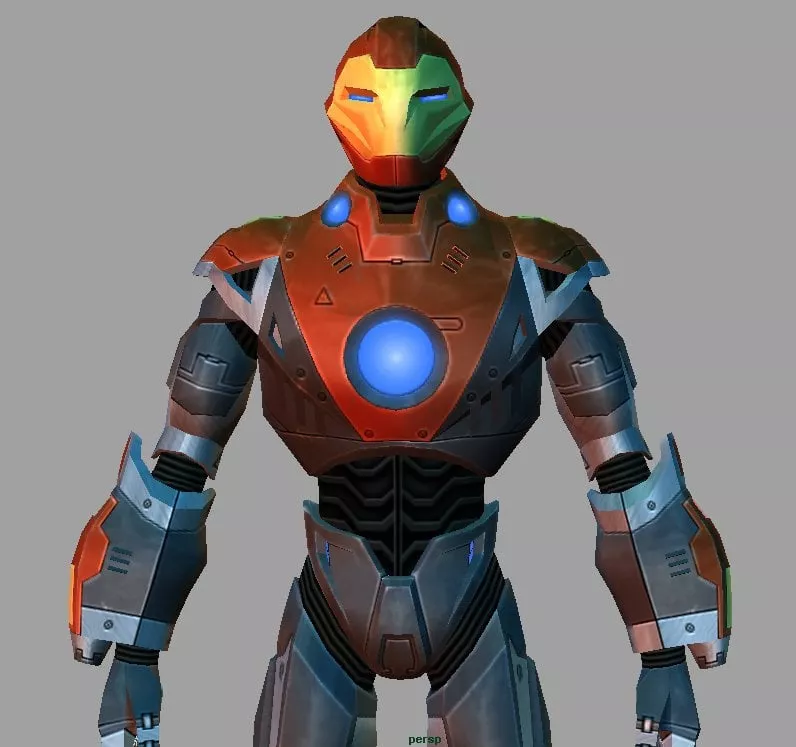
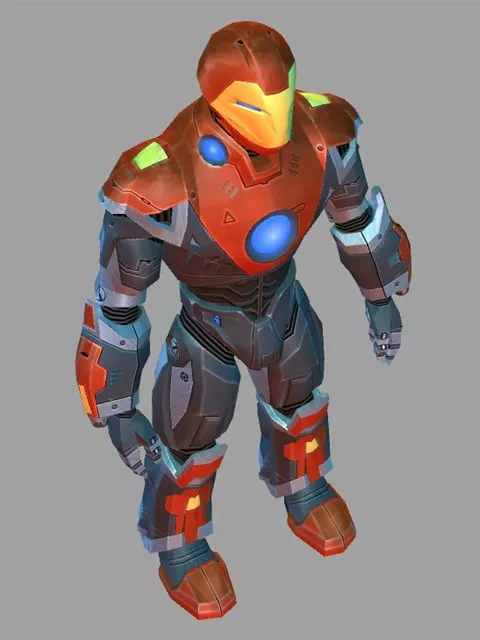
Fast forward to 2024, a significant development occurred when Kevin Edwards, a former developer from Genepool, discovered a milestone build of the game. Edwards posted screenshots and videos on social media, stirring excitement and nostalgia among the gaming community. This build, housed in an Xbox version, represented nearly the only existing version of the game, offering a glimpse into what could have been a transformative release for Iron Man in the gaming world.
The rediscovered demo showcases Iron Man attacking an underground base, flying, and combating robots—elements that could have potentially set a benchmark for superhero games at the time. Although the project was never completed, the emergence of this demo serves as a poignant reminder of the game’s potential and the often unpredictable nature of game development.
Despite the initial disappointment from the cancellation, the discovery of this lost demo provides closure for those involved and offers fans a rare look at a game that could have significantly shaped the landscape of superhero games. As Marvel continues to expand its presence in the gaming industry, the story of ‘Invincible Iron Man’ remains a fascinating chapter of what might have been in the world of video game adaptations.

You must be logged in to post a comment!
