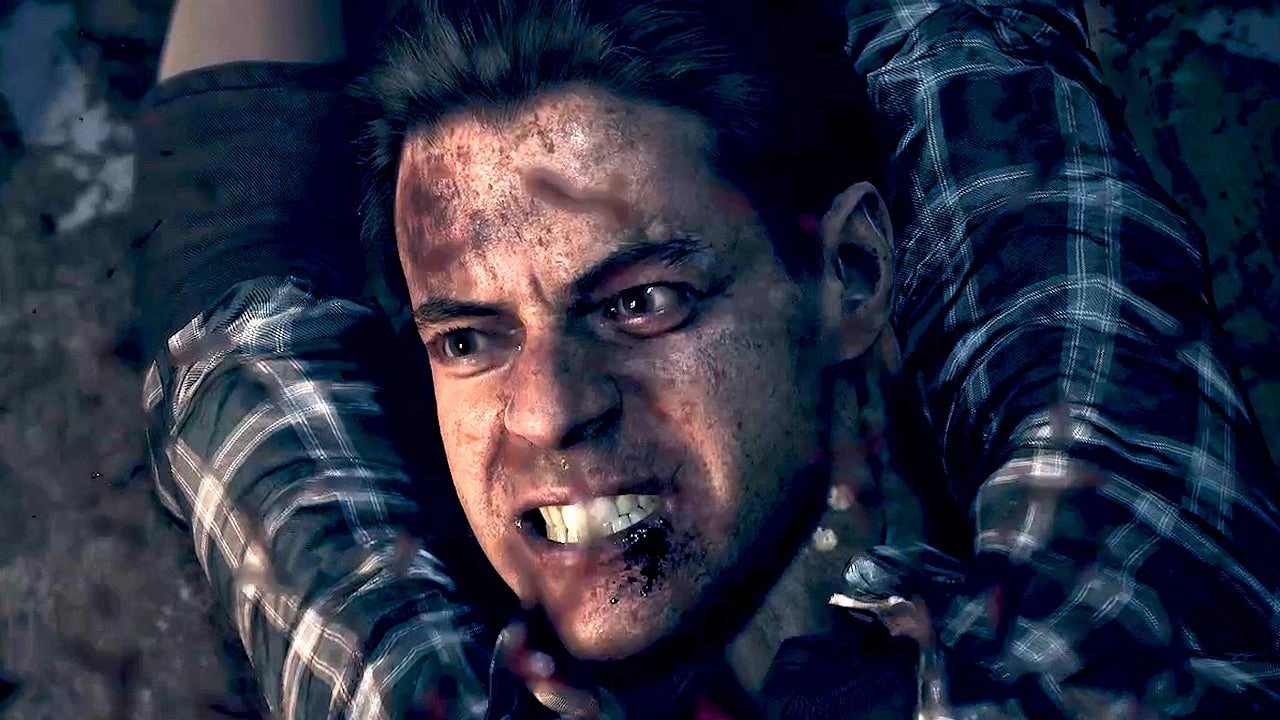
The world of video gaming is abuzz once more with the news of the PS5 version of Until Dawn, which has been set with a hefty price tag of $60 / £60 / €70. As game enthusiasts and critics alike assess the value of this remake, a series of comparisons and opinions have emerged, pointing to a broader discussion about the pricing strategies of remastered games in the gaming industry.
Until Dawn, originally released for the PlayStation 4, is a celebrated horror game that boasts a gripping narrative and immersive gameplay. The game allows players to control eight young adults who must survive a night of terror on the anniversary of their friends’ disappearance. The PS5 version promises to be a meticulous remake, promising to enhance the visual experience while retaining the essence of the original gameplay.
Despite these enhancements, the announcement of the price tag took many by surprise, particularly because the PS4 version can now be purchased for considerably less. It raises questions about the justification behind the pricing, especially when the remake does not offer new content but improves upon graphics and performance. This practice of pricing remakes as new games has been seen before in Sony’s strategy, as with the previous launch of The Last of Us: Part 1 remake, which was also marked at full price upon its release.
Criticism has not been scarce, with various gamers voicing their discontent across social media platforms and forums. The common thread in these discussions is the skepticism about the remake's value for money, particularly when the original game remains a cheaper and viable option. Some fans of the genre and the series question the necessity of the remake altogether, pondering whether the investment in graphics and possible performance enhancements can substantiate the high cost.
However, it is important to note the technical limitations encountered when playing the original version on the PlayStation 5 through backwards compatibility. While it runs at a resolution of 1080p, the original PS4 game does not fully leverage the more powerful hardware of the PS5, with some frame rate issues when attempting to reach 60 frames per second. This provides some context for the rationale behind a full remake, aiming to offer a smoother and more visually updated gameplay experience that fully utilizes the technological capabilities of newer console hardware.
Despite the divided opinions, the announcement has undoubtedly sparked a vibrant dialogue among gaming communities about what constitutes fair value in the realm of video game remakes. The discussion also extends to broader industry practices involving game pricing, consumer expectations, and the balancing act between preserving beloved gaming experiences and offering technological upgrades.
As gamers and critics continue to debate the merits and demerits of the Until Dawn remake's pricing strategy, what remains clear is the ongoing challenge for game developers and publishers in striking a balance between innovation, nostalgia, and financial expectations. Whether this remake will prove to be a financial success or a misstep will largely depend on the reception of the gaming community upon its release.
This pricing strategy illustrates the complex dynamics of the video game market, where the valuation of content, nostalgia, and technological advancement continuously intersect and influence consumer purchasing decisions. The unfolding discussions surrounding Until Dawn's remake will likely serve as a significant case study in pricing economics for remastered video games in the years to come.

You must be logged in to post a comment!
