In the ever-evolving world of video games, one thing frustratingly remains the same: the persistent stereotype of gamers as socially inept individuals who need to "get out more." Despite the booming size of the gaming industry and its undeniable impact on mainstream culture, these outmoded ideas still cling to life in the narratives of some media outlets.
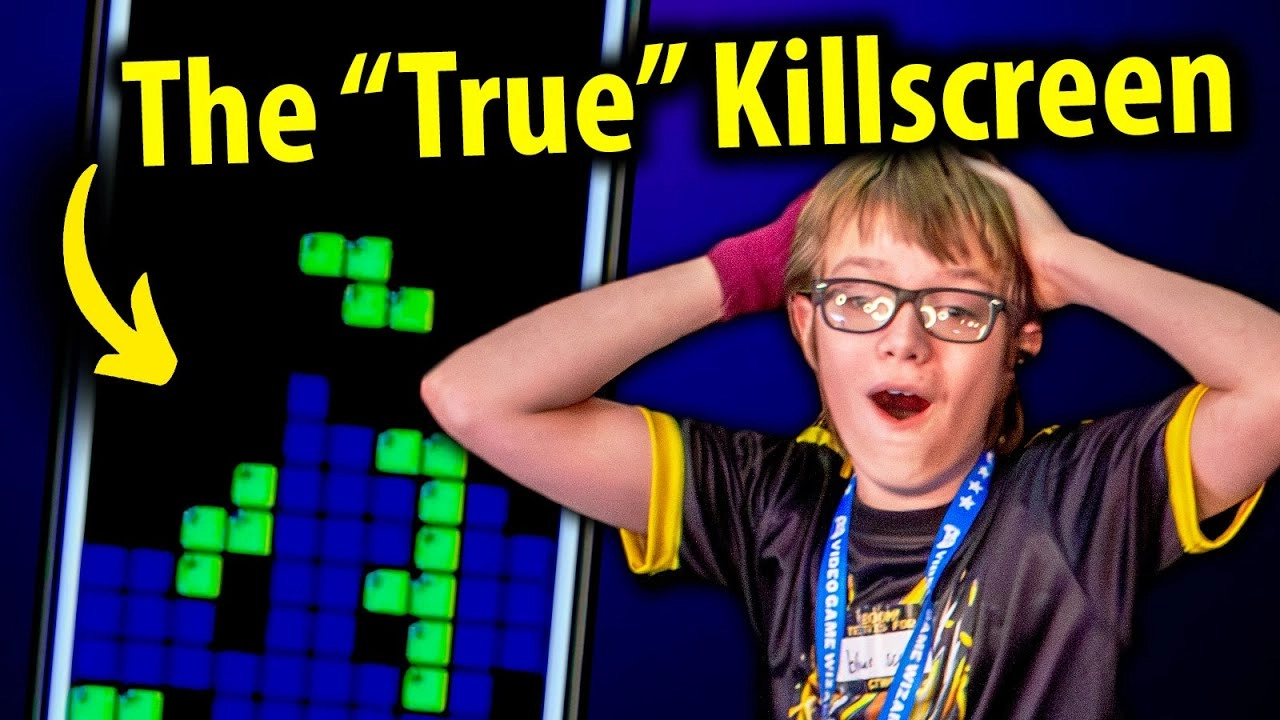
This backwards perception was most recently evidenced by a piece on Sky News, where famed presenter Jayne Secker commented on the achievement of 13-year-old Willis Gibson, who became the first person to hit a kill screen in the NES version of Tetris, dismissively advising gamers to "step away from the screen, go outside, get some fresh air." An astounding feat dismissed with a quip, the event stirred a wave of criticism that brings to light a broader conversation on how gamers are viewed by the public.
Gaming has had a storied past, often beginning in the proverbially isolated bedrooms of computer enthusiasts. However, we've seen the landscape evolve dramatically over the years. With the release of social and family-oriented games like Wii Sports in 2006, a vast demographic expansion occurred, fundamentally shifting perceptions about who exactly is a gamer.
Nonetheless, stereotypes have a surprisingly strong grip on public consciousness, and despite generations of players growing up and older within the gaming community, dismissive attitudes persist. Why is it that, as a culture, we maintain these clichéd views? Part of the reason may be the imagery that gaming platforms like Twitch often display: players confined to their rooms, their primary social interactions filtered through webcam feeds and text chats. It's the quintessential struggle of image versus reality; the sensational versus the mundane.
Gaming has crossed into the realm of the mainstream and matured alongside its audience. Portrayals of elderly couples joyfully cosplaying at fan conventions and an increasing number of senior gamers are slowly changing the narrative. The idea that video games are a trivial pursuit exclusive to the young or the socially withdrawn is being challenged by the diversity and enthusiasm of gamers worldwide.
Yet despite these advancements, we're still facing a media landscape that sometimes dismisses the complexity of gaming culture. Following the Sky News segment, sentiments from the gaming community echoed dissatisfaction, pointing to a shared experience of misrepresentation. Critics argue that achievements in gaming are not recognized on the same level as those in more "acceptable" hobbies or sports. A child chess champion, for instance, would hardly be scoffed at for their dedication to the game.
Video platforms and social media have played significant roles in both perpetuating stereotypes and breaking them down. Through these mediums, stories of gamers who connect with one another, engage in charitable work, and simply enjoy a hobby like any other come to light, defying the trope of the antisocial gamer.
The criticism aimed at Sky News certainly doesn't represent all mainstream media—many outlets celebrate gaming achievements and appreciate the skill involved. Yet, the voices that do propagate stereotypes can be loud and impactful, warranting a call for more nuanced and informed discussions about gaming and its community.
Gaming has long outgrown the confines of being a niche hobby. We've seen industry leaders expand the realm of gaming to include educational, fitness, and social experiences. The demographics of gamers are as broad as any other consumer group, encompassing a range of ages, professions, and interests. Games like "Tetris," now decades old, remain intellectually challenging and culturally important, and the accomplishments within them should be respected, not diminished.
The accomplishments of young gamers like Willis Gibson—reaching a kill screen in a classic game—should be celebrated, not met with tired, condescending advice. It's high time that we recognize the various shapes and forms the gaming community takes. Gamers might also be rock climbers, actors, or volunteers. They defy easy categorization, just as any group with a shared passion does.
Parents teach their children to play "Mario Kart," grandparents maintain daily exercise routines with "Wii Fit," and octogenarians marvel at the interactive storytelling found in modern gaming narratives. These stories reflect a reality that's significantly more inclusive and varied than stereotypes suggest.
Here's a simple yet powerful example of the community's engagement—a YouTube video showcasing gaming enthusiasm:
Ultimately, while the old-fashioned attitudes toward gaming do crop up, the collective voice of an informed, diverse, and passionate gaming community is growing louder and more influential. As time goes on and more people come to understand the nuances and benefits of gaming, perhaps these outdated stereotypes will finally be put to rest. It's up to all of us—to gamers, industry leaders, and the media alike—to push forward the idea that gaming is a vibrant, multifaceted world, ready to welcome anyone and everyone interested in picking up a controller.

You must be logged in to post a comment!
