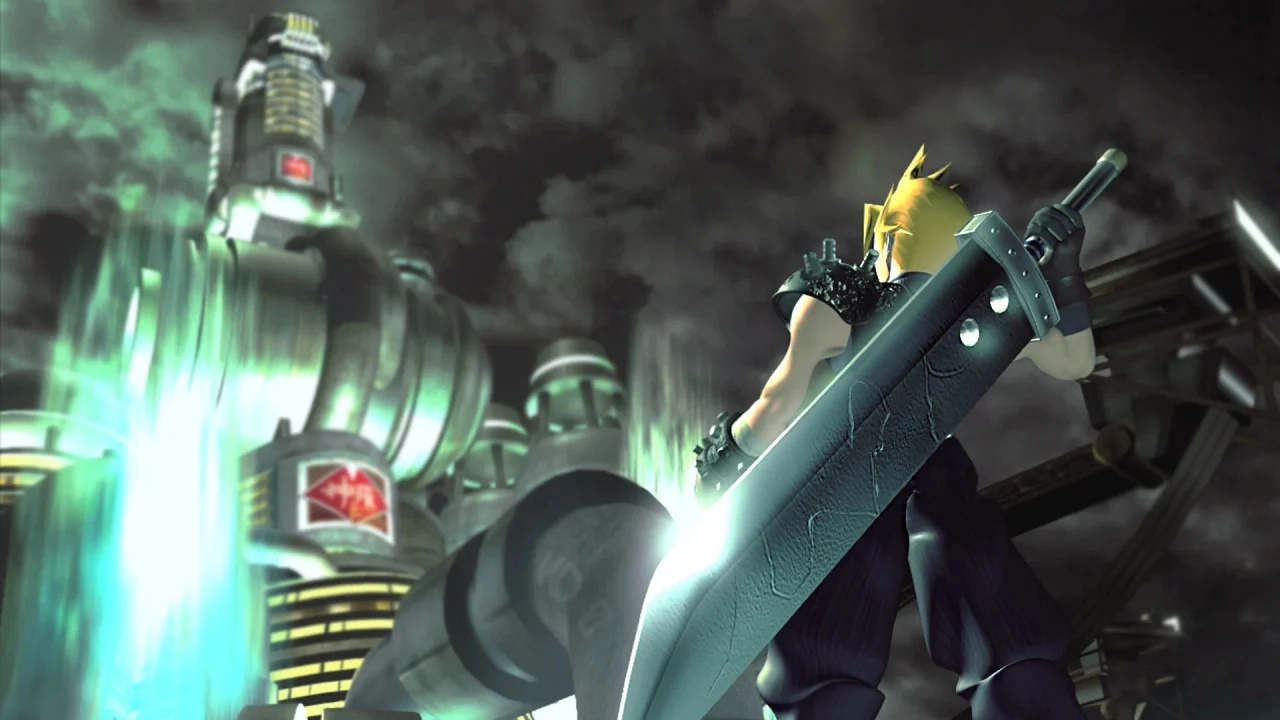
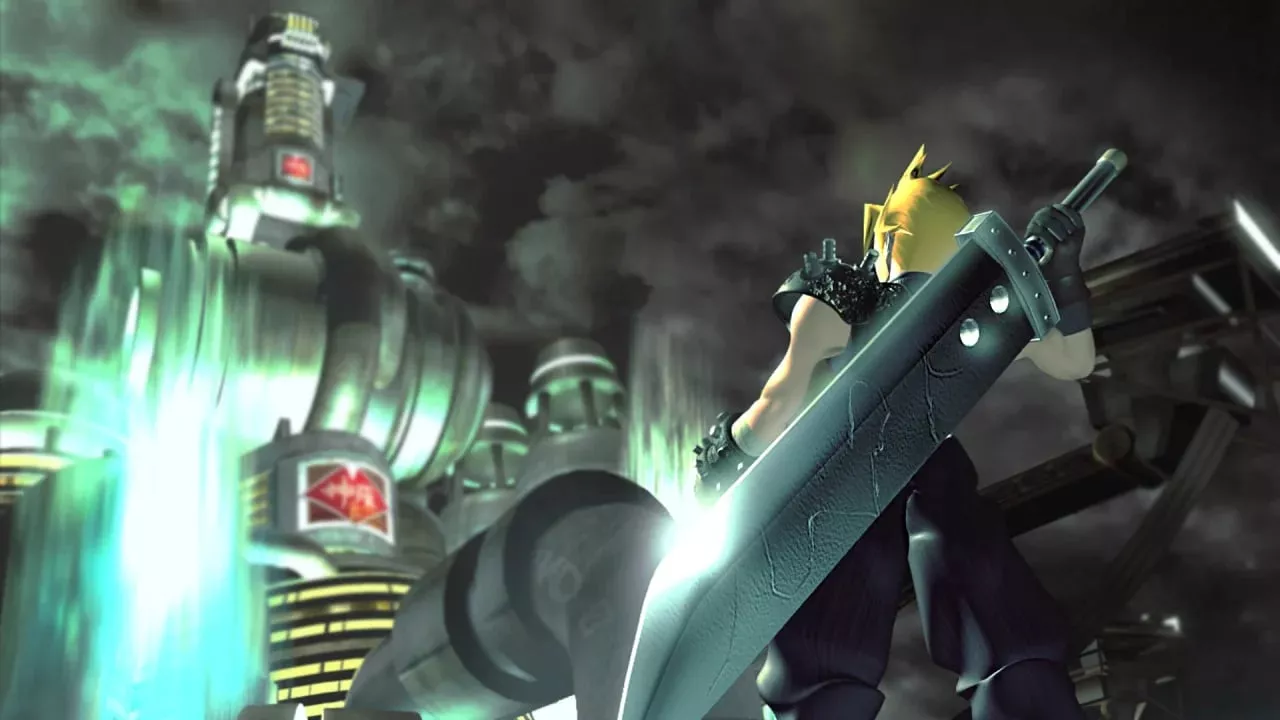
Final Fantasy VII, an epic role-playing game originally released for PlayStation in 1997, is renowned for its compelling storytelling and intricate gameplay. However, the German translation of the game received considerable criticism for its quality, which was significantly lower than its English counterpart. Over the years, the translation was deemed so problematic that it prompted fans to undertake a complete retranslation of the game.
The issues with the German version stem from what was essentially a rush job. Karin Pfetzer, one of the translators involved in this project, shared insights into the hectic process. The translation team was given strings of English text in Microsoft Word or Excel formats, which they had to translate into German without seeing how these phrases fit within the game's context. This task was challenging as the nuances and implications of the text in gameplay could significantly alter the intended meaning.
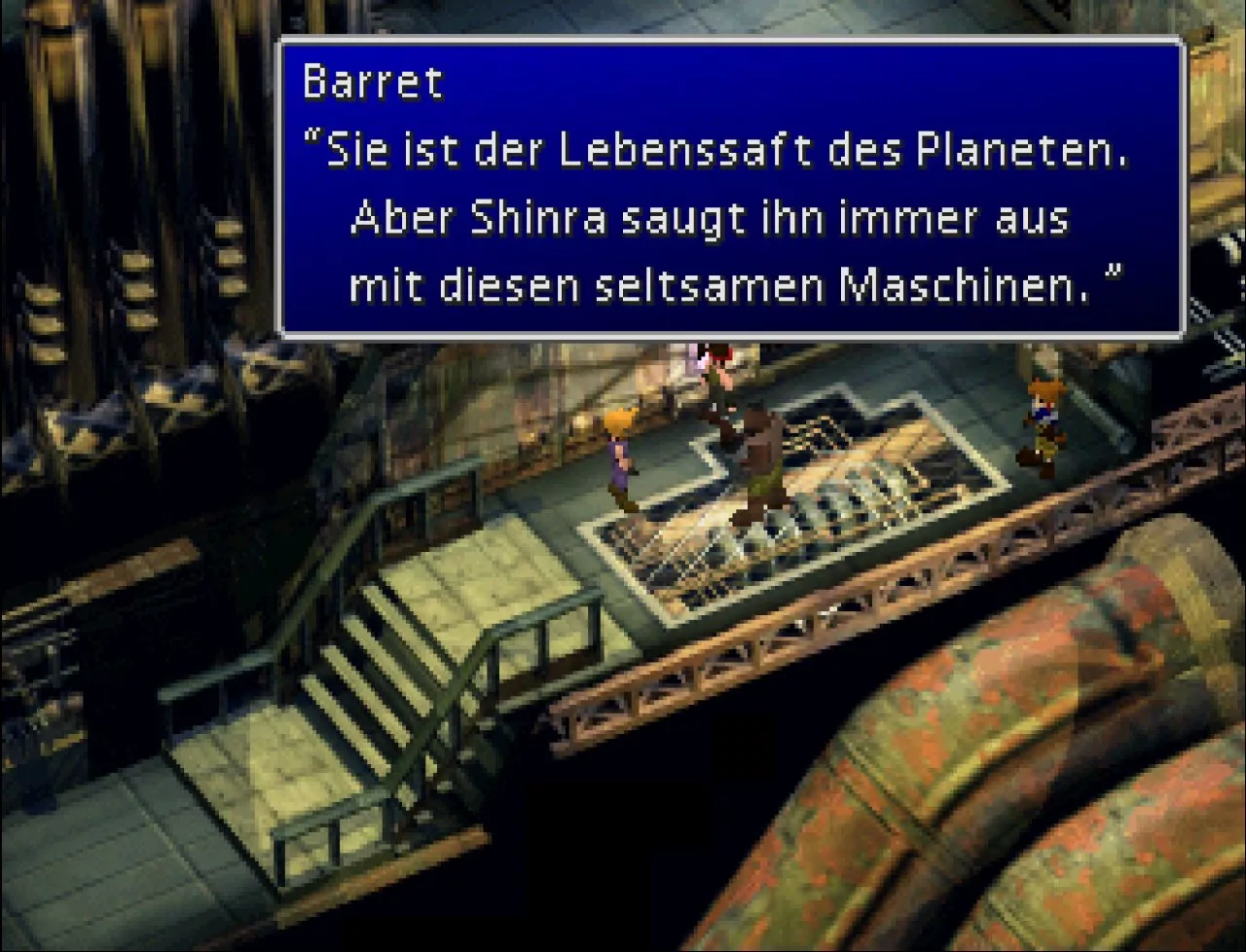
Adding to the complexity, the structure of the German language, which often features longer words than English, posed significant challenges due to on-screen text space limitations in the game. These constraints forced translators to not only translate but also adapt the text into a more concise form, occasionally leading to awkward phrasings and terms that did not align well with the game's original tone. For instance, the term “SOLDIER” was translated to “SOLDAT” and “Materia” to “Substanz”, altering the iconic terminology of the game.
The mistranslations and spelling errors were not minor. For example, the term "sewer pipe" from the Japanese version turned into “Erdflöte” (Earth Flute) in German, and the word "attack" (Angriff) was misspelled as "Angreiff". Moreover, phrases meant to convey casual or colloquial tones were translated too literally, which led to stiff and unnatural dialogue in German.
The crunch time environment in which this translation occurred did no favors. According to Martin Alltimes, a former Sony producer who led the localization efforts, the team was under significant time pressure, which inevitably compromised the quality of the translation. The urgency was heightened to the extent that Alltimes and the translation team had to take a last-minute trip to Square's (now Square Enix) offices in Japan to make on-the-fly adjustments to the game.
During this trip, they focused on finding and translating any overlooked text and adjusting translations that were too lengthy, often running up against graphical elements or being cut off due to screen limits. Despite these efforts, the volume of text and the rapid pace meant that many issues remained unaddressed in the final product.
Reflecting on the experience, Pfetzer mentioned the grueling schedule—working from early mornings to late at night—which, despite being exhausting, was also regarded as a remarkable opportunity to collaborate closely with the testing and engineering teams. This intensive work cycle highlighted the dedication of the translation team to deliver the best possible version of the game under challenging circumstances.
Since the original PlayStation release, there have been new German translations of Final Fantasy VII, such as the 1998 EIDOS PC release and recent versions for modern platforms on Steam. These subsequent versions have sought to correct some of the inaccuracies and awkward translations of the past. Yet, the original PS1 translation remains a point of interest and discussion among fans, illustrating how translation can significantly affect the reception and legacy of a video game.
The retrospective critiques and subsequent fan-driven retranslation efforts underscore the importance of accurate and context-aware localization in video gaming. They serve as a reminder of the growing pains of game development and localization during the 1990s, a time when the industry was still adapting to global audiences. Final Fantasy VII’s German translation may have been flawed, but it also paved the way for more refined localization practices in future game releases, highlighting the continuous evolution of the gaming industry.

You must be logged in to post a comment!
