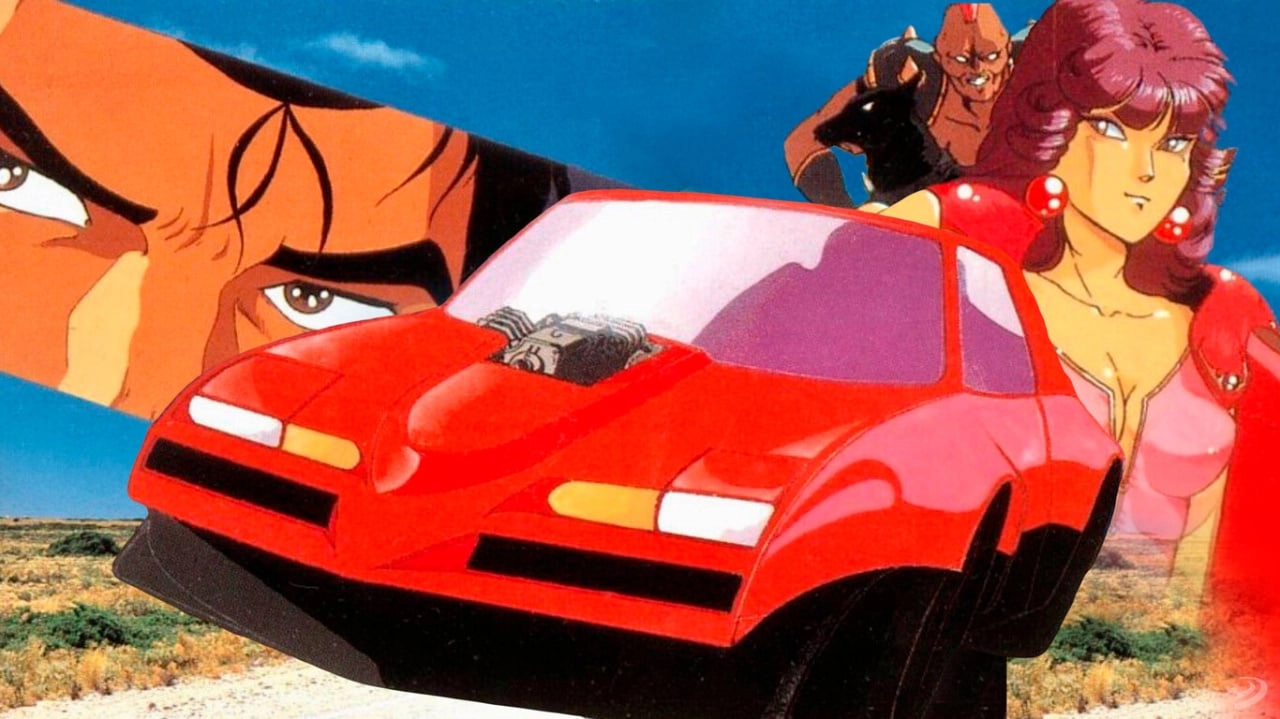
In the ever-evolving and surprising world of video game history, a rather peculiar and somewhat mysterious discovery has surfaced. Amidst the scrolling credits of the 1995 LaserActive port of Road Avenger, a game originally developed in 1985 for the arcades by Data East and featuring animation by Toei, there are names of American game journalists from the 1990s – an unexpected and quite puzzling revelation that has sparked intrigue within the gaming community.
Among the names listed are former staff of GameFan, a well-loved and once-prominent video gaming magazine. Notably, the list includes the magazine's iconic editor and founder, Dave Halverson, whose contribution to game journalism through the 90s has been substantial. The curious part, however, is that these individuals had no known involvement with the development or localization of the LaserActive port of Road Avenger, a game that employs LaserDisc technology akin to Dragon's Lair in its interactive, animated storytelling.
The discovery was first brought to light by Mollie L Patterson, herself a former GameFan staff writer, who noticed the strange credits with names that seemed oddly familiar. The find was highlighted by a member of the Game Developer Research Institute (GDRI), further stoking the flames of curiosity regarding the origin of these credits. Upon closer scrutiny, it seems that some of the names were not only unexpected but also misspelled.
Confronted with this oddity, the investigation began with the tracking down of those whose names had erroneously popped up in the credits. Reactions ranged from surprise to confusion, with at least one credited individual claiming no knowledge of why their name would appear in such a context. With no direct answer from the credited individuals, some have speculated that the game's developers might have randomly included Western-sounding names by lifting them from an issue of GameFan magazine. Whether this was an intentional Easter egg, a mistake, or a cheeky nod to these American industry players by the Japanese developers remains an enigma.
The LaserActive port of Road Avenger is just one of multiple iterations, with the game also seeing releases on platforms such as the Mega CD, Saturn, PlayStation. Each version aimed to captivate players with its intense vehicular chases and narrative-driven gameplay. As games like these often traverse from their arcade origins to various home media formats over the years, it is not uncommon for changes to occur. However, the inclusion of seemingly unrelated individuals in the game credits is a rarity that warrants further investigation.
Road Blaster, as it's also known, is a prime example of how LaserDisc technology was implemented in gaming during the 1980s, partnering the visuals of Toei Animation with interactive gameplay. Perhaps this discovery of surprising credits will further reinforce the legacy of Road Blaster and the stories that surround the game, both on-screen and in its development history.
The gaming press and preservation community hold particular interest in these oddities not just for their unusual nature, but also because they contribute to the broader narrative of game history and its documentation. As the gaming industry continues to mature, the significance of archiving and understanding the development and dissemination of games becomes ever more important. Small quirks like these names in the credits become part of a larger tapestry that showcases the intersection of cultures, industries, and individual stories within the global context of gaming.
Researchers and enthusiasts in the gaming community remain eager to unearth the reasoning behind these appearances in the credits, hoping to add another piece to the puzzling and fascinating puzzle that is video game history. If and when a clear explanation arises for this remarkable discovery, it will not only solve a mystery but also illustrate the unexpected connections and tales woven through the fabric of the gaming realm.

You must be logged in to post a comment!
