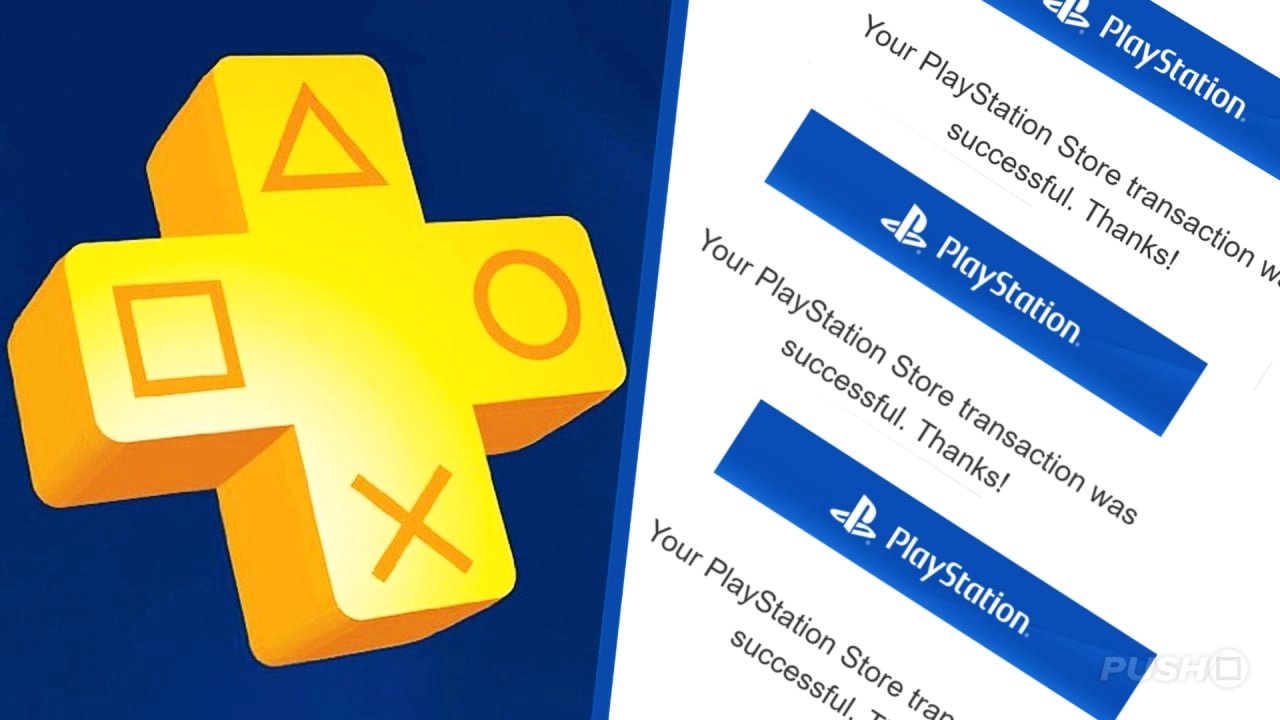
PlayStation Plus subscribers were in for a surprising and not-so-pleasant nostalgia recently as the previous practice of receiving individual email receipts for every game downloaded from the PlayStation Store made an unannounced return. This resurgence of the issue comes after Sony had seemingly put an end to it last year, much to the relief of its user base.
The problem came to light once again after updates to August's PS Plus Essential games were pushed through and subscribers began noticing multiple "Thank You For Your Purchase" emails in their inboxes. For many, the initial shock and confusion led to a brief moment of panic, mistaking these emails for indications of unauthorized purchases or a compromised account. Yet, this is not a matter of security breach but rather, it appears to be a system glitch or policy reversal by Sony.
When Sony initially stopped sending these emails, it was viewed as a move towards streamlining the user experience and reducing unnecessary clutter in users' notification feeds. Before this policy adjustment, users received a separate email for each title claimed via the PlayStation Store, which could easily become overwhelming, especially during months with multiple games on offer or during special promotions.
The return of these individual acknowledgment emails raises several questions regarding Sony's intentions or system accuracy. While on the surface it seems trivial, the frequency of such emails can quickly become a nuisance, adding to the digital clutter in one’s daily life—a minor yet pervasive annoyance that speaks to the broader challenges of managing digital communications in our increasingly online lives.
One possible explanation could be a rollback in the system due to a bug or unintended consequence of a recent software update, which has not been uncommon in the digital product arena. Alternatively, Sony might have reactivated this feature without anticipating the user response, presuming that some might actually prefer individual confirmations for their records. However, based on the general reaction from the community, this was a misguided assumption if so.
This issue, while small, does raise broader implications about user preferences and the necessity of corporate transparency in operational changes, especially in services used by millions worldwide. Users have expressed their dissatisfaction on various forums and social media channels, urging Sony to revert this change and eliminate the tedious influx of emails once more.
Community discussions around this topic also highlight an interesting aspect of user experience: the balance between adequate notification and over-notification. From a consumer rights standpoint, it's essential for users to have clear records of their transactions, yet there's a strong call for efficiency and minimalism in how these records are delivered and stored.
Looking forward, Sony might need to consider these reactions and perhaps look into more streamlined ways to consolidate such communications. Innovative solutions could include customizable notification preferences in the PlayStation user settings, allowing users to choose how they receive their transaction notifications—whether individually, as a daily digest, or through an in-app notification system that doesn’t clutter their email inboxes.
This incident also underscores the need for ongoing dialogue between service providers like Sony and their user communities. Engaging subscribers in decisions regarding service changes could not only prevent such frustrations but also enhance user satisfaction and loyalty by making them feel heard and valued.
As this issue continues to unfold, it will be interesting to see how Sony responds to the feedback and whether this will lead to a permanent change in their communication strategy. In the digital age, where consumer preferences can shift as quickly as software updates, flexibility and responsiveness are key to maintaining customer satisfaction and ensuring a seamless user experience.

You must be logged in to post a comment!
