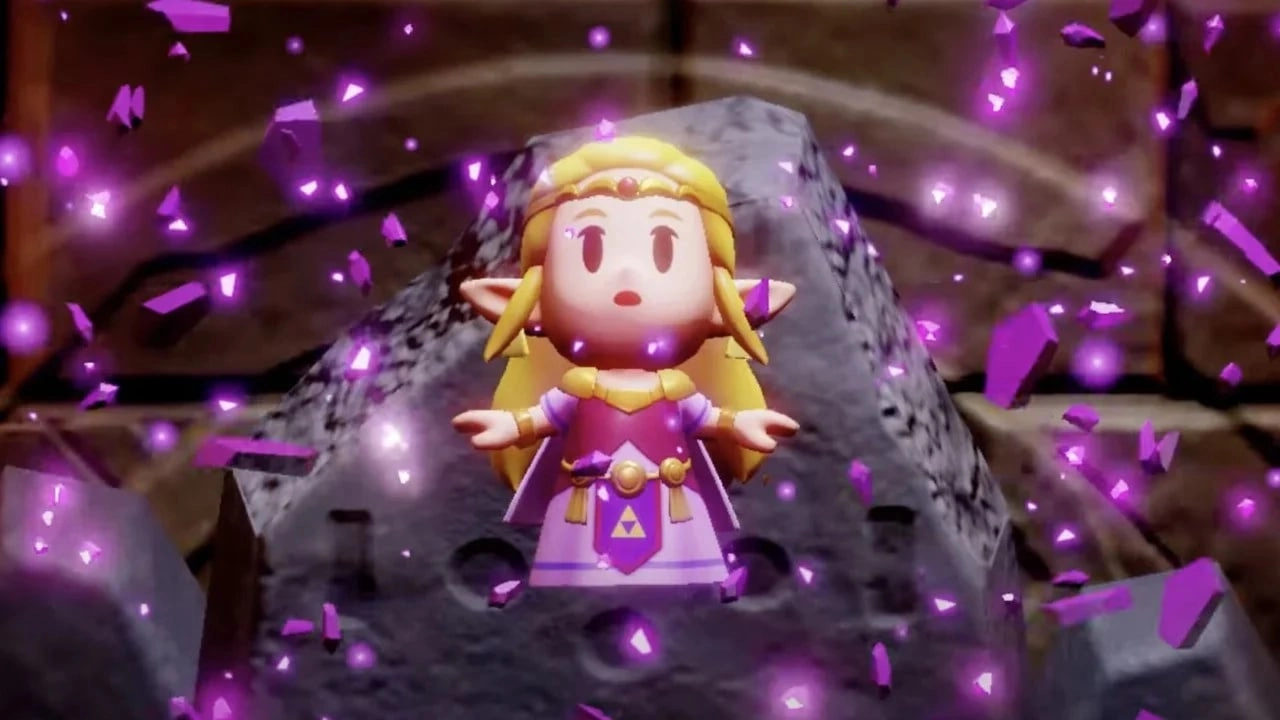
The Legend of Zelda series is renowned for its engaging stories, immersive worlds, and innovative gameplay. However, the latest installment, Zelda: Echoes of Wisdom, has stirred quite a bit of discussion among its fanbase, particularly regarding its menu system and frame rate performance. Recently, key developers from the production team shared insights with the BBC on the thought processes behind these features, attempting to address the critiques and shed some light on their decisions.
Zelda: Echoes of Wisdom introduces a unique, singular line of summon options within its menu system, a choice that deviates markedly from previous entries in the series. Satoshi Terada, co-director and chief at Grezzo, explained that this design was intentional. The aim was to encourage players to "fall upon" Echoes—various abilities and aids— that they might have overlooked, thereby inspiring players to think about and utilize their Echoes in diverse situations. The hope was that while players scrolled through their available options, they would discover new strategies for using what they had at their disposal.
This explanation suggests that the developers wanted to add a layer of strategic discovery to the game’s interface, making the act of navigation through the menu itself a part of the challenge and experience. Terada’s perspective indicates an attempt to blend game mechanics seamlessly with the game’s narrative and functional flow, urging players to engage more deeply with what the game offers.
The menu’s design wasn’t the only aspect under scrutiny; the game’s frame rate variability also raised concerns among players. Tomomi Sano, another co-director of the game, addressed this by stating that the chosen variable frame rate was deemed the "best option" available during development. This brief justification points to possible technical constraints or aesthetic choices made in balancing the game’s performance with its visual and interactive complexity.
Beyond the mechanics, the discussion also touched upon narrative elements, such as the decision to reveal Zelda as the hero—a significant shift in storytelling perspective for the series. The developers shared that they were initially nervous about this reveal, understanding its potential to surprise or even unsettle long-time fans. Watching how players reacted to these elements through playthrough videos was both enlightening and nerve-wracking for the team, as they gauged real-time reactions to their creative decisions.
Looking ahead, the developers expressed excitement about the future of Zelda games. The conversation hinted at further innovations and possibly even maintaining or evolving the top-down structure that has become characteristic of certain Zelda titles. Such insights not only help in understanding the current game better but also tease what might be on the horizon for this beloved franchise.
From both a development and a player perspective, understanding the intricate details and intentions behind game design choices is crucial. It can transform frustration into appreciation or at least provide a broader context that enriches the overall gaming experience. Zelda: Echoes of Wisdom, with its bold choices, continues to spark dialogue and curiosity—a testament to its dynamic role within the evolving landscape of video games.
As fans and players discuss and dissect these insights, the unfolding conversations will likely continue to impact how games are developed and received in the future. The developers’ candidness in discussing their choices provides a valuable peek behind the curtain of game design, ensuring that the legend of Zelda continues not just through its stories and gameplay but through engaging exchanges about its very creation.

You must be logged in to post a comment!
