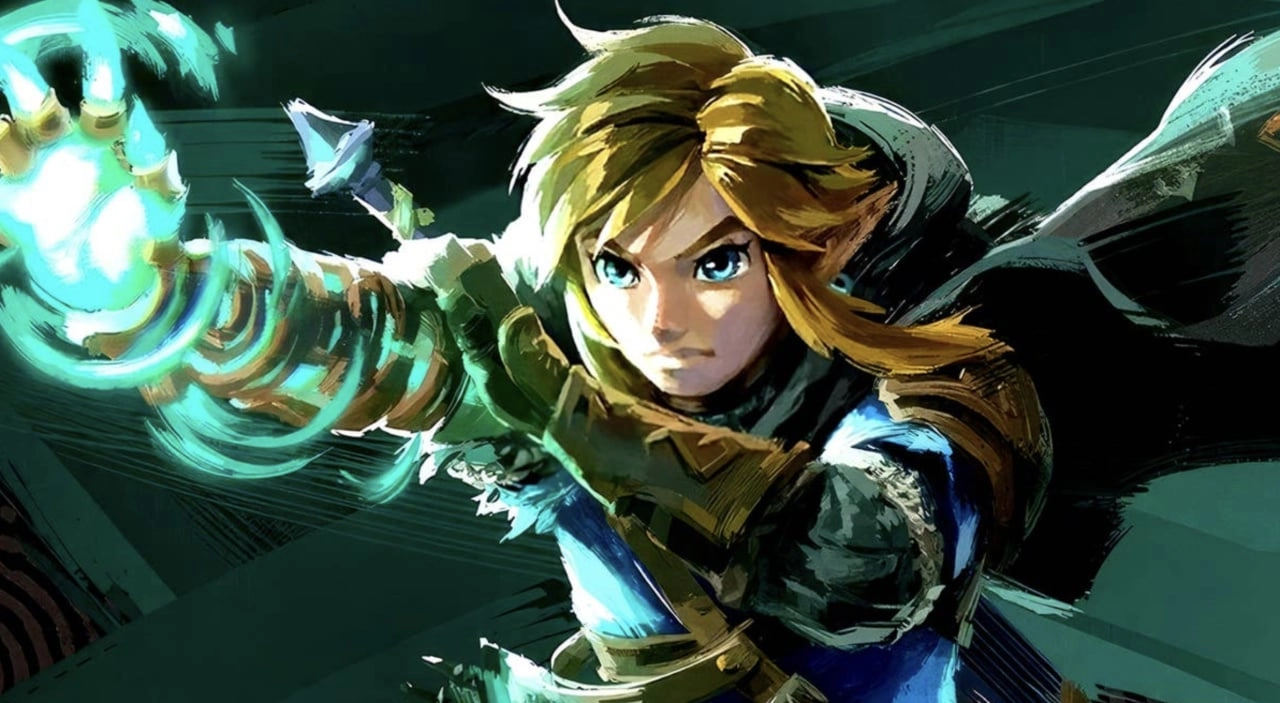
Nintendo has consistently been a pioneer in the gaming industry, often leading the way with innovative titles and gameplay experiences that have come to define entire genres. So, when the concept of a 'Zelda Maker' game—akin to the successful 'Super Mario Maker'—surfaces, it's natural to wonder why the esteemed creator wouldn't jump at the possibility. However, Nintendo takes a carefully considered approach to their franchises, and especially to the beloved Legend of Zelda series.
Series producer Eiji Aonuma has spoken about this, expressing a philosophy that seems to resonate throughout Nintendo's design values. The Legend of Zelda series, with its most recent instalments like "Tears of the Kingdom," is known for its captivating worlds and the freedom it affords players. The games encourage exploration and problem-solving in a way that feels organic rather than prescriptive. While creative play is a significant component of the series' appeal, it is by no means a requisite. Players are welcomed into Zelda's realms to find their path, choose their battles, and solve mysteries as they see fit.
The difference between a game encouraging creativity and one that requires it as a core mechanic is substantial. In the case of 'Super Mario Maker,' players are given the tools and encouraged to design and share their levels—a concept that lies at the very heart of the game. It empowers gamers to become game designers, even if it's on a smaller scale. This model works exceptionally well for Mario, a series that fits neatly into the platforming genre where level design plays a pivotal role.
However, applying the same concept to a Zelda game isn't as straightforward. The Legend of Zelda series is a sweeping narrative enveloped in rich environments, where storytelling and atmosphere are just as crucial as gameplay mechanics. Zelda games have a cadence and flow that extends beyond the confines of individual levels or dungeons; they are designed to be experienced as cohesive wholes.
Aonuma suggests that a 'Zelda Maker' might inadvertently "force" users to interact with the game in a way that's atypical for the series. Instead of diving into a meticulously crafted world, players would be asked to consider the game from a creator's perspective. This significant shift in interaction could alienate players who come to Zelda for the story, exploration, and puzzle-solving, rather than for sandbox-style content creation.
Furthermore, during the development of "The Legend of Zelda: Link's Awakening" for the Switch, the inclusion of a dungeon design feature known as the Chamber Dungeon was as close as Nintendo has gotten to a 'Zelda Maker.' The feature was added after a request from Shigeru Miyamoto for 'Mario Maker'-like gameplay. While intriguing, the Chamber Dungeon was not the central focus of the game but rather an additional feature, subtly reinforcing the fact that Zelda games are not primarily about level creation.
Interestingly, there have been independent efforts to fill this niche, with games like 'Super Dungeon Maker' attempting to capture that 'Mario Maker' magic in a Zelda-like context. These indie creations offer a glimpse into what a 'Zelda Maker' could look like and provide an outlet for those yearning for a more construction-oriented experience within a Zelda-esque universe.
The reception of these unsanctioned endeavors and the continued discourse on the possibility of a 'Zelda Maker' highlight a fascinating aspect of gaming culture. It shows that within the broad spectrum of gamers, there's a subset that relishes the ability to not just play games but to shape them. However, Nintendo's current stance suggests a deep understanding of their games' core identity and their players' expectations.
Nintendo's priority seems to lie in preserving the essence of the Zelda experience—immersing players in a world ripe for discovery rather than challenging them to build those worlds themselves. For now, the Legend of Zelda series remains a testament to Nintendo's dedication toward guided yet flexible gameplay experiences, ones that evoke a sense of wonder without demanding personal creation.
While this may disappoint some fans dreaming of a 'Zelda Maker,' it also reassures those who cherish the series for what it has always been: a canvas for imaginative adventure, painted not by the players' hand, but by the deft strokes of Nintendo's own visionaries. Whether Nintendo's perspective will shift in the future is uncertain, but what remains clear is their commitment to the beloved Zelda universe and its unique way of inspiring creativity within its existing framework.

You must be logged in to post a comment!
