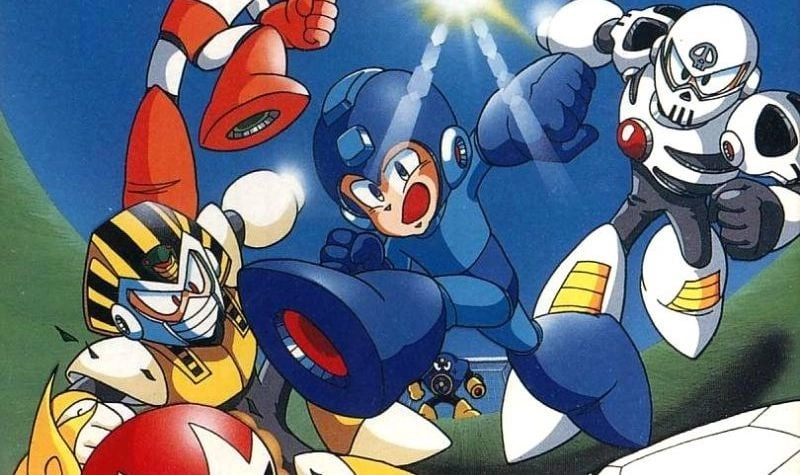
In the realm of vintage video gaming, discoveries of early builds and prototypes often shed light on what could have been. This is precisely the scenario with the classic Super Nintendo Entertainment System (SNES) game Mega Man Soccer, which recently had an early prototype version unearthed, providing fascinating insights into the game's original design intentions.
Mega Man Soccer, known as Rockman Soccer in Japan, is a rather unique entry into the storied Mega Man franchise. Instead of battling robots in platforming stages, the game transported Mega Man into the world of soccer, allowing players to form teams of characters from the series, each with its special moves. Developed by Sun L and published by Capcom, the game was released in 1994 and was something of an anomaly among sports and action titles of the era.
Capcom's game stood out not just for its unusual genre crossover but also for the way it brought together characters from a series renowned for action-packed platforming and translated their abilities into a sport setting. Players could choose from a roster that included Mega Man, Proto Man, Dr. Wily, and various Robot Masters, with each character bringing unique strengths to the soccer pitch.
Typically, sports games on the SNES allowed for multiplayer modes, and it was assumed that Mega Man Soccer followed suit with a maximum of two players. However, the revelation of the sample build revealed that Capcom had initially designed the game with multitap support. This support would have enabled up to four players to join in on the fun simultaneously, creating a much more social gaming experience.
Beyond multiplayer capabilities, the uncovered prototype showcased other variations from the game that fans came to know. One significant difference was that the duration of matches could be set to a lengthy 60 minutes, a stark contrast to the final version's 10-minute cap. This setting suggests that initial plans for Mega Man Soccer aspired for a level of endurance and depth akin to an actual soccer match.
Another noteworthy feature discovered in this prototype was the naming of the 'Capcom Championship' mode as 'Capcom World Cup' mode. It's presumed that this name was ultimately changed due to licensing issues, as the rights to the 'World Cup' name were held by another publisher at the time.
Allowing gamers insights like these into the development process is a rare treat, especially for a game that's nearly three decades old. While some could argue that the final product might have benefited from these scrapped features, others will appreciate understanding the kinds of constraints and decisions that game developers must navigate during the production of a game.
The Cutting Room Floor, a website devoted to unearthing and documenting such gaming treasures, was the first to report this prototype. Contributed by an individual named C. Davis, the build has sparked considerable interest in the gaming community, leading to discussions about the history of game development and how some features, regardless of their appeal, may not make it to the final release due to various factors.
This kind of revelation helps to preserve the history of the gaming industry and can often reignite interest in classic titles. The decision to ultimately remove multitap support and reduce match times might have been influenced by limitations at the time, such as hardware constraints or market research indicating a preference for shorter multiplayer experiences.
Retrospectively analyzing these variations not only satisfies a curiosity for gaming enthusiasts but also serves an educational purpose, showing how game design has evolved over time. Considering the technical limitations of the time and the continuing evolution of gaming, the insights provided by early builds like the one discovered for Mega Man Soccer forms a rich historical context for analyzing past and present game features.
The rediscovery of the prototype has spurred memories and discussions amongst fans, many of whom have speculated on how these changes might have impacted the game's legacy and their own experiences with it. While it's uncertain whether the knowledge of these features would have altered the title’s reception had they been included, what is clear is how such discoveries underscore the dynamic and often unseen journey that games undergo before they reach players' consoles.

You must be logged in to post a comment!
