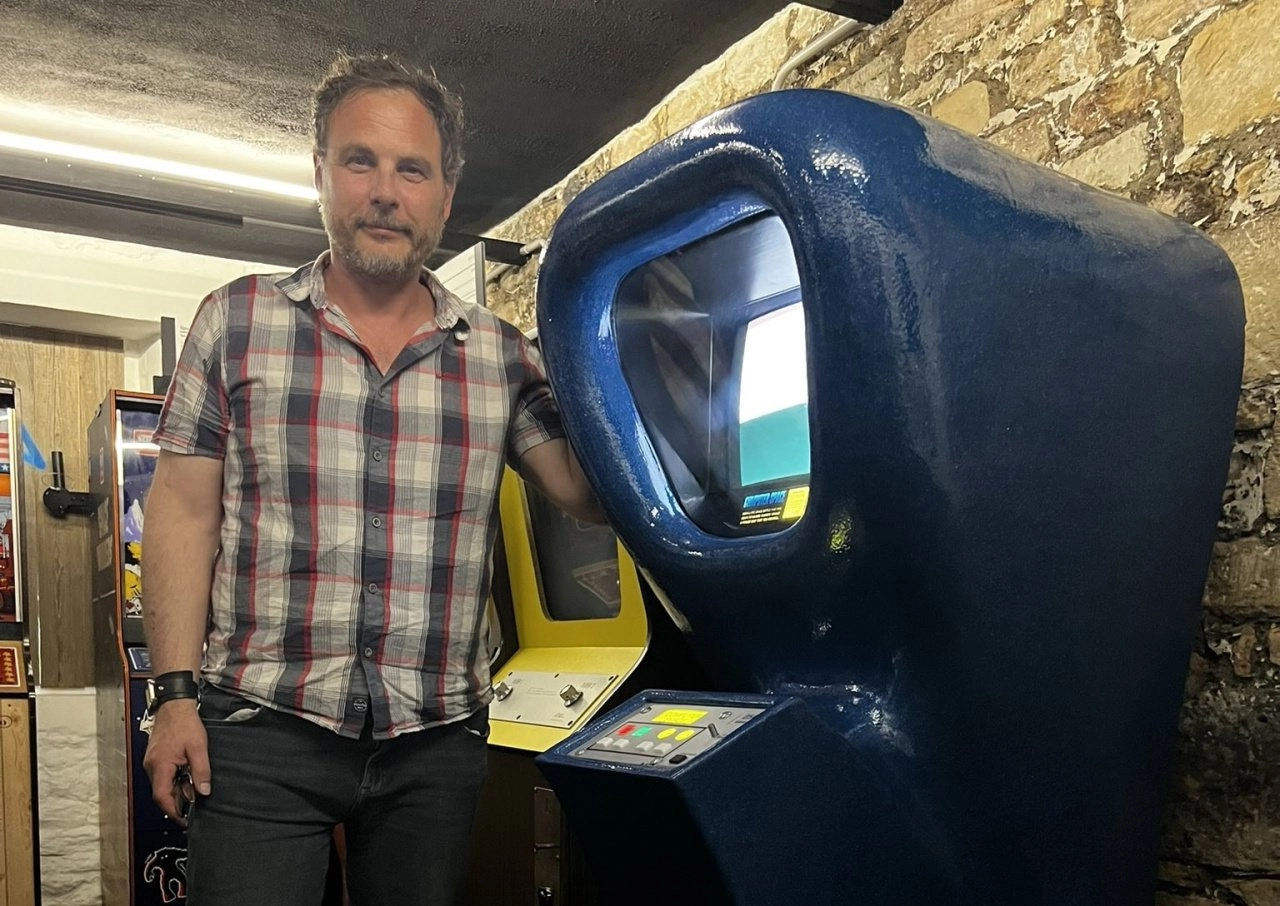
In a fascinating blend of historical preservation and modern technology, the Arcade Museum in Stroud, United Kingdom, has managed to breathe new life into a pivotal piece of video game history. The museum, dedicated to preserving and showcasing the evolution of the video gaming industry, has successfully created a 3D-printed, fully operational replica of the world's first commercial arcade machine, Computer Space.
Originally launched in 1971, Computer Space has a special significance in the annals of video gaming. It was the first arcade game ever to be released to the public, marking the beginning of what would eventually become a multibillion-dollar industry. The game was developed by Nolan Bushnell and Ted Dabney, who would go on to found Atari, a company that played an essential role in shaping the modern video game landscape. Despite its groundbreaking nature, Computer Space was not a commercial success upon its initial release. Its gameplay, inspired by the 1962 game Spacewar!, was deemed too complex, and its controls were unconventional, making it difficult for the average person to enjoy. Due to these factors, only a limited number of units were produced, making original machines extremely rare and highly valuable today. In fact, an original Computer Space cabinet can fetch as much as £55,000.
Realizing the importance of this game and its scarcity, the Arcade Museum decided to take an innovative approach to preservation by building a replica. Collaborating with Heber, a company specializing in 3D printing, the museum used photographs of the original machine as references. The replica was printed in sections, which were then meticulously assembled. The gaps were filled, and a coat of resin was applied to give it the look and feel of the original. Additionally, a CRT screen was installed, and internal electronics were supplied by Heber to ensure that the game is not only a visual replica but also fully playable.
This project reflects a broader trend in museum practices where replicas are created to allow visitors to interact with historical artifacts without risking damage to the original items. Neil Thomas, the curator of the Arcade Museum, compared the project to displaying plaster casts of dinosaur bones in natural history museums. Indeed, just like a cast allows visitors to appreciate and learn about dinosaurs, this 3D-printed Computer Space unit offers people a chance to directly engage with a crucial moment in video gaming history.
At the museum, visitors can experience playing Computer Space, giving them a sense of the frustrations and challenges early gamers would have faced. The replica is also coin-operated, adding an additional layer of authenticity to the experience. This approach by the Arcade Museum serves multiple purposes: it preserves the historical significance of Computer Space, makes it accessible to a broader audience, and stimulates discussion about the evolution of video games and their impact on culture.
The creation of this replica is not simply about celebrating gaming’s past; it is about making history tangible and accessible to new generations. It allows today's gamers and historians alike to connect with a past era of technology and understand the leaps we have made since then. Moreover, during an age when digital technology continues to evolve at a rapid pace, projects like the Computer Space replica play an essential role in educating the public about the roots of this vibrant industry.
By visiting the Arcade Museum, enthusiasts have the unique opportunity to step back in time and experience firsthand the humble beginnings of what has become a dominant form of entertainment across the globe. Through initiatives like the 3D-printed Computer Space, the museum not only commemorates the past but also inspires future generations to innovate and push the boundaries of what is possible in video gaming.

You must be logged in to post a comment!
