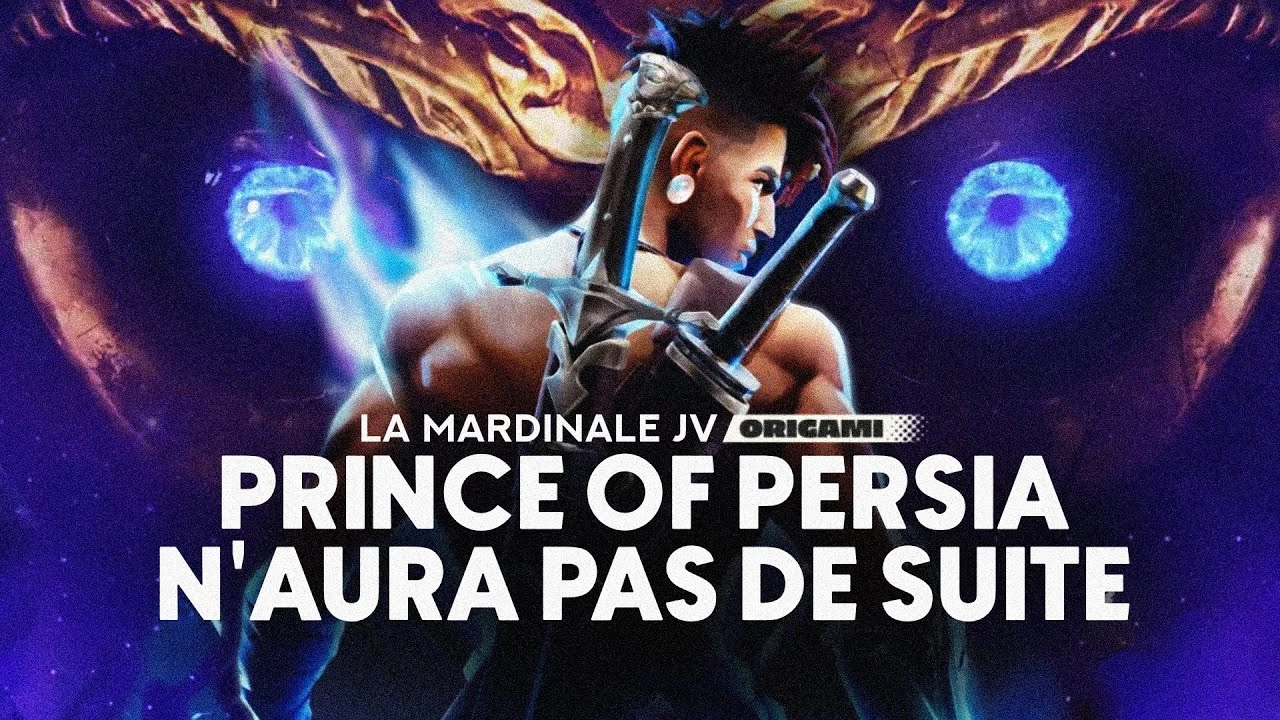
The gaming industry often presents a harsh reality where even critically acclaimed games can falter financially, leading to significant consequences for the teams involved. Such is the case with Ubisoft's latest endeavor, "Prince of Persia: The Lost Crown." Released in early 2024, the game was a side-scrolling Metroidvania that received universal praise from critics. However, it seems that this acclaim did not translate into financial success.
A recent report highlights that Ubisoft Montpellier, the creative force behind "Prince of Persia: The Lost Crown," has been disbanded. The revelations about the disbandment come from French journalist Gautoz. Speaking on the YouTube channel ORIGAMI, Gautoz explained that the team responsible for the game no longer exists. This decision was driven by the game's poor sales performance, which did not meet Ubisoft's expectations.
Furthermore, the Montpellier team's proposal for a sequel to "The Lost Crown" was rejected by Ubisoft's higher-ups. This rejection also extended to any additional downloadable content (DLC) that the team had planned for the game. This news must have come as a disappointment to the team members, who, according to Gautoz, considered the project the "best production of their lives." He noted that the development of "The Lost Crown" was seen not only as a creative opportunity but also as a "rehabilitation zone" for employees who were burnt out from previous projects like "Beyond Good & Evil 2."
The disbandment of the team marks a significant shift in how Ubisoft is likely assessing its portfolio and strategic direction. The company's decision to cancel further developments, including a potential sequel, signals a move toward more stringent financial metrics for continuing projects. This might mean that despite a game's critical success, its financial performance will play a bigger role in determining its future.
Undoubtedly, this event raises broader questions about the sustainability and pressures of game development. It underscores the precarious balance studios must maintain between creative expression and commercial viability. For fans of "Prince of Persia: The Lost Crown," this news is particularly disheartening, signaling an abrupt end to a title that had revived interest in a beloved franchise.
The situation at Ubisoft Montpellier serves as a somber reminder of the volatility within the gaming industry, where teams can be assembled and disbanded based on shifting corporate strategies and market dynamics. It also highlights the challenges faced by creative teams in delivering projects that must satisfy both critical and commercial targets.
