Trails through Daybreak marks a significant evolution for Falcom's renowned Trails series, bringing fans a fresh narrative and gameplay experience that stands out from its predecessors. Set in the Republic of Calvard, a land experiencing a technological boom thanks to reparations from a previous war, the game introduces players to a new world that is noticeably more advanced than those of earlier titles. Calvard dazzles with its futuristic appeal, from widespread use of supercomputers and robots to a dynamic sports and entertainment industry.
The story of Daybreak centers around Van Arkride, a 24-year-old spriggan operating in Calvard’s capital. Unlike the traditionally noble protagonists of previous entries, Van's pragmatic and sometimes morally ambiguous nature adds a new layer of depth to the character dynamics. His profession leads him to accept jobs that blur moral lines, setting the stage for a narrative that explores themes of maturity and complexity not as prevalent in earlier series installments.
Falcom introduces a cast of vivid new characters alongside some familiar faces from past games, maintaining its reputation for strong character development and effective storytelling. The interaction between characters is a key strength of the game, facilitated by an expansive script that meticulously develops the game’s world and narrative across a campaign lasting around 100 hours. However, the extensive dialogue can occasionally slow down the pace, demanding patience from players to fully appreciate the depth of its storytelling.
From a technical standpoint, Trails through Dayabout showcases notable improvements in its gaming mechanics. The combat system, for instance, has been significantly overhauled. It features a new action phase that allows players to attack or stun enemies before transitioning into the traditional turn-based combat. This addition enriches the strategic possibilities and dynamics of combat, making encounters more engaging and varied.
Moreover, the flexibility in movement and positioning during battles, alongside the enhanced tactical options available for each character, demonstrates an evolution in gameplay that incentivizes strategic planning and adaptability. Despite these innovations, the fundamentals that have defined the Trails series remain intact, offering a mix of new and familiar gameplay elements that will satisfy long-term fans and appeal to new players.
The game's visual presentation has also seen improvements. While it does not represent a revolutionary leap in graphical fidelity, the improvements are quite appealing within the context of the developer's resources. Character models, in particular, have seen a significant upgrade, though this does highlight some inconsistencies with less detailed NPC models.
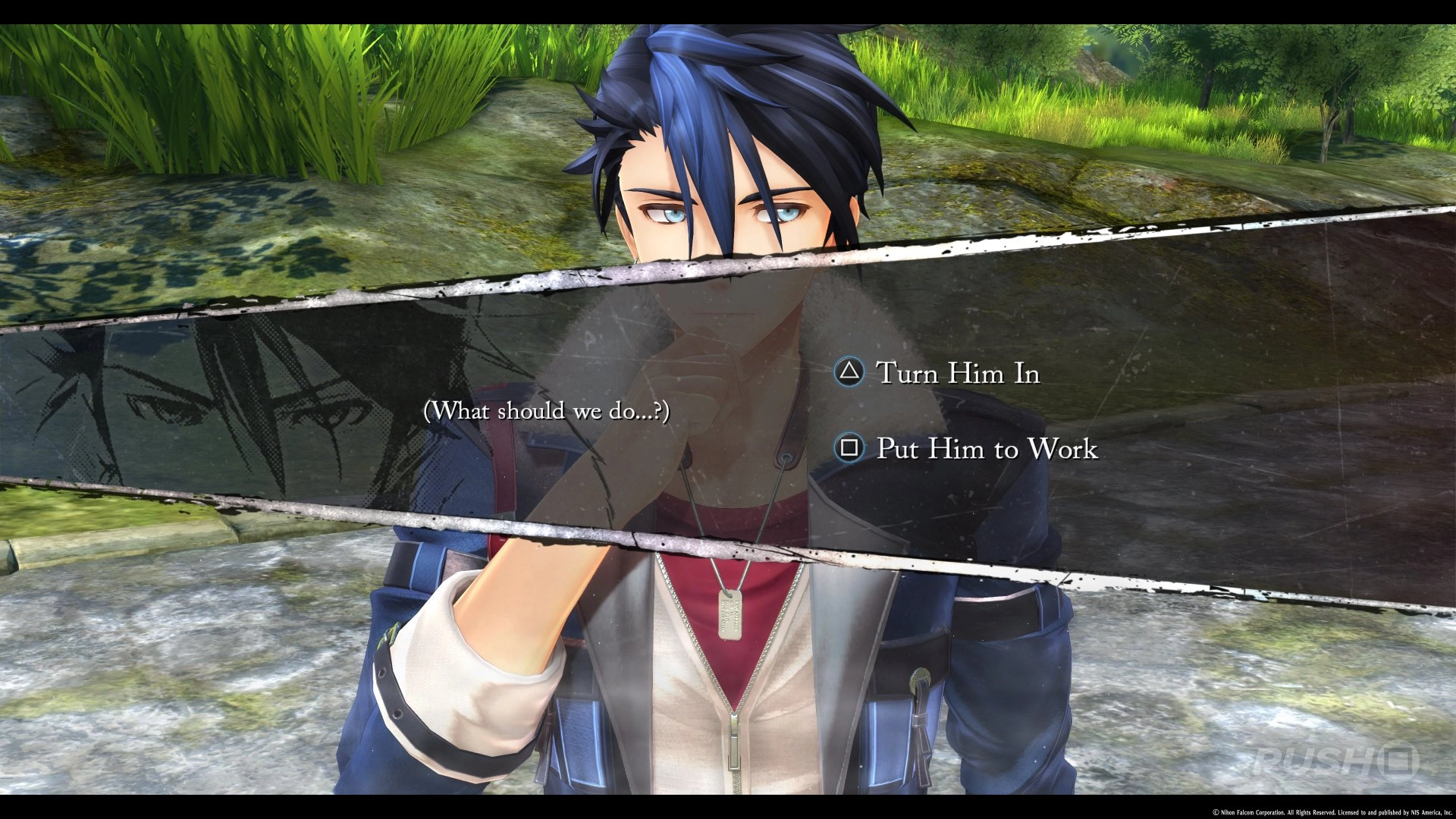
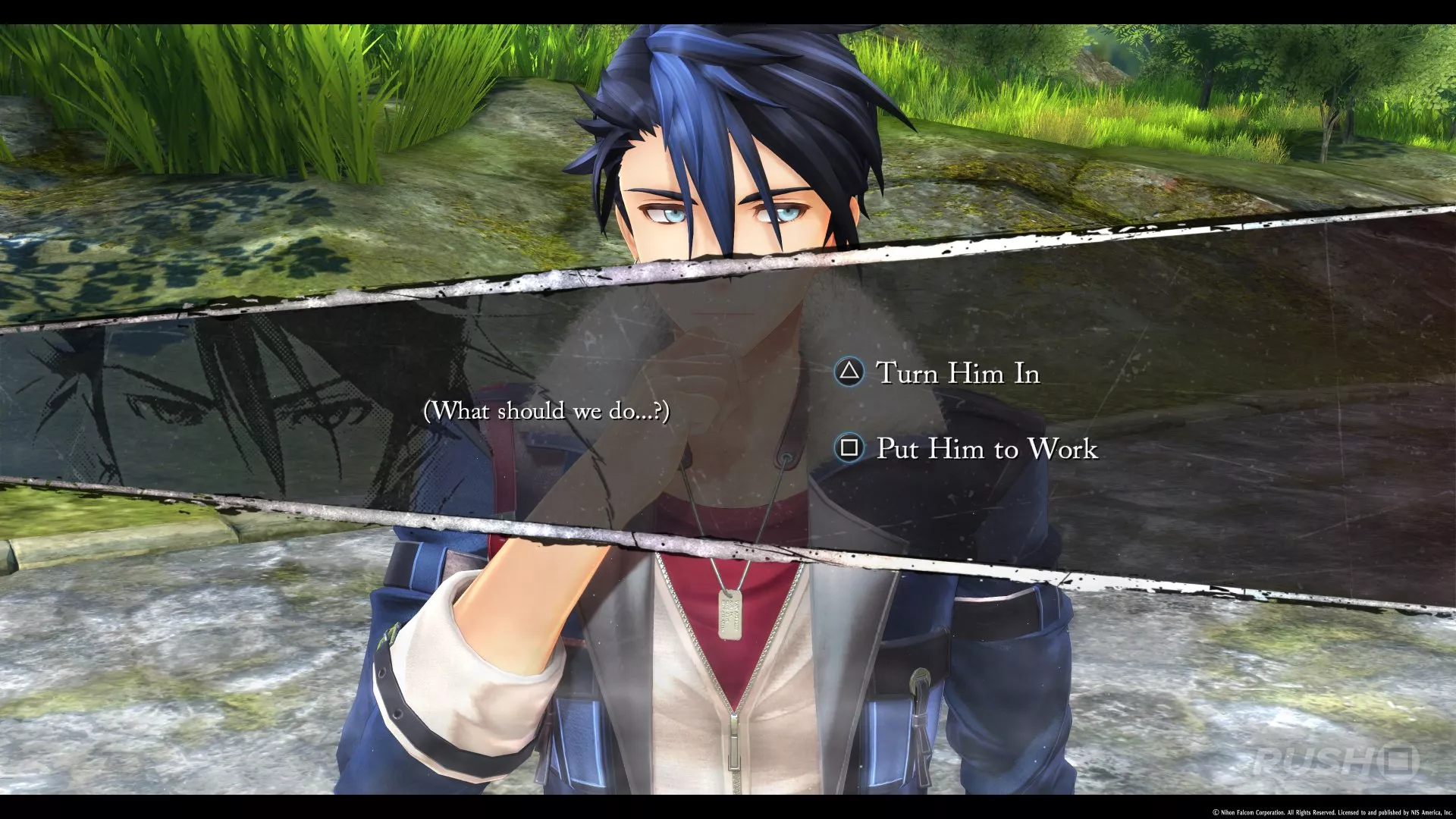
One of the novelties in Daybreak is the introduction of an 'alignment' system, which influences the narrative direction based on players' moral decisions. This system allows for different story outcomes, adding an element of personal stake and replayability to the game. Although it's not a fully branching narrative, the choices made by players do have meaningful consequences, enriching the immersive experience the game strives to provide.
Aside from the main narrative and combat enhancements, some elements like side quests and certain pacing decisions can feel overly tedious, occasionally pulling players away from the core excitement of exploration and combat. Nonetheless, these aspects are somewhat mitigated by the game's robust main story and character interactions.
In sum, Trails through Daybreak offers a rejuvenating take on the Trails series with its futuristic setting, morally complex protagonist, and enriched gameplay mechanics. It stands as a compelling invitation to both newcomers and series veterans, promising a rich, engaging RPG experience that builds on the strengths of its predecessors while charting new territory in narrative and play.

You must be logged in to post a comment!
