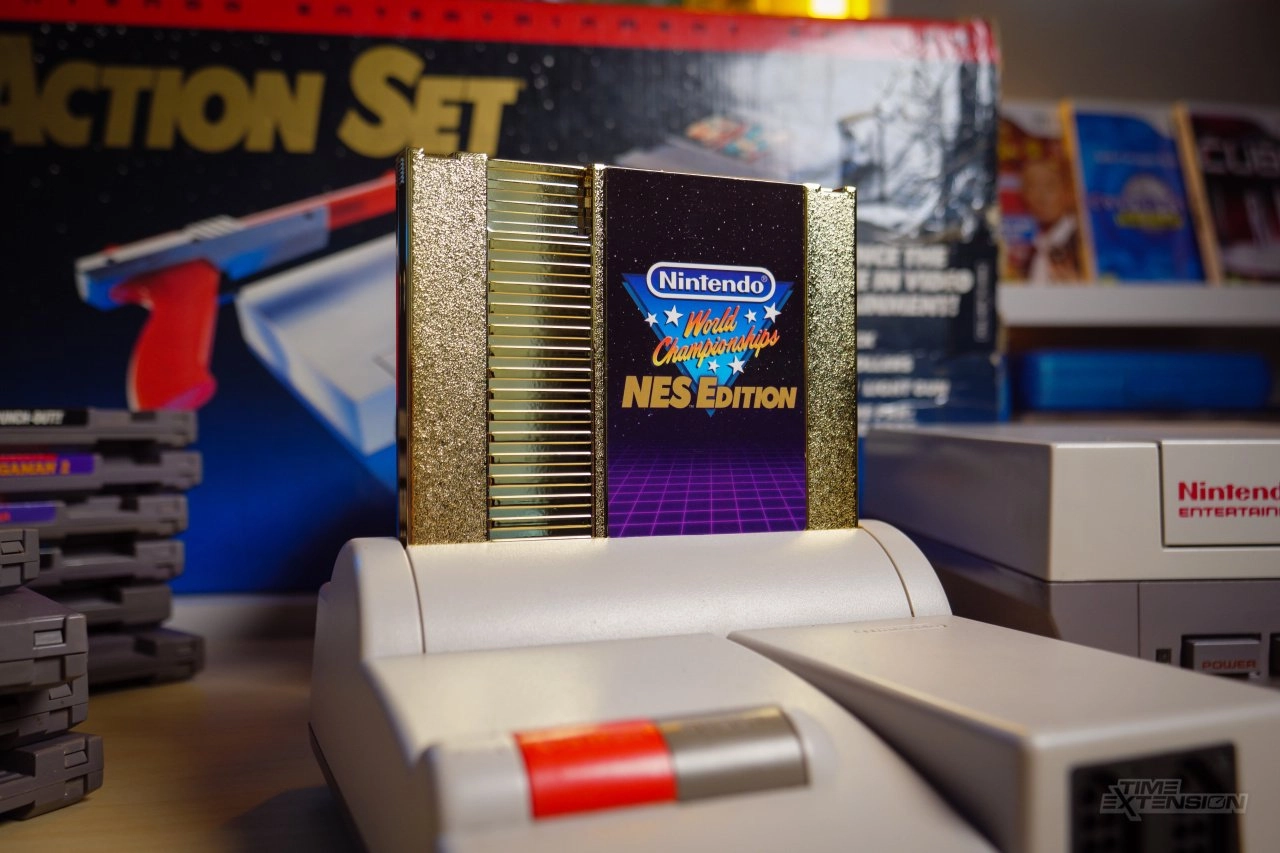
Tomohiro Kawase, although not a household name like Shigeru Miyamoto or Takashi Tezuka, is an unsung hero in the video game industry, particularly in the area of game preservation. His recent acknowledgment in the Nintendo World Championships: NES Edition highlights his critical role in securing the legacy of classic Nintendo games.
Kawase's journey with Nintendo started in 1998 with his involvement in Pocket Monsters Stadium, marking the beginning of a career largely centered around developing and managing emulators. His work alongside colleague Hideaki Shimizu includes significant contributions to several of Nintendo's pivotal projects such as the Wii Virtual Console, e-Reader NES Series, NES emulation integrated within Animal Crossing, and the GBA’s Classic NES Series.
One of Kawase’s more obscure achievements, highlighted by the enthusiast LuigiBlood on Twitter, is his effort in preserving the final revision of "The Legend of Zelda" from a Disk Writer Soft Pak. This task was especially crucial as the master disk had been corrupted. This single act not only saved an iconic game from potential obscurity but also solidified Kawase’s place as a preservationist hero within the inner circles of gaming history enthusiasts.
Before joining Nintendo, Kawase gained experience working on unofficial emulators. This background equipped him with the unique skills necessary to contribute effectively within Nintendo, particularly in the niche but crucial area of game emulation and preservation. His knowledge and expertise have enabled past games to transition smoothly into modern gaming environments, ensuring that they are not only preserved but also accessible to new generations of gamers.
Kawase remains relevant within the industry even decades after his initial projects. His name pops up in discussions not just for his technical expertise but also for his dedication to maintaining the integrity and accessibility of classic video games. The Nintendo World Championships: NES Edition credit is a public acknowledgment of his behind-the-scenes efforts, which often remain unrecognized in the wider gaming community.
In addition to his technical contributions, Kawase's work indirectly supports the retro gaming movement, providing vital tools and resources to keep the games playable. Emulators, a controversial topic within gaming due to legal and ethical issues, are nevertheless integral for preservation when used responsibly, as Kawase's career exemplifies.
Beyond the recognition in the Nintendo World Championships: NES Edition, Kawase’s career serves as a reminder of the often-overlooked aspects of the gaming industry—game preservation and emulation. These elements are essential for the historical documentation of video games and maintain the legacy of classic titles for future analysis and enjoyment.
The video game industry owes a lot to the quiet perseverance of individuals like Tomohiro Kawase, who dedicate their careers to ensuring that the beloved games of yesterday remain preserved in the rapidly evolving digital age. His acknowledgment in a prestigious platform like the Nintendo World Championships not only highlights his contributions but also emphasizes the importance of preservation within the global gaming community. Through his efforts, classics that defined the experiences of countless gamers continue to live on, bringing nostalgia and historical value to the forefront of modern gaming culture.

You must be logged in to post a comment!
