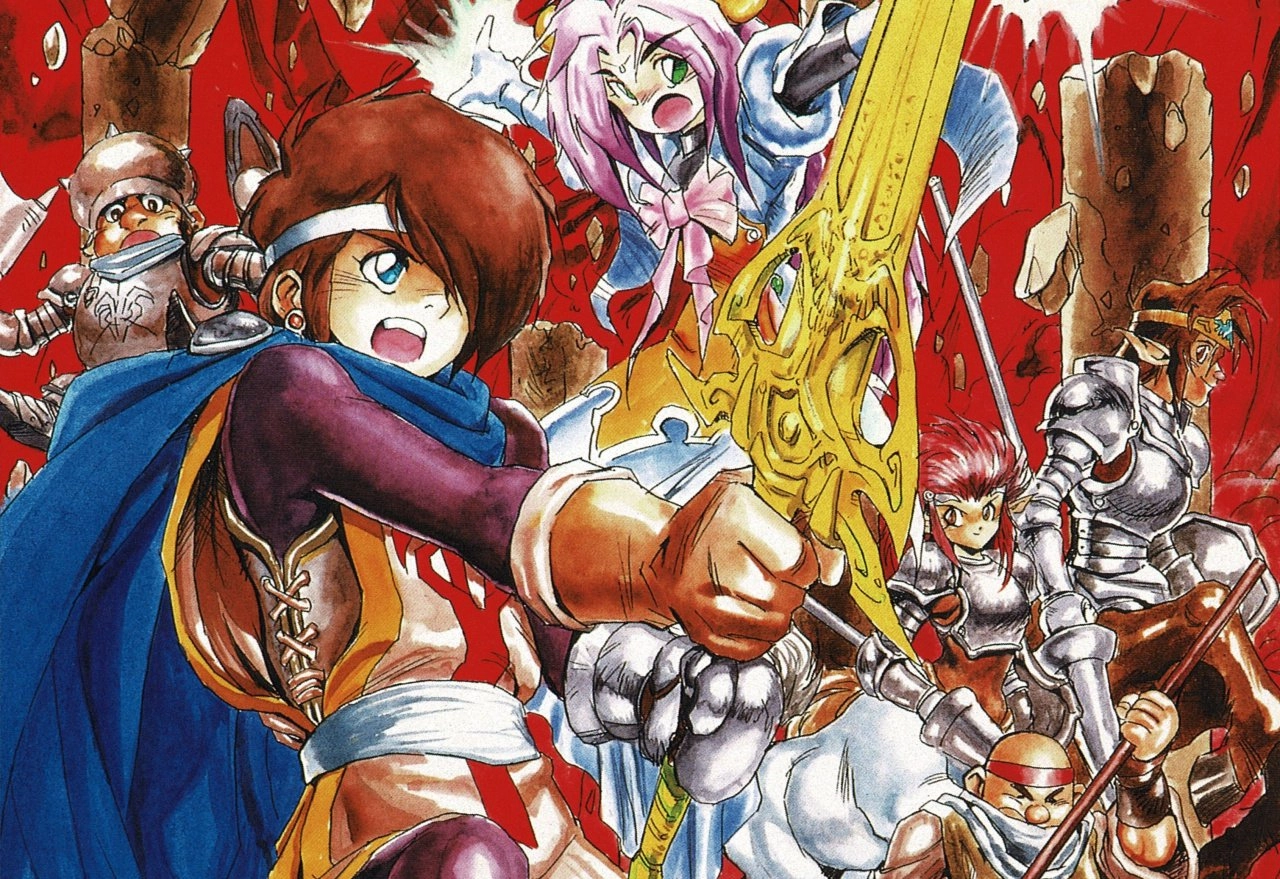
In the constantly evolving world of video games, the preservation of older titles is crucial for both historical documentation and for future generations to enjoy past glories. This has been exemplified recently with the preservation of three games from the Shining Force series: Shining Force Chronicle I, II, and III. These games, initially released on mobile devices, are based on the Game Gear Shining Force Gaiden series and hold a special place in the hearts of strategy RPG fans.
Shining Force Chronicle I, II, and III were originally launched in Japan on "keitai" phones, a term for Japanese feature phones, before making their way to Android devices. The first of these games debuted back in 2005, with Android versions following in 2011. Available through the PuyoSega subscription service, these games were not easily accessible and had remained that way until their discontinuation from the distribution service.
The significance of these games lies in their connection to the much-loved Shining Force franchise, known for its tactical RPG gameplay and memorable characters. The Chronicle series brought classic Shining Force elements to a mobile audience, adapting its strategy-based gameplay for on-the-go experiences. However, despite their appeal, the Android versions of these games faced a major hurdle: they were tied up with Digital Rights Management (DRM), a technology that restricts the use of digital content and devices after sale.
Thankfully, dedicated fans known by their online handles Yeetdom101 and usernameak took it upon themselves to rescue these gems from potential obscurity. Yeetdom101 managed to recover the APK files necessary to install the games on Android devices, while usernameak focused on removing the DRM. This effectively democratized access to the games, ensuring that they could function on current devices without the original restrictive measures.
The preservation of these games is crucial not only for fans of the Shining Force series but also for historical preservation within the video game industry. By removing the DRM and making the APK files available, these enthusiasts have ensured that the games can be played and appreciated without the original restrictive service, which could have rendered them inaccessible forever.
It’s worth noting that the games are still in Japanese, which might pose a barrier to non-Japanese speaking fans. Nonetheless, the fact that these games are preserved means there's potential for future fan translations and broader accessibility initiatives, opening up these titles to a global audience.
The story of preserving Shining Force Chronicle I, II, and III is a testament to the dedication of the gaming community. It’s a reminder of how technological and corporate barriers can be overcome by the determination of the community, driven by a collective appreciation for gaming history.
This act of preservation is especially poignant considering the broader context in which other historical gaming content is being restored and revisited. For example, the news of other gaming classics being ported, remastered, or even saved by fans indicates a growing trend of preserving and valuing our digital heritage. This ensures that future generations can enjoy and learn from past gaming experiences, understanding the evolution of video game design and technology.
Moreover, these efforts highlight how fan initiatives often fill the gaps left by the industry, particularly when it comes to games that are at risk of being lost. The community's role in maintaining and preserving game history is proving to be indispensable, particularly for games that may not have had enormous commercial impact but still hold significant cultural or nostalgic value.
As video game history continues to unfold, the preservation of titles like Shining Force Chronicle I, II, and III serves as a crucial endeavor. It reflects the community's unwavering commitment to ensuring that even the most niche games are not forgotten, but instead celebrated and enjoyed for years to come.

You must be logged in to post a comment!
