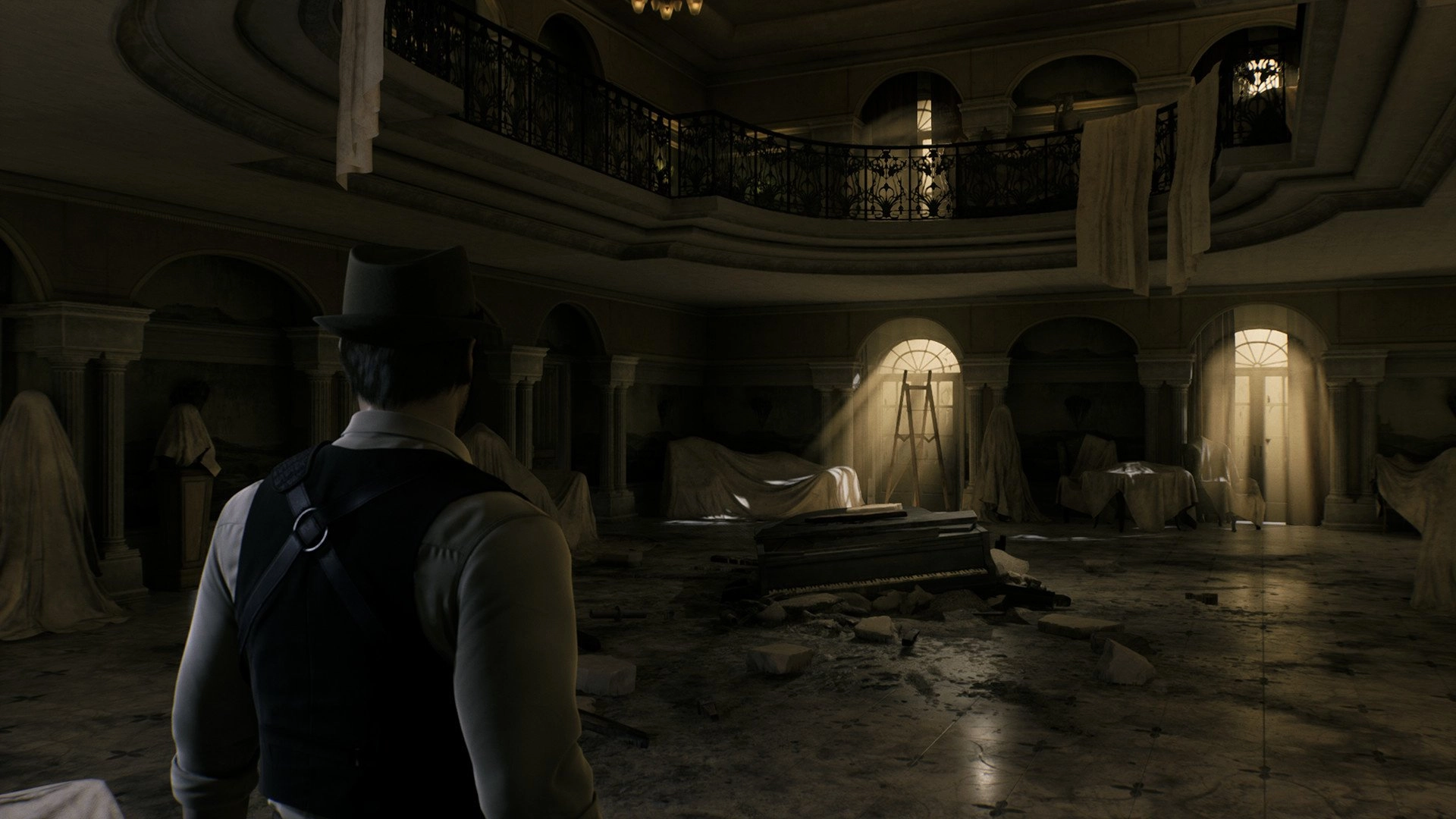
Billed as a triumphant return for a classic franchise, the latest iteration of Alone in the Dark aimed to usher in a new era for the series, balancing the nostalgia of the original titles with a fresh over-the-shoulder perspective. The developers, Pieces Interactive, sought inspiration from the first three games but also appeared to glean heavily from other successful remakes, such as Capcom's Resident Evil 2. Unfortunately, the final product delivers an experience that can only be described as a mixed bag, nostalgic yet lacking the innovation and polish of its contemporaries.
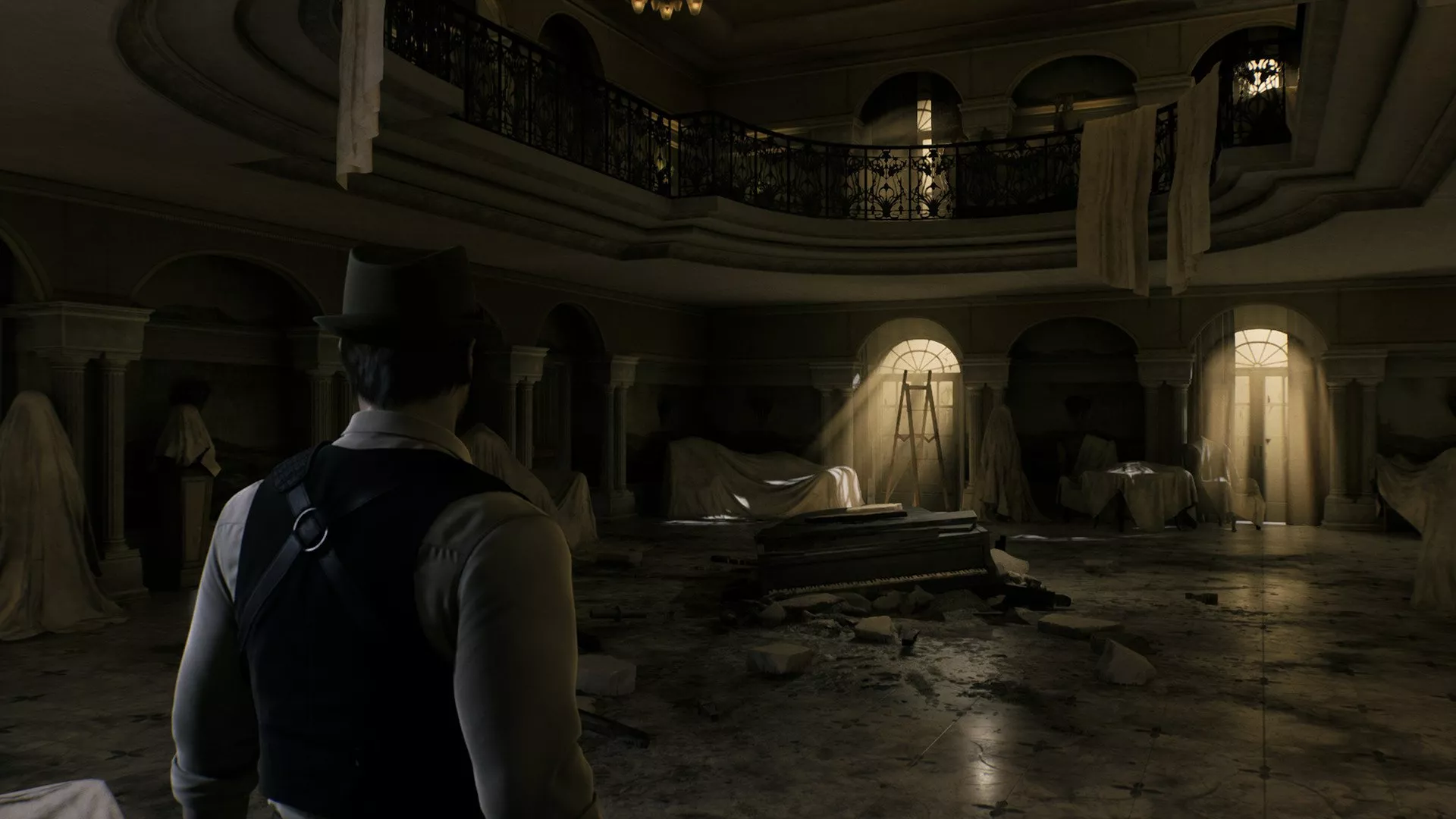
Upon starting Alone in the Dark, players face a choice between two protagonists, Edward Carnby or Emily Hartwood, each promising a slightly varied journey. The story begins straightforwardly, with the mission to locate Emily's missing uncle, Jeremy, unfolding in a sprawling Louisiana mansion filled with secrets and dangers. Players familiar with survival horror will find the setting and mechanics nostalgic, as the game incorporates exploration, puzzle-solving, and item scavenging in a manner that initially feels engaging and reminiscent of early Resident Evil titles.
The game succeeds in building an initially compelling narrative with a haunting atmosphere, which is particularly pronounced in confrontations with the enigmatic Dark Man, a prominent and eerie antagonist. However, as the narrative unfolds, the storytelling begins to unravel, delving into supernatural elements and cryptic lore that muddle what could have been a concise and thrilling plot. This shift in narrative tone is accompanied by a transformation in gameplay, as the latter half of the game moves away from open exploration and leans toward a linear path laden with abstract themes and set pieces.
The puzzle aspect, generally a cornerstone of the genre, varies in Alone in the Dark. While some puzzles are thoughtfully crafted, adding to the sense of accomplishment as players unlock new areas or secrets, others come across as obtuse, leaving players feeling more frustrated than challenged. A particular issue arises with a telescope puzzle, which caused significant technical problems during playtesting, including loud console fan noise and game crashes. It's worth noting that these issues predominated with one character over the other, potentially impacting the playthrough experience depending on the initial character choice.
Combat is another aspect where the game could have shined, but instead, it provides a serviceable experience that lacks depth. Sure, you have the standard arsenal of a pistol, shotgun, and SMG, and the gunplay is satisfying enough, but there's a missed opportunity in the absence of weapon upgrades or attachments. These could have added a layer of strategy and customization to the fights. Additionally, the game encounters issues such as delayed weapon audio, which, while a minor technical gripe, detract from the immersive experience one would hope for.
Despite these pitfalls, players do find a rhythm in the gameplay, especially in the early stages. The challenge of the puzzles and the anxiety-inducing encounters with The Dark Man keep the game afloat, providing a dangling carrot to coax players forward. However, the fragmented storytelling and switch to a more supernatural and fantastical narrative risk jarring players out of engagement, especially when juxtaposed against the grounded, detective-like vibe of the opening chapters.
This incongruity carries through to the conclusion, where what might have otherwise felt like a natural climax instead comes across as contrived. A "typical" boss fight awaits at the end, not perfectly woven into the narrative but feeling somewhat forced just to check off the box of a final showdown. While this concluding encounter does not present significant difficulty, it does necessitate some tactful weapon handling and resource management from the player.
In summary, Alone in the Dark shows moments of brilliance and captures some of the magic that made the originals memorable. Yet, it's hampered by inconsistent storytelling, missed opportunities in gameplay, and technical issues that, at times, hinder progression. The game is a mixed experience—compelling for those willing to overlook its flaws but likely a disappointment to those expecting a modern classic. The developers have noted an upcoming patch to address bugs, which could provide some solace for aspiring detectives eager to brave the shadows. However, as it stands at release, the game appears to be caught between the golden reverence for its past and the shadowy realization of its present state.

You must be logged in to post a comment!
