
In light of Mental Health Awareness Month, there has been a notable shift in the dynamics of therapeutic practices, particularly through the integration of video games like those available on the Nintendo Switch. This hybrid console has become a valuable tool in therapy, engaging clients in a manner that resonates with their interests and lifestyles.
Therapeutic sessions traditionally involve conversations and occasionally supplemental activities like drawing or role-playing. However, the introduction of video games into these sessions has unlocked a new, vibrant method of interaction and engagement. Video games are not only entertaining but also provide a new avenue for expression and communication, especially significant in child therapy, where traditional conversation methods may not be as effective.
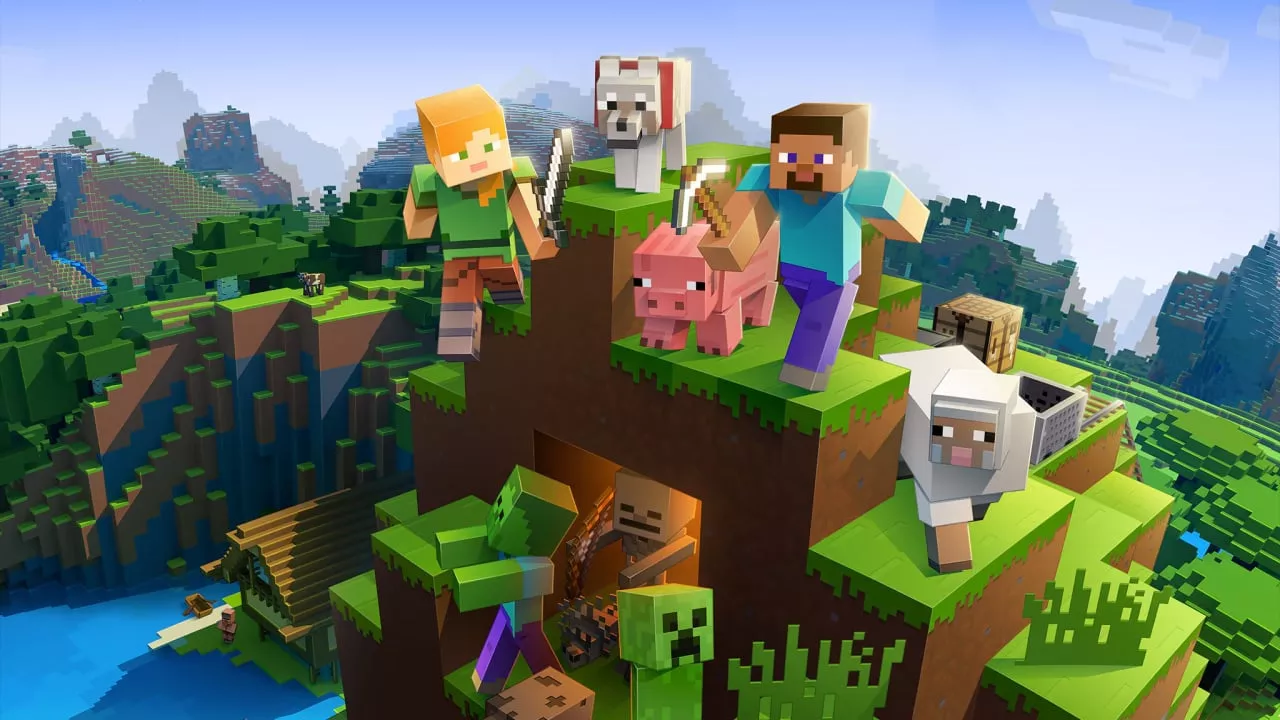
The Nintendo Switch, known for its versatility and wide array of games, stands out as the console of choice for many therapists. This preference is due to several of its intrinsic features: its hybrid nature allows for both portable and stationary play, and its games are often geared toward family-friendly, cooperative experiences. Games like "Animal Crossing: New Horizons," "Stardew Valley," and "Minecraft" offer therapeutic benefits by allowing players to express themselves, work through anxiety, or manage stress in a controlled and safe virtual environment.
For example, during the COVID-19 lockdowns, therapists found traditional in-person therapy challenging to conduct due to health safety restrictions. The Switch provided an alternative means to continue therapy through interactive and engaging online gaming sessions. Therapists like Monet Goldman of Video Game Counseling emphasized the significant role of fun in therapy, which proved especially crucial during the isolating times of the pandemic. By incorporating games into sessions, therapists could foster a sense of connection and joy, crucial for mental health during such turbulent periods.
The therapists using the Switch noted several games that have been particularly effective in addressing specific therapeutic goals. "Animal Crossing: New Horizons" is widely used because of its open-ended, peaceful world that allows players to create and manage a virtual life. Therapists have used it for everything from helping clients with phobias, such as fear of needles, by rehearsing the process in-game, to providing solace for those dealing with grief by creating memorials for loved ones.
Moreover, games like "Overcooked 2" and "Luigi’s Mansion 3" are used to improve communication and cooperative skills or to help clients manage anxiety and stress. These games require players to work together to achieve common goals under pressure, reflecting real-life challenges and providing a unique way to develop coping mechanisms.
The importance of privacy and confidentiality in therapy is also a critical consideration, and the Switch addresses these concerns adeptly. Features like private multiplayer sessions without revealing online statuses and robust parental controls ensure that therapeutic game sessions remain private and secure. This makes it a favored choice among therapists who need to maintain a controlled therapeutic environment online.
Additionally, therapists appreciate the ease of integrating the Switch into therapy due to its accessibility and the familiarity that many clients already have with the device. The console and its games also provide a less intimidating way for clients to open up and discuss their feelings and experiences, which might be difficult to articulate in a typical therapy session.
The therapeutic potential of the Nintendo Switch and its games continues to develop as more therapists recognize the value of integrating play into therapy. This approach not only complements traditional therapeutic techniques but also aligns well with the increasing digitization of our lifestyles, making therapy a more relatable and effective experience for clients, especially the younger, digitally-native generations. As this practice expands, it will likely gain more acceptance, contributing to the broader understanding and appreciation of therapy in modern society.




You must be logged in to post a comment!
