In 2015, Disney embarked on a technological venture called Playmation, a project designed to fuse wearable technology with augmented reality (AR) and physical activity to create a dynamic new form of play. Described by Walt Disney Company COO Tom Staggs as "21st century play," this ambitious initiative sought to blend the digital and physical worlds in ways that had never been seen before. However, despite its innovative approach, the project faced significant challenges that eventually led to its cancellation.
Playmation's first foray into the market began with a superhero-themed line centered around Marvel characters. Launched in October 2015, the starter packs were marketed at a steep price of $119.99, aiming to attract gamers and tech enthusiasts alike with a promise of an immersive interactive experience. These starter kits included wearable gadgets and digital tools that interacted with user movements, allowing players to simulate being part of the action in their favorite Marvel stories.
Despite the high expectations, the commercial response to the Marvel line did not meet Disney's aspirations. The products did not perform well at retail, leading to disappointing sales figures. This underwhelming performance made Disney reconsider the viability of continuing the Playmation line. By 2016, Disney decided to pull the plug on the project, shelving any future developments, which unfortunately included an eagerly anticipated Star Wars version of Playmation.
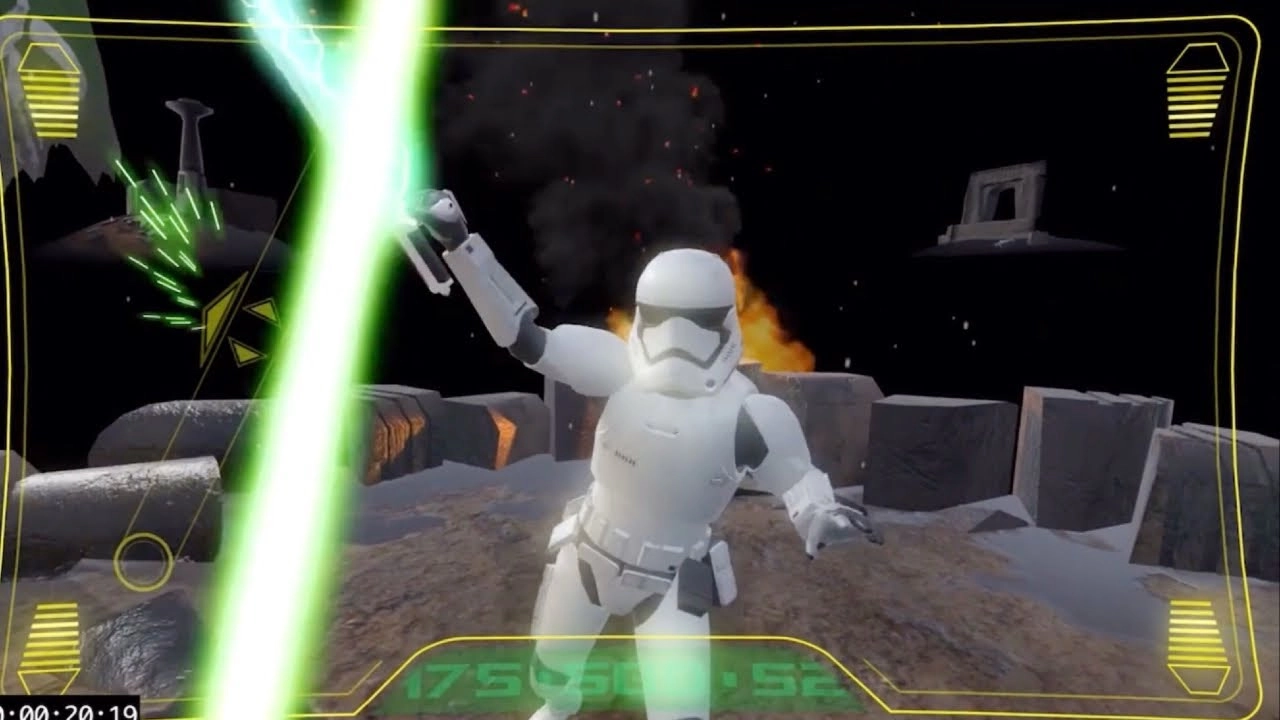
Unseen Gaming recently unveiled what might have been with the Star Wars Playmation through a demo reel created by Mike O'Brien. The footage provided a glimpse of what the experience would have been like, showcasing a combination of AR visuals and physical, activity-based interfaces that would bring the rich Star Wars universe to life in a user's living environment. Accompanying this footage were concept arts and promotional materials that had been prepped for a launch that never came to be. These glimpses into what was in development showed potential for an innovative leap in how fans could interact with the Star Wars saga.
Playmation promised to revolutionize the concept of play by merging cutting-edge technology with user engagement in physical activities. The idea was to get users physically moving while simultaneously immersing them in their favorite fictional worlds through interactive storytelling and responsive technology. This was not just about video gaming; it was an attempt to create a holistic play experience that encouraged movement and imagination.
The cancellation of the Playmation project raises questions about the challenges tech companies face when innovating at the intersection of digital content and physical interaction. Factors such as consumer expectations, pricing strategies, and the actual readiness of technology to deliver a seamless experience play pivotal roles. For Disney, a company renowned for its storytelling prowess and media franchises, the demise of Playmation was a rare retreat in its broader strategy of leveraging technology to enhance entertainment.
Moreover, the decision to discontinue Playmation halted what could have been further expansions into other Disney franchises. Frozen was another popular series slated to get the Playmation treatment, with plans for a release in 2017 that were scrapped as the entire Playmation team was laid off and future projects were canceled. This indicated a significant shift in Disney’s strategy from what might have been a continuous rollout of themed Playmation packs across its various film and television properties.
Watch this demo footage to get a sense of the lost potential of Disney’s Star Wars Playmation:
