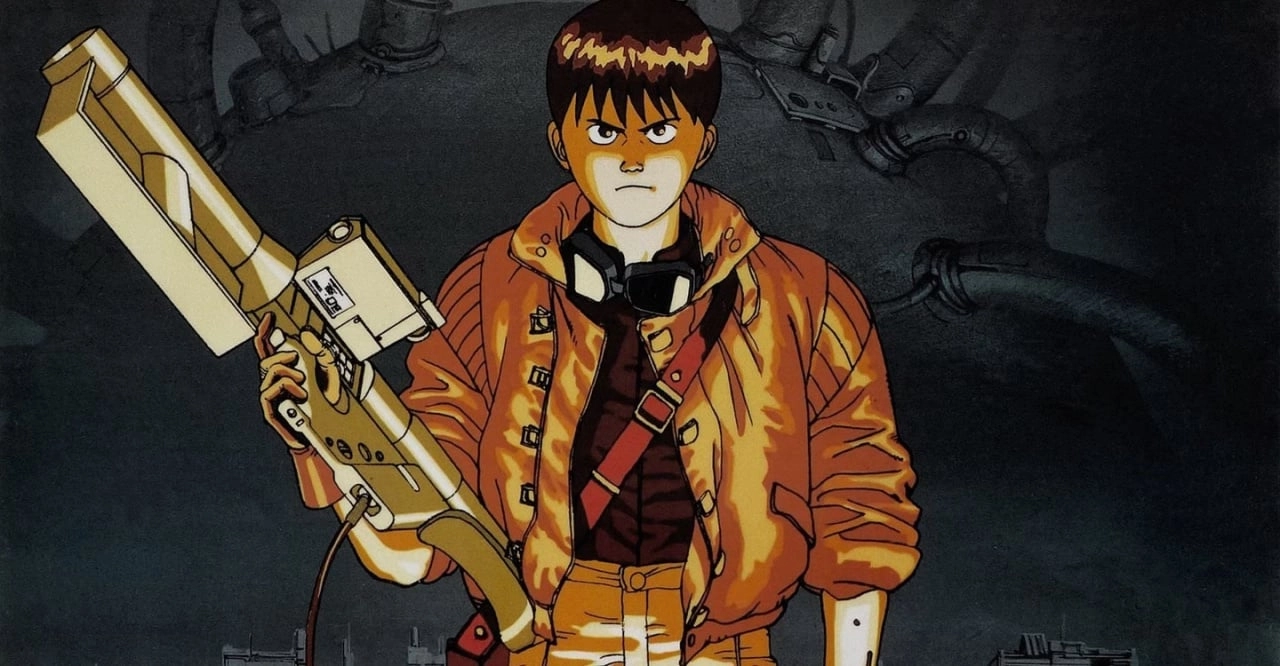
The Japanese animated film "Akira" is highly regarded in the world of anime, celebrated for its incredible visuals, engaging storyline, and memorable characters. The film, directed by Katsuhiro Otomo and released in 1988, is an adaptation of Otomo’s own manga series. Considering its impact and popularity, it was a prime candidate for adaptation into a video game. Yet, the journey towards achieving a successful "Akira" game was fraught with challenges and ultimately remained incomplete.
The first attempt to adapt "Akira" into a video game occurred alongside the film's release. Tose, a game developer in Kyoto, partnered with publisher Taito to create an adventure game exclusive to Japan for the Nintendo Famicom. Despite high hopes, the game received underwhelming reviews and left fans wanting more. The 1990s saw numerous rumors and speculation about potential "Akira" video game projects across various platforms, including the Sega Mega Drive/Genesis, SNES, and Game Boy. However, only a few games, like poorly-reviewed releases for the Amiga and Amiga CD-32 by ICE Software, ever made it to the market. With several unreleased versions of the game, enthusiasts and journalists have hunted down information to shed light on these enigmatic projects, and snippets of the Game Boy and Mega Drive versions have surfaced online.
The story becomes particularly interesting with the entry of Lawrence Siegel, an American businessman who acquired the video game license for Akira in the 90s. Siegel initially encountered Akira on a trip to Osaka, Japan, and instantly recognized its potential. Determined to secure the rights, he approached Kodansha, the production company behind Akira, and Otomo himself. Although the orignal rights were claimed by another American studio, Streamline Pictures, Otomo endorsed Siegel’s passion by giving him animation cells and advising him to contact Mike Haller from Streamline.
When Siegel reached out to Haller, he quickly managed to secure what he called a "5-year deal." With limited resources, Siegel chose to start small by developing a Game Boy game with the studio Handmade Software. However, their focus on an SNES game and unsatisfactory progress led Siegel to revoke their involvement and hand the project to the UK-based ICE Software.
In a twist of fate, Siegel’s company, Black Pearl Software, was purchased by THQ, granting him potential access to greater resources. Unfortunately, convincing the new management at THQ, led by CEO Jack Friedman and CFO Brian Farrell, of the game's potential proved to be difficult. Despite Siegel's assertion that Akira could become a blockbuster and anchor title, his proposals met with disinterest and skepticism. Friedman and other executives continually favored other seemingly more appealing licenses.
Even after a showcase at the Summer Consumer Electronics Show in 1994, where a Sega Mega Drive/Genesis version of "Akira" was presented, the printed promises of releases for SNES, Game Boy, Sega CD, and other platforms remained unfulfilled. Although Atari Jaguar and PC versions were considered, none of these projects saw the light of day, except for the independently published Amiga titles.
Siegel's frustration with the video game industry stemmed from what he perceived as a detachment from the creativity and vision that drives game development. He lamented that the industry had fallen into the hands of corporate figures who lacked an understanding of what made games enjoyable or compelling.
Despite high hopes and persistent efforts, the Akira game ventures did not succeed. The source of Siegel's disillusionment was the prioritization of various transient trends over the potential of the Akira license. Siegel eventually left THQ in 1995, and while he brought Haller on board as a consultant, Haller too struggled to make progress with Akira in the video game landscape. Haller, despite his senior position, was relegated to working on wrestling games, and the Akira project remained unrealized.
This tale of ambition, corporate challenges, and missed opportunities speaks to the difficulties of bringing successful anime into the gaming world, particularly during a time when anime was still gaining popularity in the West. Today, video game adaptations of anime have become more common, but the history of Akira's attempt still serves as an interesting case study of what could have been in an era ripe for classic cyberpunk storytelling.

You must be logged in to post a comment!
