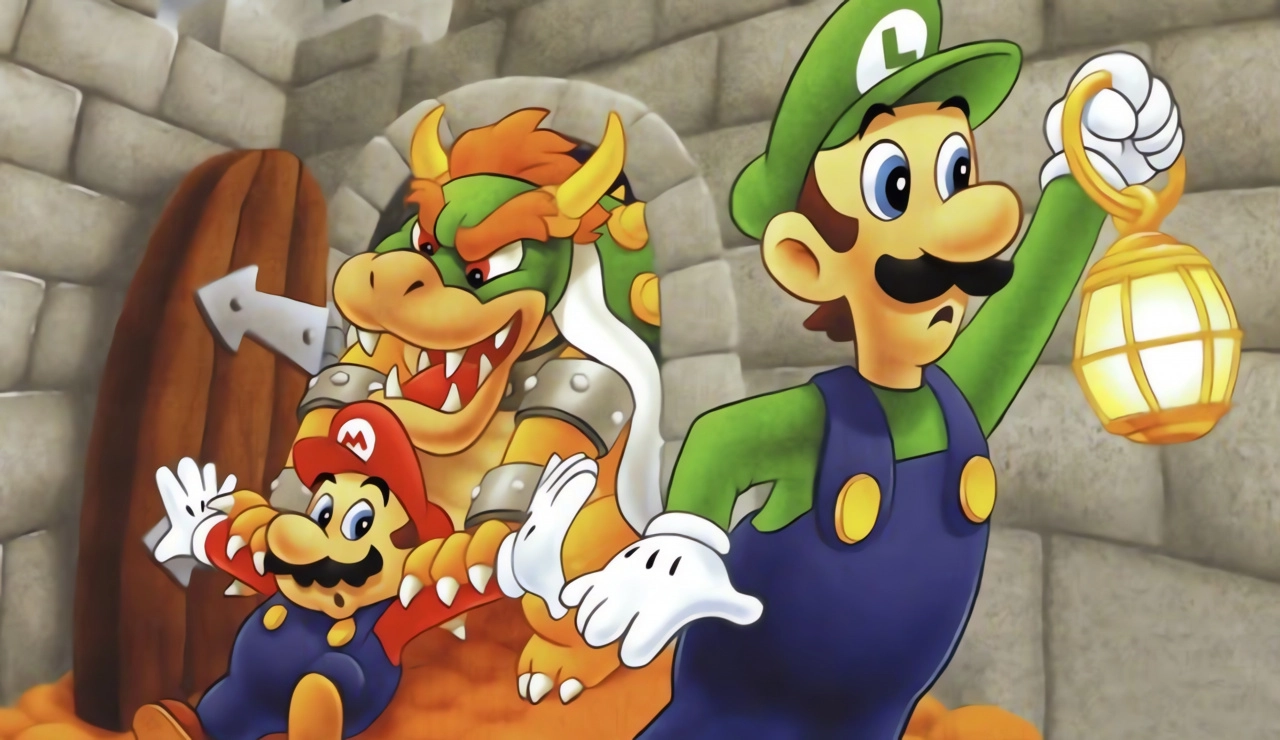
Mario is Missing is a title that might raise eyebrows among fans of the iconic plumber's traditional adventures. Launched in 1993, this educational game diverged from the expectations set by its predecessors like Super Mario World and Mario 64. It was crafted by The Software Toolworks, known for its edutainment titles, and marked Luigi's first significant starring role in a major gaming release.
The game sets players on a quest to find Mario, who has been kidnapped by the villainous Bowser. Luigi traverses the globe to retrieve stolen artifacts and rescue his brother, providing an educational twist to the usual platforming action. Nintendo's collaboration with The Software Toolworks was based on the success of previous ventures, including the Miracle Piano Teaching System.
Donald W. Laabs, the lead designer on Mario is Missing, shared that the team's objective was to compete with the popular Carmen San Diego series while leveraging the educational potential of a beloved character like Mario. Nintendo, keen on maintaining the integrity of the Mario brand, made sure the game's characters were depicted accurately. Still, the directive from Nintendo was clear: they wanted an educational title that should not be mistaken for a traditional Mario game.
Each version of Mario is Missing was slightly different, with the MS-DOS version being the most prominent, due to its mouse-driven interface. It was tailored to appeal to a young demographic, prioritizing educational value over challenging gameplay to compete with Broderbund's offerings.
Despite its educational intent and competent design, Mario is Missing faced significant backlash for not providing the expected traditional Mario experience. Critics often cite the lack of action and slow gameplay as major drawbacks, and over the years, the game's reputation has suffered. Nonetheless, Mario is Missing achieved financial success and spawned a series of Mario-themed educational titles.
The developers, aware of the scrutiny their work faced, acknowledged the fair criticism regarding the marketing of the game. Laabs, looking back, appreciates the privilege of working on the game and is humored by the ongoing discussions surrounding it, even decades later. Both Laabs and programmer Jeff Chasen cherish the experience, emphasizing the honor of contributing to the Mario franchise's history, despite the mixed reception.
Mario is Missing, with its unique position as an educational game under the guise of a Mario adventure, demonstrates the experimental nature of game development. While its legacy may be controversial, it serves as a reminder of a time when video games explored new realms, teaching players that even heroes like Mario and Luigi could find themselves in the most unexpected learning journeys.

You must be logged in to post a comment!
