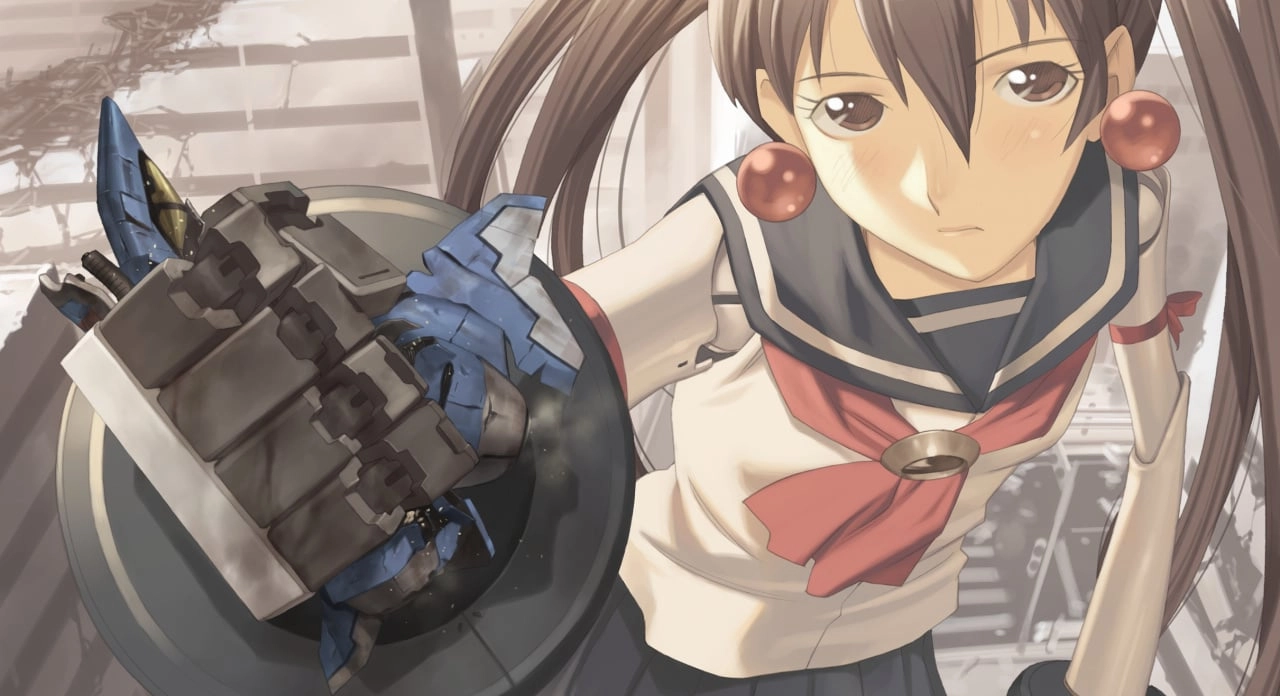
In the mid-1990s, a new player entered the Japanese arcade scene, carrying the torch of an esteemed '80s developer Toaplan and ready to revamp the shoot-em-up (shmup) landscape. This emerging powerhouse was none other than CAVE Co. Ltd, a company formed by former Toaplan employees eager to innovate. With industry contemporaries like Raizing and Psikyo starting to fade, CAVE infused the genre with a renewed vibrancy, ultimately causing what could be called the renaissance of the shmup world.
The figurehead of this revolution was Tsuneki Ikeda (IKD), who had previously co-programmed important Toaplan games such as Grind Stormer and Batsugun. Batsugun, Toaplan's final title before closure, offered a glimpse into the future with its more measured bullet speeds and a dramatic increase in bullet quantity – both hallmark signs of what would become known as "bullet hell." It was with this embryonic concept that Ikeda transitioned to CAVE, determined to build upon his groundwork.
The inception of CAVE's bullet hell began with the 1995 arcade release of DonPachi, which not only carried the spirit of Toaplan but also introduced a relentless, symbiotic aggression between player and game. Screens dense with enemy fire demanded pure skill, creating an experience akin to a thrilling high-speed dance of survival. Ikeda, who would soon ascend to become CAVE's lead programmer and manager, presented an experience so captivating and challenging that it was impossible to ignore.
Espousing a daring approach in light of the advancing 3D gaming trend, CAVE's ESP Ra.De. in 1998 kicked off a series of increasingly inventive titles. Their creativity was not confined to visuals and gameplay mechanics; they also advanced player engagement, enticing experienced players with deep, layered strategies that introduced new ways to approach the shmup genre.
During its prime, CAVE was practically a byword for the hardcore gaming elite. From the earth-shaking moments of Ketsui's boss defeats to the unforgiving ultra mode of Mushihimesama, CAVE's offerings didn't simply challenge players – they entranced them with their audacity and precision. The work of Shinobu Yagawa, a remarkable developer known for the notoriously difficult games like Battle Garegga and Recca, further solidified CAVE's reputation for excellence as he added Ibara, Pink Sweets, and Muchi Muchi Pork to their shoot-em-up library.
Even as internationally curious players scoured Japanese auctions for the rare and highly sought-after arcade PCBs, CAVE ventured into the console market, reaching a broader audience. Despite the varying quality of these ports, with unique issues ranging from slowdown problems to input lag, the essence of CAVE’s games managed to spark interest globally.
Notably, DonPachi and DoDonPachi, the flagship games of CAVE's expansive catalog, represented the starting line and the eventual capstone of the company's storied tenure. They were titles that defined and refined the bullet hell genre, with intricacies like chaining systems, ship types, and intense scoring mechanics. The gameplay encouraged risk-reward strategies, with players nudging their ships through curtains of enemy fire, leveraging the tiny hitbox to weave in and out of seemingly impossible situations.
Throughout the course of its existence, CAVE's DonPachi series went on to witness several sequels, each iterating on previous designs and introducing their own unique twists. DoDonPachi II: Bee Storm, for instance, while not developed by CAVE, influenced the company's decision to adopt new hardware architectures for their future games. DoDonPachi DaiOuJou, by contrast, became an undisputed masterpiece and a reference point for quality in bullet hell gaming.
The titles that followed continued to push boundaries and expectations. DoDonPachi DaiFukkatsu introduced the notion of an auto bomb, and incorporated different ship styles to adapt to different player levels. Though it stirred mixed feelings upon release due to its departure from the aggressive purity of earlier entries, it ultimately found its place in the community.
The final act, DoDonPachi SaiDaiOuJou, emerged in 2012 as a fitting curtain call to CAVE's creation. Returning to simpler mechanics and offering a dose of nostalgia with modernized aesthetics, it gave players a send-off that remained faithful to the essence of the genre CAVE had so masterfully elevated.
CAVE's DonPachi series not only changed the shmup game genre; it changed gaming culture as a whole. Pursuing both survival and scoring, CAVE melded action with strategy in a way that captivated both newcomers and die-hard fans long after their original release. As a tribute to the genre and to the extraordinary talents behind these games, CAVE's mark on the world of shmups remains a high-water mark of creativity, skill, and shoot-em-up bliss.

You must be logged in to post a comment!
