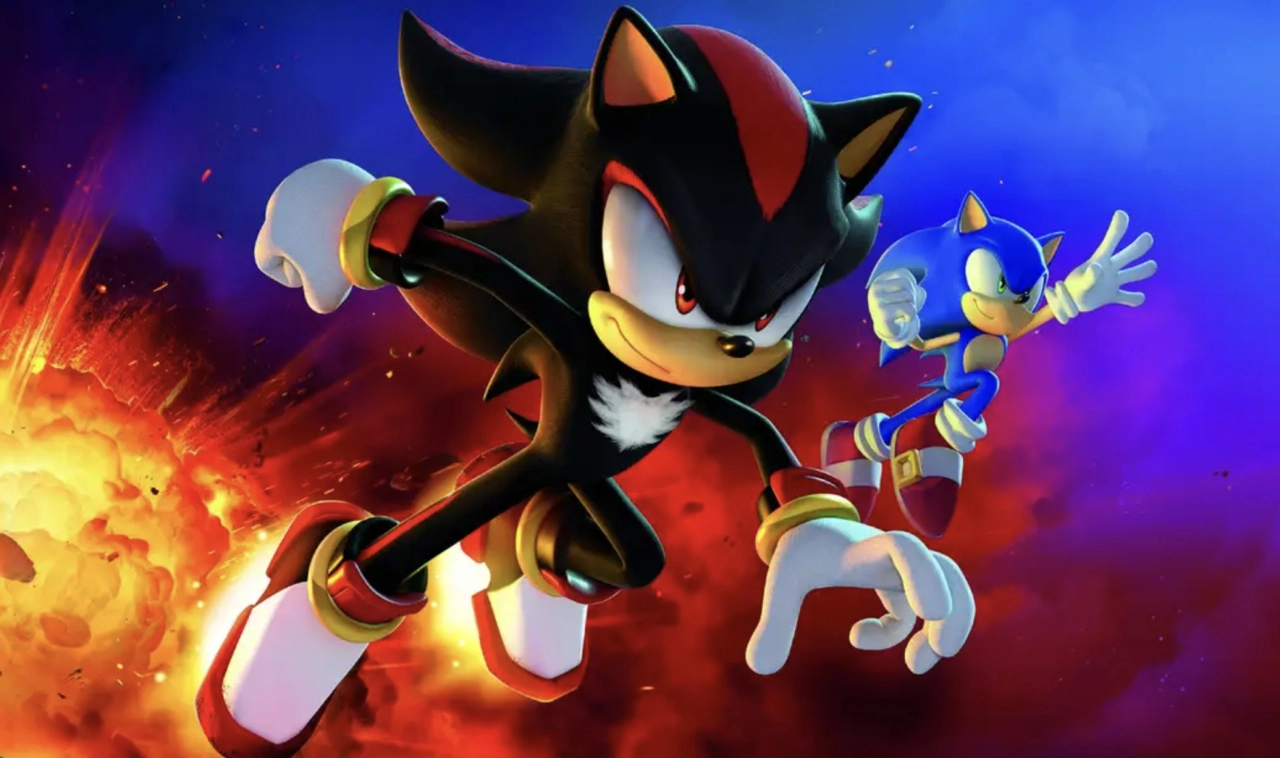
In the world of video game development, the tone and content of a game can undergo numerous changes from conception to final product. A striking example of this is the 2005 Sonic series game, Shadow the Hedge hated the idea of being promoted as a serious figure on the Revolution. This Sega game was intended to present a darker, more mature storyline within the Sonic the Hedgehog universe. Recently, insights from Jason Griffith, who lent his voice to the titular character, revealed how the game nearly took a drastically different turn.
Originally, Sega aimed for an M-rating, indicating mature content suitable only for adults, for Shadow the Hedgehog. This development plan was in line with Sega's goal to branch out to an older audience, deviating from the typically family-friendly Sonic games. During the voice recording sessions, Griffith was instructed to perform with an intensity that matched this mature rating. According to Griffith, he was asked to infuse every line with profanity, creating a version of the character far removed from the norm for the franchise. Phrases like “Sonic, give me that f***ing Chaos Emerald!” were part of a much edgier dialogue script that Sega explored for Shadow.
This phase of recording wasn't just a minor experiment but involved detailed production work. Griffith mentioned that for every piece of dialogue, he recorded two versions: one that was heavy with swear words, presumably for the M-rated version, and another that was more toned down. The purpose of such an extensive effort was to ready the game for any eventualities depending on the response from the rating agencies like the Entertainment Software Rating Board (ESRB).
However, as the game’s development progressed, the vision for an M-rated Shadow the Hedgehog shifted considerably. The final version of the game received an E10+ rating from the ESRB, signifying content is generally suitable for ages 10 and up. This rating pointed to the inclusion of only mild language and violence, a significant scaling back from the heavy profanity originally recorded. This rating decision meant that the aggressive and profanity-laden version of Shadow was set aside, possibly stored away on hard drives as Griffith humorously noted.
The decision to scale back the mature content in Shadow the Hedgehog and aim for a more moderate E10+ rating could be attributed to various factors. Primarily, the Sonic franchise has a considerable following among younger audiences, and releasing an M-rated game might have alienated a significant portion of its fan base. Such a drastic shift could also have risked the brand image of Sonic, traditionally known for its playful and adventurous themes rather than mature and dark narratives.
Despite the toned-down final product, Shadow the Hedgehog still managed to carve out a unique space within the Sonic universe. By dabbling in themes of morality, identity, and conflict, the game explored a narrative depth that was atypical for Sonic games at the time. It allowed players to make choices that affected the outcome of the game, introducing a layer of narrative complexity and replay value. Even with an E10+ rating, the game succeeded in being more moody and mature than its predecessors, fulfilling part of Sega's original intent.
Reflecting on these developments, the journey of Shadow the Hedgehog’s production illustrates the balancing act developers must perform between creative vision and market realities. While the version filled with swear words never reached the public, the story behind its development adds an interesting layer to the game’s history. It serves as a reminder of how video games are shaped by a variety of forces, not just the creators' initial intentions but also external ratings and audience expectations. Ultimately, Shadow the Hedgehog stands as a testament to the evolving narrative capabilities of video games, demonstrating that even iconic franchises like Sonic are not immune to the pressures and changes of game development.

You must be logged in to post a comment!
