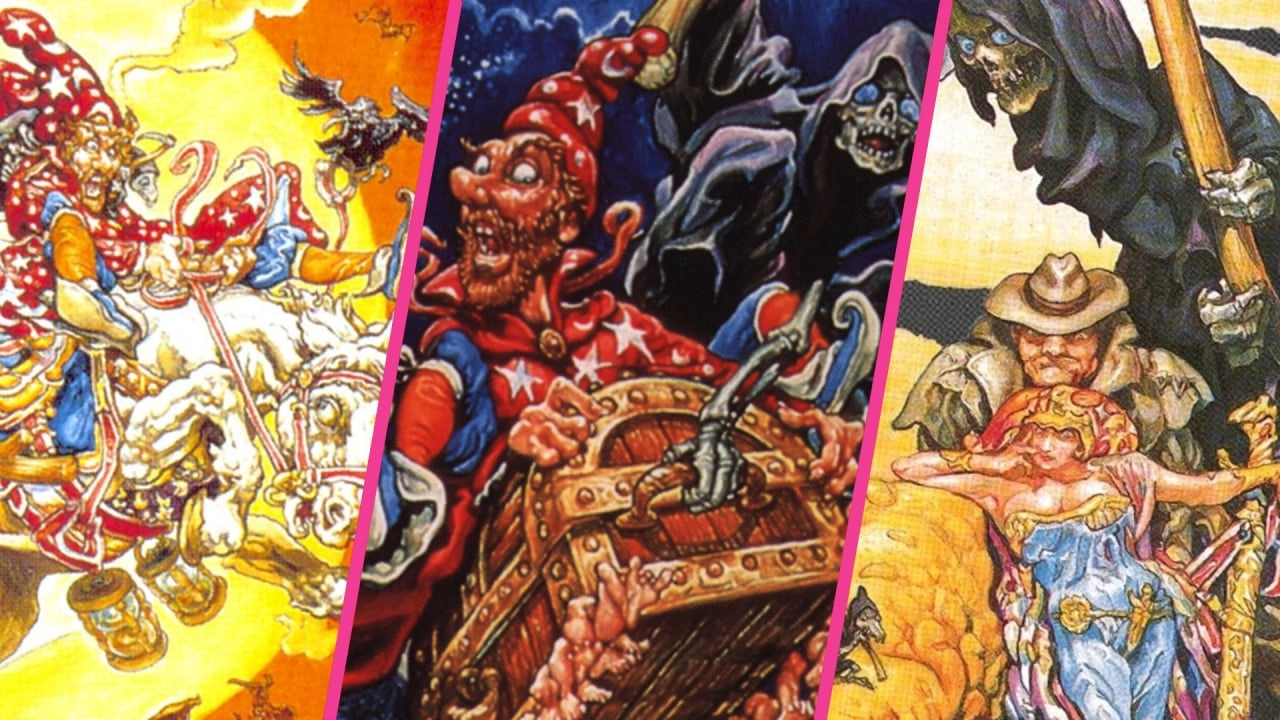
In the realm of fantasy and satire, few worlds are as beloved and expansive as Terry Pratchett’s Discworld. Sprung from the tip of Pratchett’s pen, Discworld has enraptured readers for decades with its unique blend of wit, humor, and profound storytelling. This adoration wasn't confined to books alone; in the 1990s, the series made the jump to interactive media, spawning a small but memorable collection of video games.
The games arose from a partnership between UK developer Perfect Entertainment and Terry Pratchett and enjoyed a life that paralleled the ongoing success of the books. What set the stage for these adaptations was Discworld's unique setting—a disc-shaped world supported by four elephants on the back of a giant turtle. It, and its legion of memorable characters, provided a fertile ground for video game adventures.
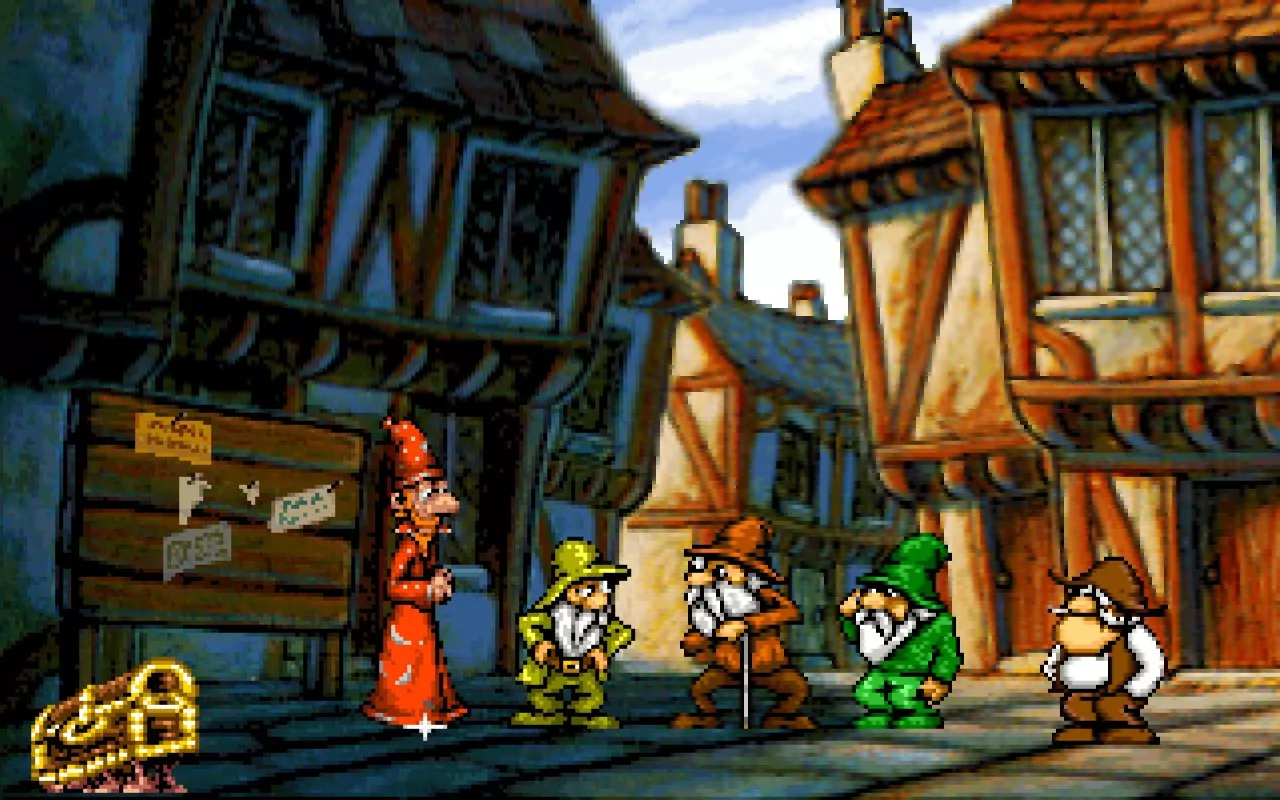
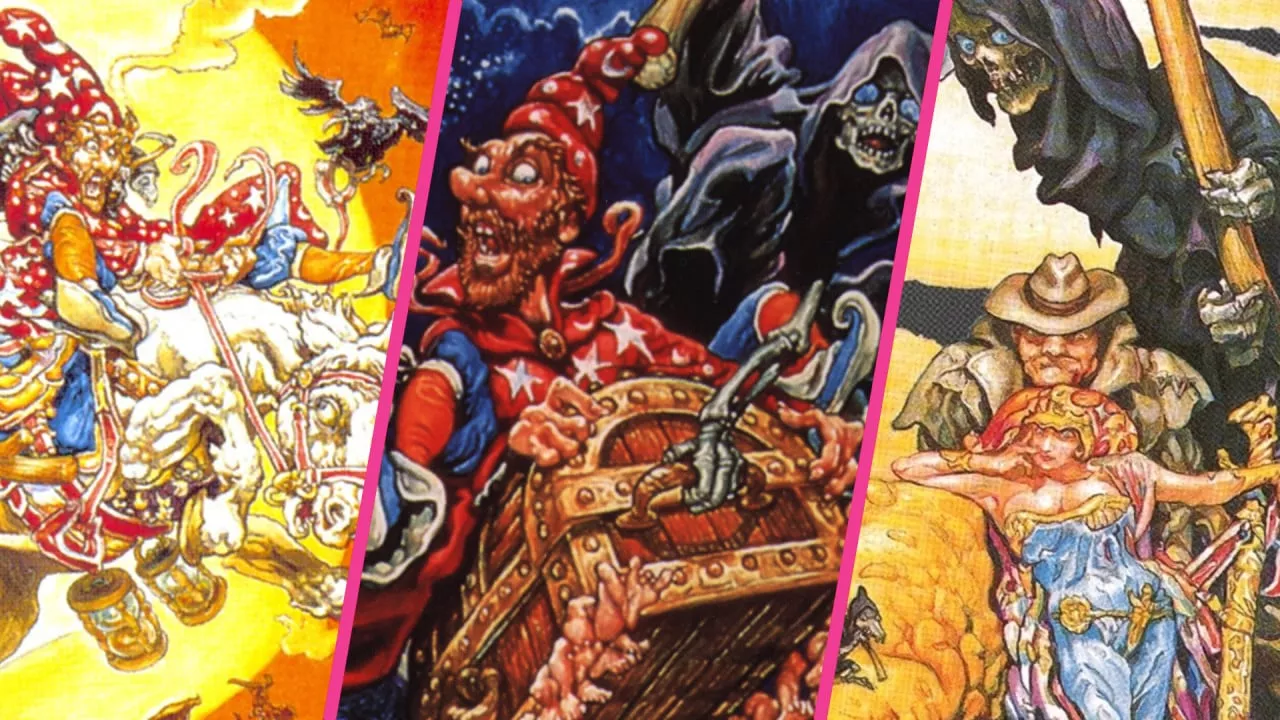
Gregg Barnett of Perfect Entertainment, the designer of the Discworld video games, played a substantial role in the games' creation. His familiarity with the Discworld books, which he had read diligently before the games' conception, allowed him to envision a game world that stood true to Pratchett’s creations. The design of their first game took shape directly from Pratchett’s ninth book, "Guards! Guards!" and the initial discussions with the author were remarkably smooth, largely due to Barnett's detailed game design document which impressed Pratchett.
The journey wasn't devoid of challenges, however. While seeking a publisher for their first game, Perfect Entertainment faced an unexpected hurdle when their initial partner, Sierra On-Line, backed out amidst financial turmoil. Yet, this led to the creation of their own game engine and eventually securing a deal with Psygnosis under strikingly pressure-filled circumstances—indeed, a case of real-life adventures mirroring the problem-solving essence of their genre.
Pratchett's involvement in the video games extended beyond contractual agreements; he was particularly interested in ensuring the games’ authenticity for the fans. For instance, he asserted the correct portrayal of the character Death, ensuring that what was developed for the game felt like a true extension of Discworld.
The casting of voice actors added another layer of charm to the games. Originally approaching John Cleese, who flatly refused, resulted in having Eric Idle of Monty Python fame voice Rincewind. His involvement seemed fitting, given the humor that underscored both Python's and Pratchett's work.
Puzzles within the first Discworld game attracted mixed reactions; some found them intriguingly challenging, while others criticized them for perceived difficulty. The peculiar aspect of this criticism was that the perceived difficulty seemed to affect experienced players more than newcomers, as the former would often try to skip steps or take shortcuts, leading to confusion.
A special treat came with the sequel, "Discworld II," where Eric Idle contributed an original song, adding further personality to the game. This collaboration was free-spirited, with Idle enjoying creative freedom to produce a song that humorously references Monty Python's "Always Look on the Bright Side of Life" with a twist fitting the game's theme.
"Discworld Noir," the third installment, represented a significant departure from the previous titles. Aiming for a more original story within the Discworld universe, the game opened up to include more distinctive takes, such as a noir-inspired take on Ankh-Morpork, the series' iconic city. This brought a fresh perspective and allowed for the inclusion of original characters and plots that complemented the established world.
Although these games have faded from the shelves, interest in rereleases and remasters lingers. Barnett revealed that rights issues are complex (part of them having reverted to him and part to the crown), but there has been active discussion about bringing the games back to modern audiences. Should these efforts materialize, they would open up Discworld to a new generation of gamers and Pratchett enthusiasts alike.
Looking back, the potential for a more profound exploration of Discworld in video games remains an enticing thought. Barnett had contemplated a project centered on the Ankh-Morpork City Watch—a procedural detective venture featuring the vibrant cast of the city. However, various media rights issues have complicated these aspirations.
Despite the hurdles, the affection for Discworld games is renewed with every mention of a possible return. They are remembered for their wit, their clever puzzles, and their faithful reflection of a universe only as extraordinary as Terry Pratchett could imagine. As whispers of re-releases rise, so does the hope of revisiting—or discovering for the first time—the magical, disc-shaped world perched atop four elephants riding through the cosmos on the back of a giant turtle.

You must be logged in to post a comment!
