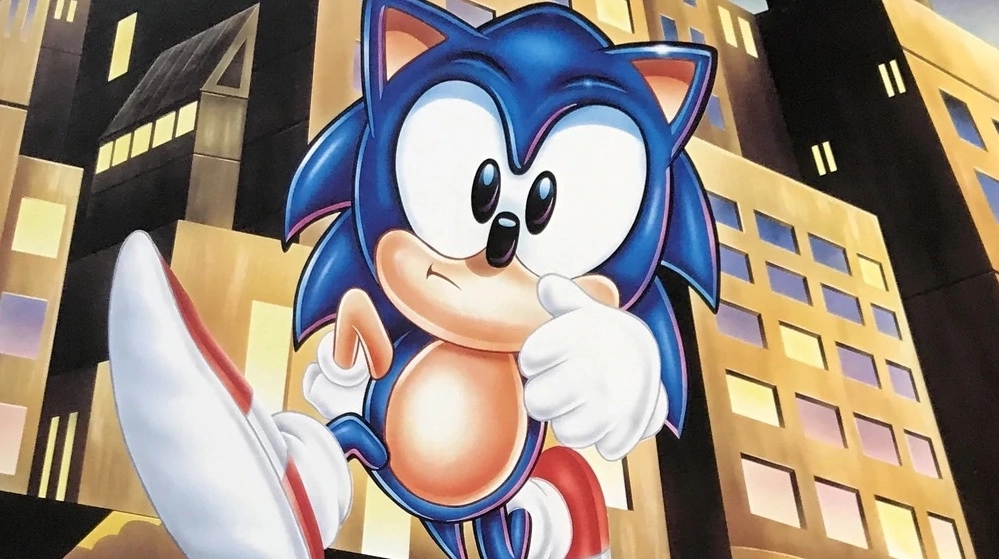
The story of how Sega’s Sonic the Hedgehog sprinted into the hearts of millions begins in the early 1990s when the video game industry was dominated by Nintendo. Sega, the underdog, decided to change its strategy for its 16-bit console, the Genesis, leading to one of the most iconic moments in gaming history — the birth of Sonicmania.
Before Sonic’s swift rise, Sega's Genesis system was fighting an uphill battle against Nintendo’s market stronghold. Sega of America’s marketing team, led by Al Nilsen, was given the task to establish the Genesis as a serious contender. Nilsen, a seasoned veteran with experience at Mattel and Hasbro, joined Sega in 1989 and quickly became a pivotal figure in the transition from selling Sega systems via-third party Tonka, to an independent approach that would soon position Genesis as a gaming powerhouse.
In a comprehensive interview, Nilsen shared insights from his time at Sega, including the initial days when the Genesis was just an idea that needed selling to both Sega of Japan and consumers. He humorously recounted how he developed a presentation that essentially argued for his own employment at the company. With a firm belief in the system, Sega of America grew from a handful of employees to a major player in the video game industry.
Among the initiatives, Nilsen was in charge of was the TeleGenesis, a modem that connected the Genesis to the telephone line, allowing for online multiplayer gaming. However, due to its slow performance and high price, the TeleGenesis was never released in the U.S., despite initial marketing efforts.
Nilsen also shared his surprising and unique interactions with Michael Jackson, who had a game deal with Sega. He described a particularly surreal meeting where he presented game designs to Jackson, resulting in a brainstorming session that lasted over an hour, highlighting Jackson’s passion for gaming and creative input that went beyond the expectations of a usual celebrity partnership.
The iconic Sonic the Hedgehog emerged from a selection process where Nilsen chose between two potential mascots—the other being an egg-shaped character. The decision to go with Sonic wasn’t an easy one, especially seeing as the original design included a rock band and a human girlfriend named Madonna. However, upon seeing Sonic in action for the first time and witnessing the revolutionary game design, Nilsen knew they had something special.
Marketing Sonic was an effort that spanned beyond just America. It was a global collaboration, peaking with the event known as ‘Sonic 2sday,’ the synchronized worldwide release of Sonic the Hedgehog 2. This coordinated marketing assualt aimed to "Sonic-ize" the globe, placing Sonic not only in gamers' minds but also in pop culture. From mall tours to CES showcases, Sonic’s electric-blue image became synonymous with speed and innovation, helping Genesis to become a household name.
This strategic move was not without its risks. Prior to the release of Sonic, Sega had closely guarded Sonic’s image, wanting to ensure maximum impact upon its release. Their strategy included an aggressive comparison campaign against Nintendo’s flagship character, Mario. Nilsen recalled how they set up side-by-side demos at the Consumer Electronics Show in 1991, pitting Sonic against the upcoming Super Mario World. Journalists and buyers alike were convinced of Sonic’s superiority, a feat largely attributed to the clarity of the difference in gameplay and aesthetics between the two games.
Nilsen left Sega and moved on to Viacom in 1993 after experiencing the changing dynamics of Sega of Japan's influence over Sega of America. He noted his move was influenced by the increased shift in decision-making power away from Sega of America, as well as his own shift in responsibilities that left him less involved with product marketing in the U.S.
The legacy of Sonic and the Genesis is a testament to the power of strategic marketing and how it can galvanize an entire industry. Al Nilsen's experiences remind us that innovative products, paired with bold and ambitious marketing, can not only challenge industry giants but also give rise to lasting icons. Sonic the Hedgehog would become more than just Sega’s mascot; he would evolve into an enduring symbol of the vibrancy and competitive spirit of the video game industry during that era.

You must be logged in to post a comment!
