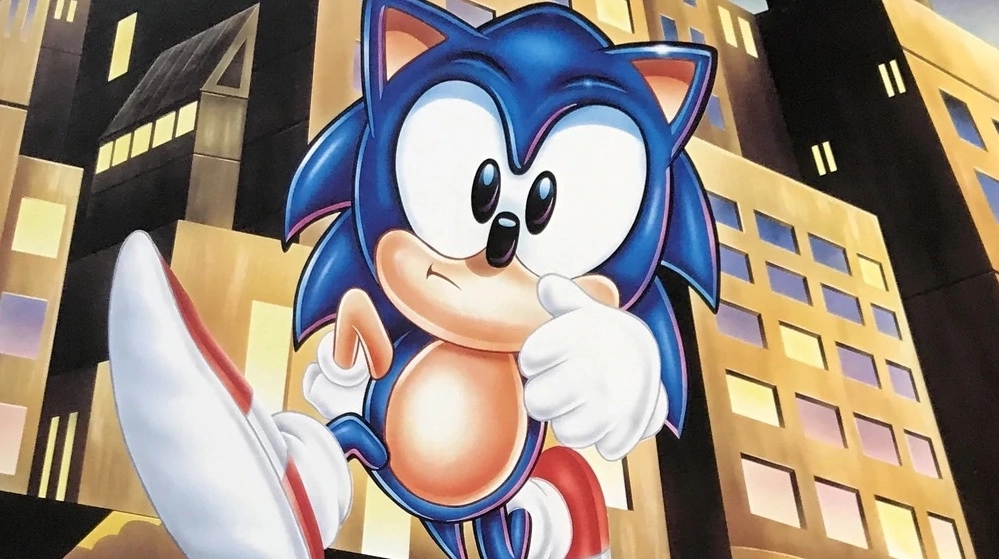
The gaming industry of the early 90s was dominated by Nintendo, but Sega sought to challenge this reign with the introduction of its Genesis console and a swift, blue mascot named Sonic the Hedgehog. Sega of America, looking to make a dent in Nintendo's market share, launched an aggressive marketing campaign to promote Sonic as a trendy alternative to Mario, the famous Italian plumber. Al Nilsen, former group director and head of global marketing at Sega of America, played an instrumental role in this endeavor.
Nilsen's journey with Sega began in 1989 after gaining significant experience with toy giants Mattel and Hasbro. His primary mission was to ensure Sonic's popularity and, by extension, boost Genesis sales. During interviews, Nilsen shared extensive insights into the conception and marketing genius behind Sonic and the Genesis.
Sega's decision to take control from Tonka, who had previously marketed the Master System in North America, allowed Sega to shape its destiny with the Genesis. As part of Nilsen’s interview process, he developed a presentation to convince Sega of Japan to trust Sega of America with the 16-bit console launch – a task that, quite literally, determined his future with the company.
Remembering the TeleGenesis modem, Nilsen recounted its potential as an exciting but ultimately impractical endeavor due to slow speeds and high costs. The modem, while innovative, did not align with the gaming experience that Sega wanted to offer with its fast-paced arcade games and sports titles.
Nilsen's role often intersected with international relations, including frequent trips to Sega of Japan for product discussions. When asked about his contact with the Japanese side, he detailed his involvement in product development and manufacturing. These interactions were crucial to the seamless release of new products and updates.
A fascinating chapter in Nilsen's career was his experience as the liaison between Sega and the King of Pop, Michael Jackson. Nilsen was responsible for acquiring Jackson's approval on the design and development of video games featuring the superstar. He recalled their first encounter, where they sat on the floor discussing the potential games – a testament to Jackson's love for gaming and creative involvement.
Explaining how he met Sonic for the first time, Nilsen described a visit to Sega's R&D where he saw the wireframe animation of something spinning at super speed. This turned out to be Sonic in the making. Nilsen was captivated by the character's speed and the colorful world he inhabited. It was clear to Nilsen that Sega had something special.
Marketing Sonic was a collaborative effort. Sega's then president, Tom Kalinske, encouraged the team to brainstorm and build off each other's ideas. Nilsen emphasized the goal of making Sonic omnipresent – captivating not just children but also their parents. The strategy involved keeping Sonic hidden as a secret weapon, ready to challenge Nintendo's impending release of the Super Nintendo and Super Mario World. Sega managed to position Sonic as a faster, more vibrant alternative, generating significant buzz and securing the hedgehog’s place in gaming history.
Nilsen also shared the ambition behind 'Sonic 2sday,' the global launch of Sonic the Hedgehog 2, which was his idea. He talked about coordinating worldwide efforts – arranging mall tours, retail setups, and promotional buses in London. Sega even packed Sonic games with their Genesis consoles, intertwining Sonic's success with that of the console itself. Remarkably, Sonic outdid Super Mario in popularity among children who previously adored Nintendo's mascot.
By 1993, Nilsen observed shifts within Sega, including increasing decisions made without Sega of America's input. Despite the company's success, particularly with Sonic 2, Nilsen departed for a new opportunity at Viacom, feeling that his hands-on influence on U.S. product development had diminished. With this exit, an era of marketing brilliance at Sega concluded, but the legacy of Sonic and the Genesis continues to resonate in the gaming world.
Nilsen’s shared memories and experiences provide a unique look at Sega's strategic marketing magic, which shifted the gaming industry's landscape and gave birth to an iconic character that remains beloved to this day. Sonic not only challenged Nintendo's dominion but also carved out his niche, creating what can truly be called 'Sonicmania.'

You must be logged in to post a comment!
