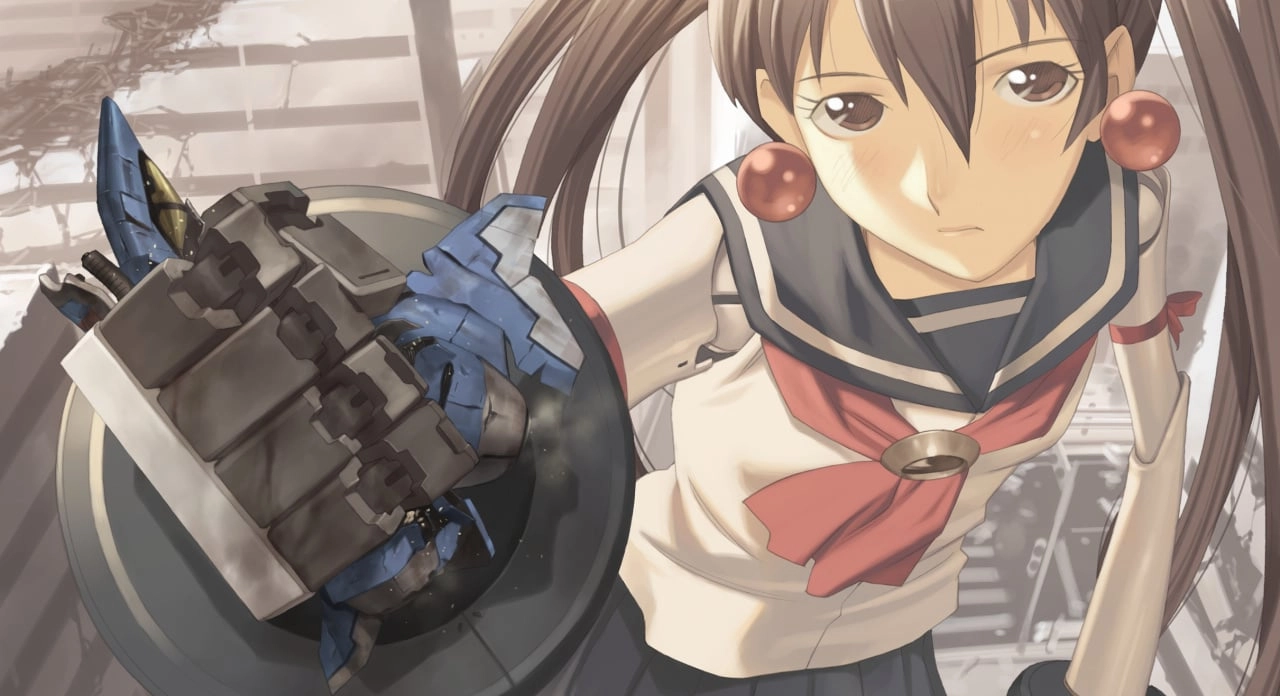
In the mid-90s, a Japanese video game developer named CAVE emerged from the remnants of Toaplan, a well-regarded '80s software company. Comprised of former Toaplan employees, CAVE crashed into Japan's arcade scene with its shoot-em-up (shmup) series DonPachi, bringing new life to a fading genre and setting the stage for the bullet hell sub-genre.
Tsuneki Ikeda, a key figure at Toaplan who had worked on pivotal titles like Grind Stormer and Batsugun, was instrumental in evolving the shoot-em-up gameplay. With this experience, he joined CAVE and played a crucial role in creating DonPachi, a game that slowed down bullet speeds but increased their numbers, thus giving birth to the bullet hell style.
DonPachi debuted in 1995, its aggressive gameplay and barrage of bullets defining a new era for shmups. It was coupled with creative storytelling and a fresh take on enemy designs, offering players exhilarating experiences amidst explosive boss battles and relentless enemy fire. The series' use of a small hitbox for the player's ship encouraged a bold, in-your-face playstyle, rewarding players for risky maneuvers and creating pulses of near-misses and triumphs.
Building on DonPachi's success, CAVE released a sequel, DoDonPachi, in 1997. DoDonPachi refined the formula with even more challenging gameplay, introducing a deeper scoring system and bringing a high level of visual feedback with its glittering lasers and point bonuses. This title continued the series' legacy of featuring hidden medals and intense boss encounters, cementing CAVE as a leader in hardcore gaming.
As the series progressed, CAVE experimented with game mechanics, graphics, and intricate scoring systems that kept the most dedicated players engaged. They released multiple sequels, including DoDonPachi II: Bee Storm developed by IGS, DoDonPachi DaiOuJou which is often hailed as a masterpiece for its dramatic gameplay and iconic soundtrack, and several others including DoDonPachi SaiDaiOuJou, the series' swansong.
The impact of DonPachi and its successors stretched well beyond Japan, drawing a dedicated following in the West. The games transformed how shoot-em-ups were perceived and played, focusing on not just survival, but also the art of scoring. CAVE games were different; they provided an immediacy that engaged players on a visceral level, demanding attention, reactions, and strategy. This dual process – survival intertwined with scoring – created an enriched gaming experience with layers that players could spend hundreds of hours peeling back to discover new strategies and gameplay nuances.
The ethos of CAVE and the DonPachi series was the small margins for error and the player's resilience against overwhelming odds. This philosophy, along with innovative game mechanics and adrenaline-inducing gameplay, left an imprint on the genre, influencing countless games that followed.
Fervent fans continued to seek out the series' games long after their peak, leading to CAVE's shmups commanding high prices on auctions and in collectors' circles. This fervor also led to a degree of longevity, with new players discovering the series through various console ports and digital re-releases over the years.
The DonPachi series stood as a testament to the idea that intricate and well-thought-out game design can form an evergreen appeal. These games provided more than just a challenge; they provided a sense of mastery and accomplishment that could not be easily replicated. As a result, the legacy of DonPachi and CAVE's contribution to the shoot-em-up genre remains secure, respected by generations of gamers and developers alike.

You must be logged in to post a comment!
