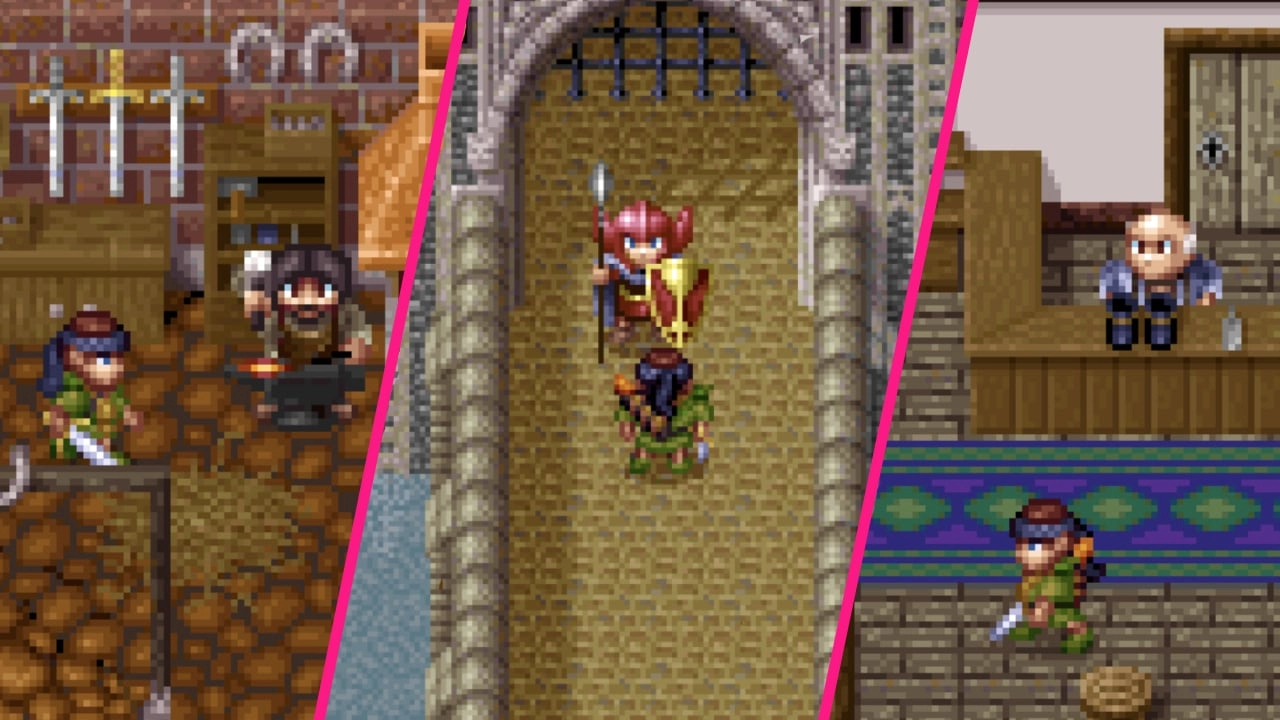
During the early 90s, a budding excitement filled the video gaming community as Team17, a developer and publisher based in Wakefield, announced the development of Witchwood, an RPG that aspired to be better than Nintendo's storied series, The Legend of Zelda. Intended for the PC and potentially other platforms such as Amiga, Playstation 1, Sega Saturn, and Atari Jaguar, Witchwood's announcement stirred up considerable anticipation among gamers eager to witness Team17's take on the RPG genre. But despite the initial buzz, a few years down the line, Witchwood was unceremoniously shelved, leaving fans in the dark about the game's fate.
For years, the story and details of Witchwood remained obscure, known only through past screenshots and scant magazine features. The early 2000s offered little information until 2012 when a VHS trailer and a playable tech demo rekindled interest in what had become a virtual legend. Adding to the revival of Witchwood's tale was a video released in 2019 by YouTuber Perifractic, providing gamers with a window into what could have been.
While Team17 was initially believed to be the sole force behind Witchwood, it came to light that Synergy Software, a small outfit from Fleet, Hampshire, was the principal developer. This revelation emerged from a minor note in an issue of PC Games magazine, stirring up curiosity about the mysterious 'Synergy'. Research led to contact with former Synergy developers, including programmer Colin Surridge, now at Team17, and co-founder Martin Severn. Their insights would finally shed light on the game that never was.
Synergy Software had its origins in 1991 following the closure of Interceptor Micros' budget label Players Software. Hoping to keep the displaced team united and gainfully employed, Severn, along with his brother Andy and a handful of others, set up Synergy. Initially handling work-for-hire projects, Synergy eventually sought more ambitious endeavors, having been inspired by the success of titles like The Legend of Zelda: A Link to the Past. Hoping to capitalize on the PC gaming market, they began conceptualizing Witchwood, setting their sights on overcoming the era's RPG shortcomings such as unintelligent AI and repetitive NPC dialogue.
Their vision for Witchwood included fixating on details they felt were lacking in Zelda, such as smarter monster behavior and more engaging character interactions. As development progressed, Team17 signed on to the project, which led to grandiose announcements of forthcoming ports. However, according to Severn and Surridge, plans for these ports never materialized, and the development remained strictly PC-oriented.
Witchwood was not merely set out to replicate Zelda's formula but aimed to infuse British folklore and history into its storytelling. The narrative revolved around a vengeful witch, executed by villagers, who returned in the form of a menacing tree. The protagonist, a hero named Pip, embarked on a quest to eradicate the witch's blight, liberating the town and its environs from her malevolent grip. Featuring an RPG inventory, shops for purchasing gear, and a larger quest to free the world from the witch's curse, Witchwood proposed an experience distinctly its own while still carrying the aroma of the genre's classics.
As development went on in 1994, challenges began to mount. Despite moving Synergy's team to Team17's offices for closer collaboration, significant progress remained elusive. The team managed a sophisticated tech demo displaying various game areas but struggled to pin down the full scope of the game. This sluggish pace, coupled with the meteoric rise of Worms - another Team17 project that proved to be a financial goldmine - eventually led to tough decisions being made.
Debbie Bestwick, Team17's owner, would later reflect on the difficult choices that had to be made, noting that projects like Witchwood, though promising, had to be axed in favor of surer bets like Worms.
Though the cancellation of Witchwood might have been disheartening, the developers understood the business realities. Synergy, after all, had lacked a definitive plan for Witchwood's completion. After Team17 officially pulled the plug in 1995, former Synergy staff members transitioned to other roles within the industry. However, the legacy of Witchwood persisted, continuing to peek through in select gaming magazines until its quiet disappearance.
Decades later, thanks to the diligence of enthusiasts and archivists, the remnants of Witchwood, including Synergy's tech demo, have been preserved for posterity online, offering a glimpse at a game that carried the potential to redefine an era's RPG landscape but ultimately became a footnote in the annals of gaming history.

You must be logged in to post a comment!
