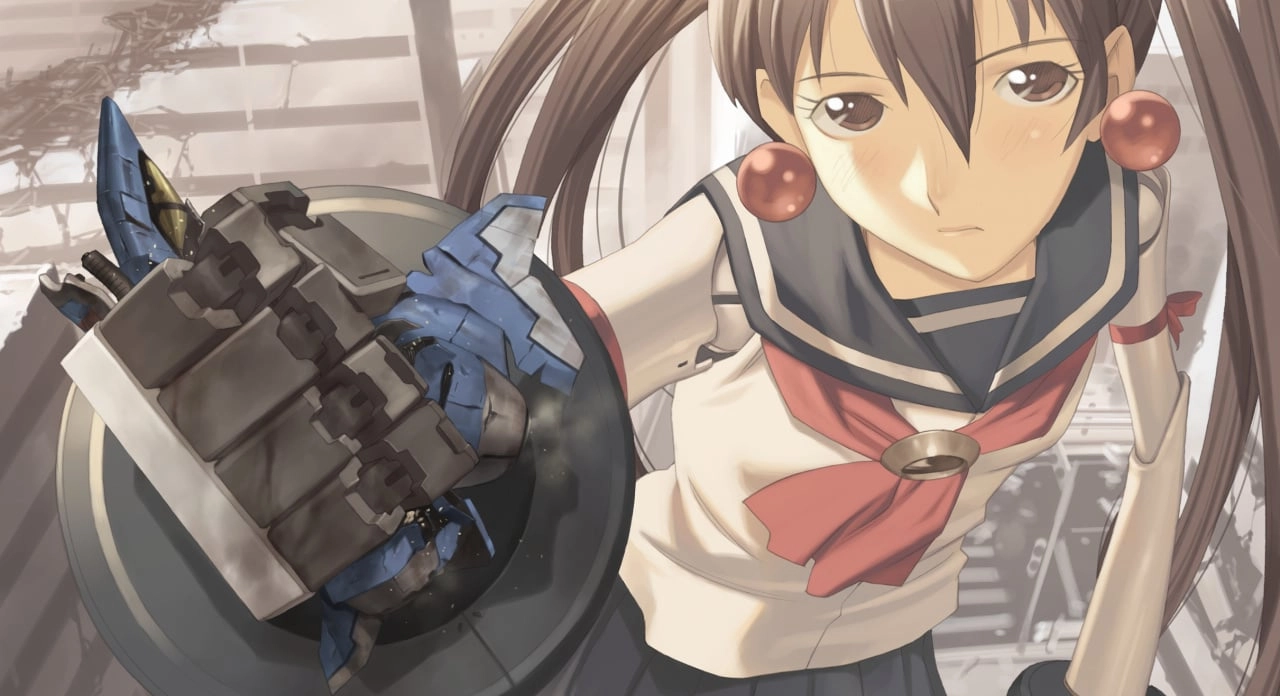
In 1995, CAVE Co. Ltd., a new force in arcade gaming, blasted onto the scene with a fury that would leave an indelible mark on the shoot-em-up (shmup) genre. CAVE, formed by veterans from Toaplan—an acclaimed '80s game developer—invigorated the shoot-em-up space with their trailblazing series, DonPachi.
The bullets began to fly with their 1995 release, DonPachi, a game that built upon Toaplan's final opuses, Grind Stormer and Batsugun. Tsuneki Ikeda, often known by his moniker "IKD," played a pivotal role in shaping the games' innovative direction. Ikeda's work introduced the 'bullet hell' sub-genre, characterized by slower bullet speeds but an overwhelming increase in their number, challenging players with torrents of projectile patterns.
The original DonPachi, with its brazen, non-stop action and memorable expletive-filled boss rants, showcased a design philosophy that would define CAVE's legacy. Armed with five stages, three ship types, and a scoring system that rewarded bravery and precision, DonPachi attracted a devoted following. It laid the groundwork for CAVE's distinctive approach to game design, such as a small player-ship hitbox and equally reduced bullet collision areas, which allowed players to weave through storms of bullets—a seemingly impossible task at first glance.
The sequel, DoDonPachi in 1997, refined the original's formula, enhancing every aspect from visuals to audio. This title bolstered CAVE's reputation, providing an even more intense and rewarding experience that outshone the revered Ikaruga in the eyes of many shmup aficionados. DoDonPachi, with its enhanced scoring and bombastic action, was no longer just a hit; it became a legend.
As the years progressed, CAVE continued to push boundaries. In 2001, DoDonPachi II: Bee Storm, developed by IGS, struggled to uphold the legacy despite its commercial success. Nevertheless, it convinced CAVE to adopt IGS's PolyGame Master hardware and spurred further innovation, culminating in what many consider CAVE's magnum opus, DoDonPachi DaiOuJou in 2002. An intense, impeccably balanced game, it represented the zenith of the bullet hell genre, blending art and action into a compelling whole.
Evolution continued with DoDonPachi DaiFukkatsu in 2008, which divided audiences with its auto-bombing mechanic for beginners while warming the hardcore crowd with its complexity and depth. With its ship variations and intricate scoring systems, it was a beautiful mosaic of chaos that satiated both veterans and newcomers alike.
The series' swan song came with DoDonPachi SaiDaiOuJou in 2012. It was the finale for CAVE's arcade adventures, returning to a simpler structure while maintaining the relentless, adrenaline-fueled action that fans adored. It boasted cleaner sci-fi aesthetics and even tougher boss fights that dared the bravest pilots to defeat them.
As CAVE left the arcade world, their games continued to resonate with gamers everywhere. These games were more than a test of survival; they required a union of precision and strategy that could turn minutes into hours of passionate play. The scoring mechanisms added labyrinthine depth, rewarded with the rush of dodging bullets and chaining high-scores—an experience unmatched in its appeal.
Despite the end of CAVE's arcade era, their titles remain essential for their unique balance of minimal survival gameplay and intricate scoring. They crafted experiences rooted in the pure joy of defying odds and reimagined a genre that many thought had lost its spark. The DonPachi series, now a cherished memory of gaming's past, encapsulates a golden age of shoot-em-ups—a time when a cacophony of bullets and the thrill of the arcade were all that mattered.

You must be logged in to post a comment!
