In the late 1990s, the arcade business faced an existential threat as home gaming consoles began to offer the same, if not better, level of graphics and gameplay that were once unique to arcades. Namco, a titan in the arcade industry, faced this dilemma head-on. Born during the golden age of arcades, Namco had found great success with their entertaining and innovative titles. However, as technology progressed, they found themselves at a crossroads. The PlayStation era, in particular, brought with it a profound challenge, one that Namco scrambled to meet.
During the time that the PlayStation One became prevalent, Namco had already earned a reputation for top-notch video game publishing. They leveraged their expertise to release incredible home console versions of their popular arcade games. This was, in part, facilitated by their creation of the System 11 arcade board—done in a mutual partnership with Sony. The collaboration indeed bore fruit as it not only helped improve the quality of the System 11 but also facilitated the adoption rate of the PlayStation console, which featured several Namco arcade titles as launch games.
This partnership, as beneficial as it was, came with its drawbacks. The former Namco US product manager, Jerry Momoda, shed light on the situation, stating that this closeness between Namco and Sony inadvertently hastened the decline of the arcade business. With PlayStation offering an arcade-like experience at home, consumers found it unnecessary to visit arcades. The commodification of arcade quality experiences into home consoles marked the beginning of arcades losing their charm and novelty.
Recognizing the impending doom of the coin-operated game model, Namco pioneered a desperate yet innovative tactic to keep its arcade flame alight. The company shifted its focus toward developing games that offered unique experiences that home consoles could not replicate. These experiential games had special controls and cabinet configurations that could only be enjoyed in the arcade setting—essentially becoming location-based attractions.
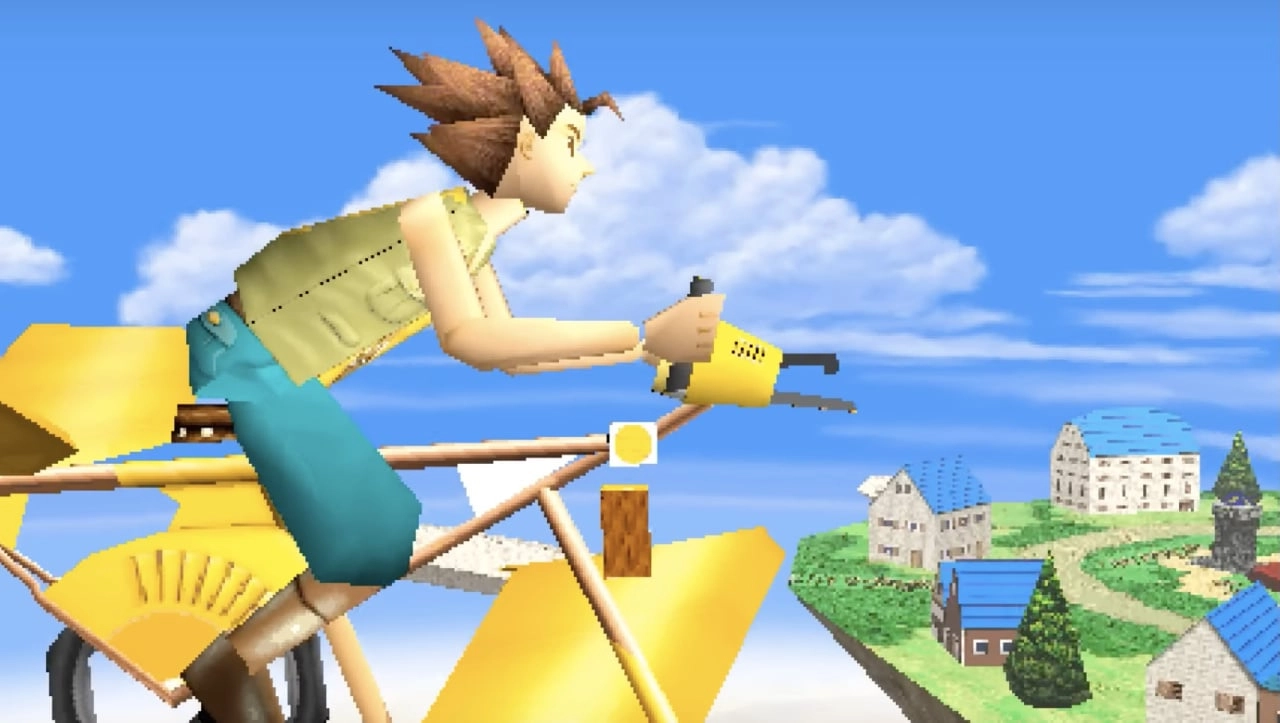
Titles like Prop Cycle, which required players to pedal a self-propelled glider, and Alpine Racer, a skiing game with an actual handlebar controller with rotating foot pedals to mimic skiing movements, are prime examples of Namco's new approach. Though games such as these were well-received and ingeniously designed, it is noteworthy that these types of games also highlighted a critical aspect of game design: players are not necessarily athletes, and while exercise could enhance the gameplay experience, it also limited the audience to those physically capable and willing to engage in physical exertion.
Despite Namco's attempts to revitalize its arcade business, the sheer profitability of the console market overshadowed the coin-op model. The decline in arcade sales eventually led to restructuring within Namco, which resulted in many layoffs, including Mr. Momoda. This marked a significant shift for the company and for those who had worked closely on successful projects, like the Tekken series.
The changes experienced by Namco reflected a broader change within the gaming industry. The decline of arcades signaled a shift in how people preferred to engage with games. Namco's strategies illustrated the constant push for innovation that the gaming industry demands. While not all attempts to stave off the decline were successful, they demonstrated Namco's determination and willingness to adapt to an ever-changing landscape.
Namco's efforts to carve out a niche in the market with unique, immersive experiences helped to prolong the relevance of arcades, even if it could not completely counteract the rise of home gaming systems. The story of Namco and its battle against the tide of technological advancement gives insight into the adaptive nature of the gaming industry and the need for constant innovation and re-invention. It also serves as a poignant reminder of an era when arcade cabinets were king, offering experiences that were, for a time, unmatched in the comfort of one's home.

You must be logged in to post a comment!
