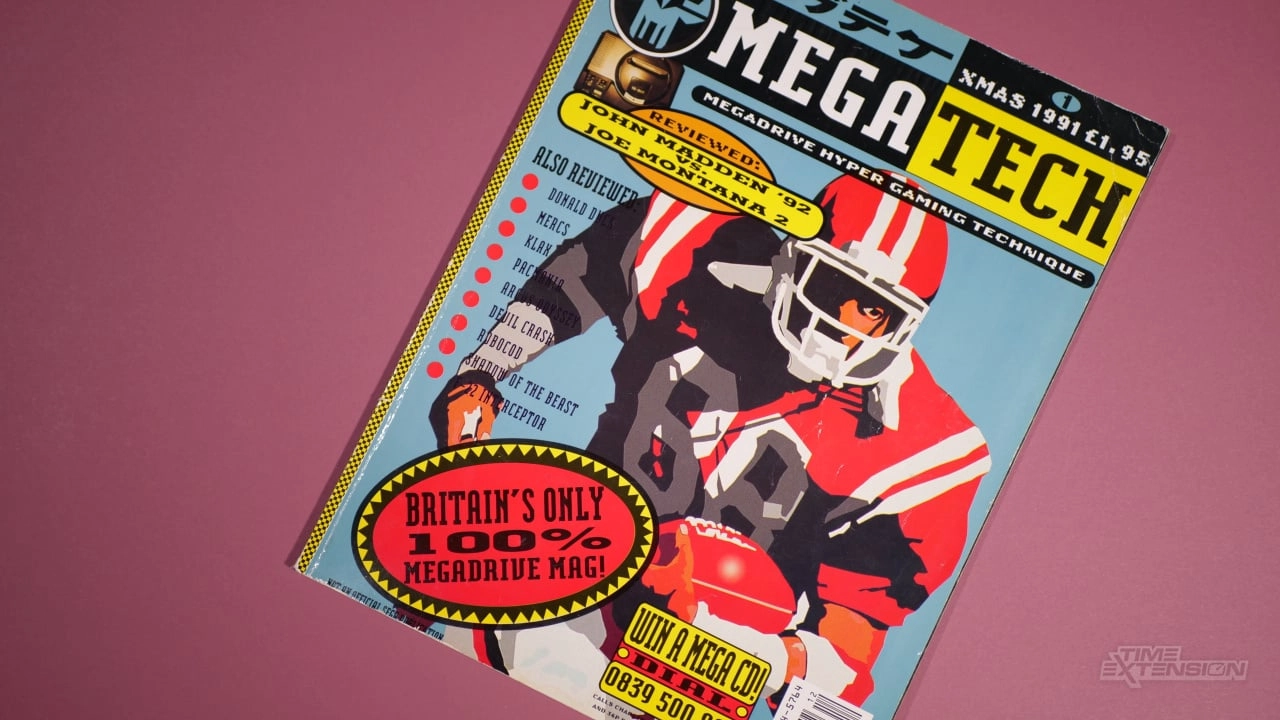
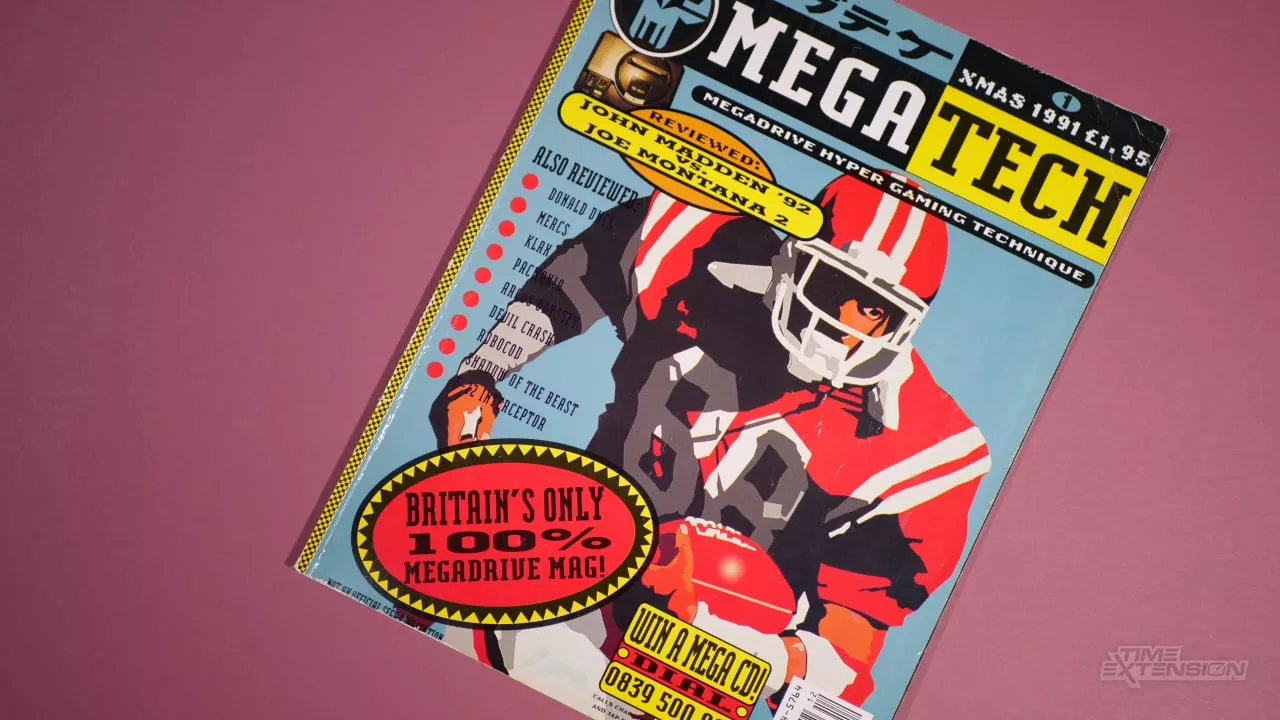
The early 1990s were an exciting time for video game enthusiasts, especially in the United Kingdom, where the Sega Mega Drive was rapidly gaining popularity. It was during this burgeoning era of gaming that publisher EMAP, already proficient with titles like Computer & Video Games and Mean Machines, decided to tap into the market's momentum. As Christmas 1991 approached, they introduced a groundbreaking publication; MegaTech Magazine, one of the first Western magazines to solely focus on a single console.
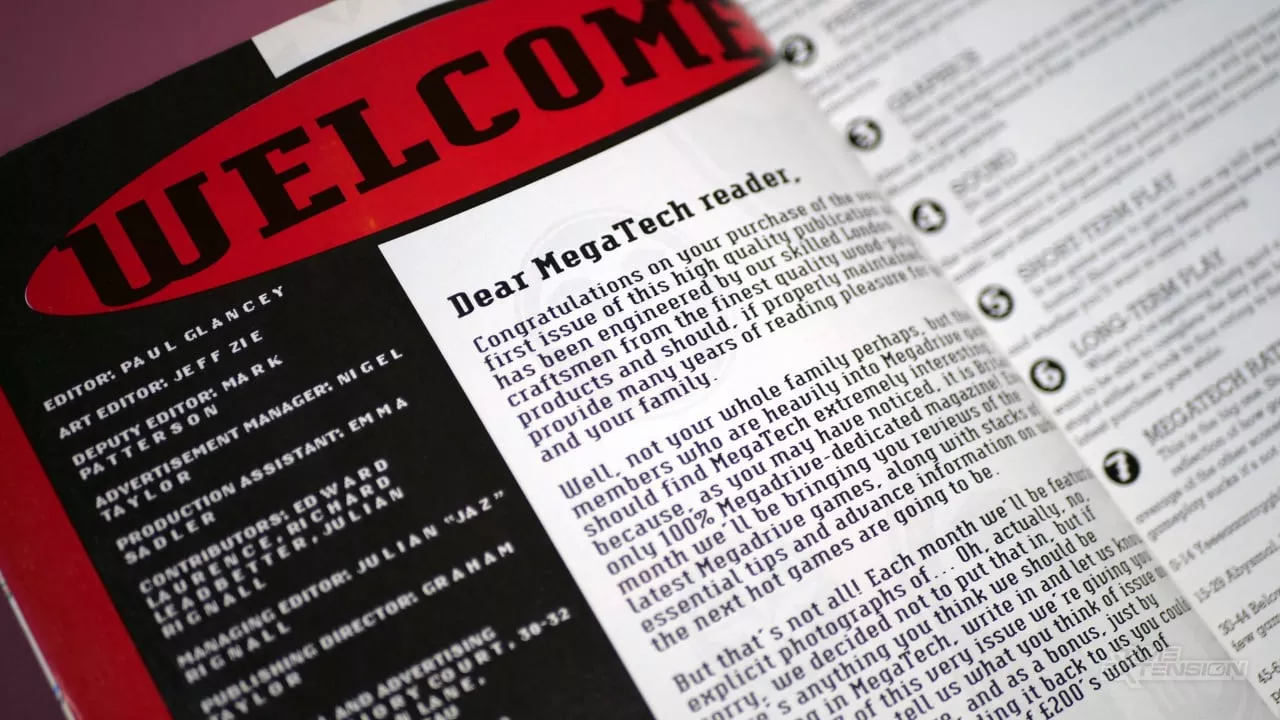
MegaTech wasn't just any gaming magazine; its inception was a strategic and bold move. EMAP saw the potential within the growing Mega Drive community and launched a specialized outlet to cater to this audience. The debut issue of MegaTech was ushered into existence by a team of esteemed journal veterans: Paul Glancey, well-known for his work with C&VG and Mean Machines, who would also contribute to the creation of titles like Burnout and Split/Second; along with Mark Patterson, Ed "Radion Automatic" Lawrence, Julian "Jaz" Rignall, and Richard "Digital Foundry" Leadbetter.
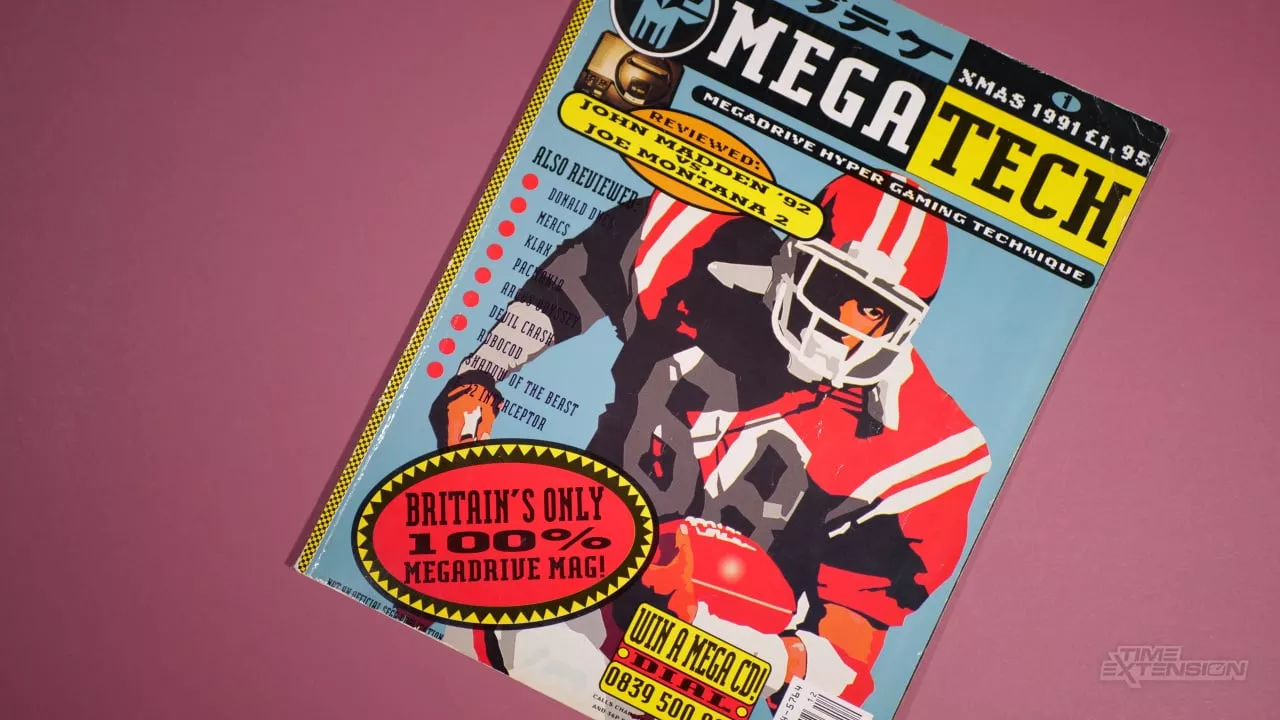
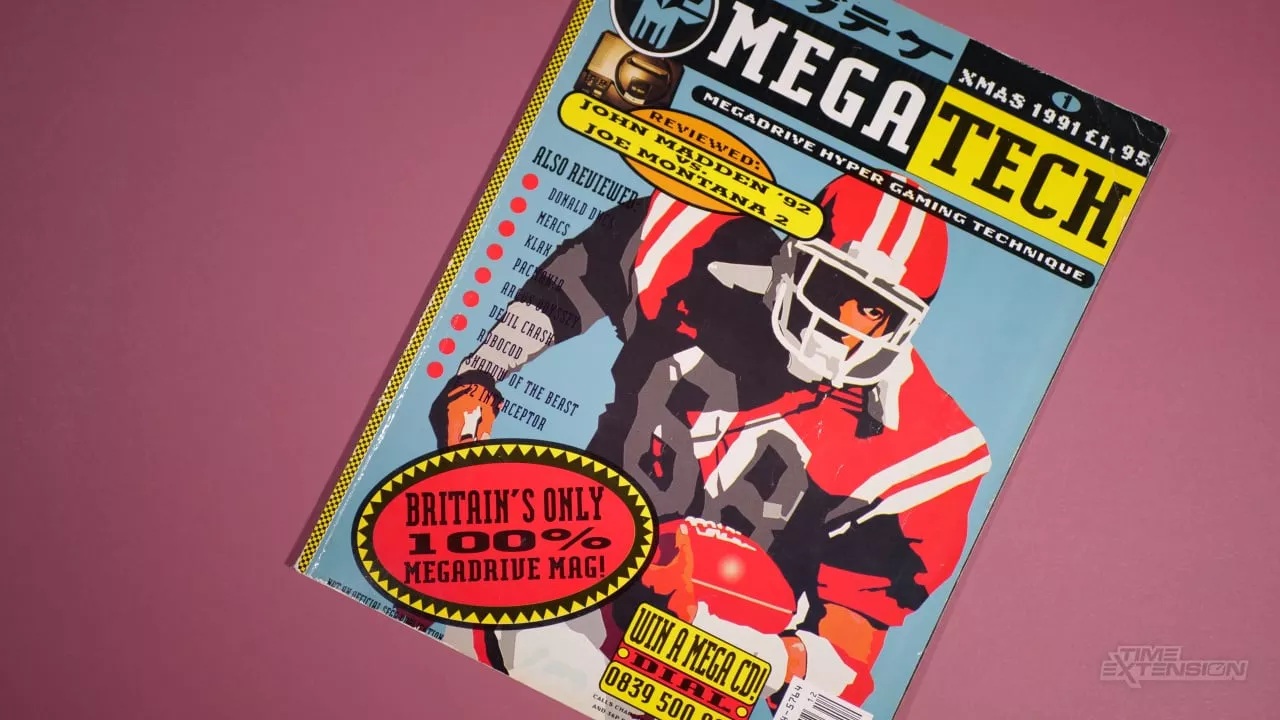
From the get-go, MegaTech set itself apart from other offerings by EMAP. Its visual style was distinctive, with futuristic fonts and an attention-grabbing skull logo, projecting a more mature vibe compared to other publications of the time. It embraced a sleek, clean layout, which was a departure from the typical design of magazines in that era. MegaTech hit the ground running, and it was clear it would become a stalwart in the gaming industry.
Issue one of MegaTech made quite the entrance. The cover featured John Madden '92, which became an impressive highlight with a 95% rating. Such high praise for an American football game, which carried a niche interest in the UK, spoke volumes about the magazine's influence and the confidence in its reviews. Other games like Quackshot earned a commendable 82%, and The Immortal, an action-adventure RPG, garnered a 93% rating. Another hit was Devil Crash MD, also scoring 93%, further showcasing the magazine's knack for identifying quality games on the Mega Drive.
As the magazine evolved, its scope widened to include coverage of the Mega CD. Issue two demonstrated this expansion by dedicating significant space to the add-on, even though the Mega CD would face a challenging market reception. MegaTech continued to be a relevant source of Sega-focused gaming content until 1995. By that time, EMAP had already transferred ownership to Maverick Magazines due to an upsurge in Sega publications, including Mean Machines Sega and Sega Magazine. Nevertheless, Maverick continued to invest in the Mega Drive market, which speaks to the console's dominant presence and MegaTech's role in representing that sector of the gaming industry.
Reflecting on MegaTech's legacy, it's easy to see that it was more than just a magazine; it was an integral part of the UK gaming community. It captured the essence of a particular time in video game history, one where print media was a primary source of information for game reviews, news, and features. The magazine's targeted approach, focusing exclusively on the Sega Mega Drive, was a testament to the console's impact and the dedicated following it had cultivated.
Looking back, MegaTech Magazine can be remembered as a trailblazer, a publication that dared to carve out a niche in a diverse and competitive field. It served as a valuable resource for gamers, providing in-depth coverage, honest reviews, and a connection to a broader community of Mega Drive enthusiasts. For many, MegaTech wasn't just a monthly read—it was a collector's item, a piece of personal gaming history, and a reminder of a time when video game journalism was itself leveling up.
Today, MegaTech's influence can still be felt. It's a symbol of a significant chapter in the evolution of gaming culture, especially within the UK. The magazine and its editorial team undoubtedly played a part in shaping the gaming landscape and perpetuating the Sega Mega Drive's legendary status. For those who experienced the MegaTech era, it remains a nostalgic and cherished memory, a reflection of a time when the thrill of a new console and its library of games was something truly special.


You must be logged in to post a comment!
