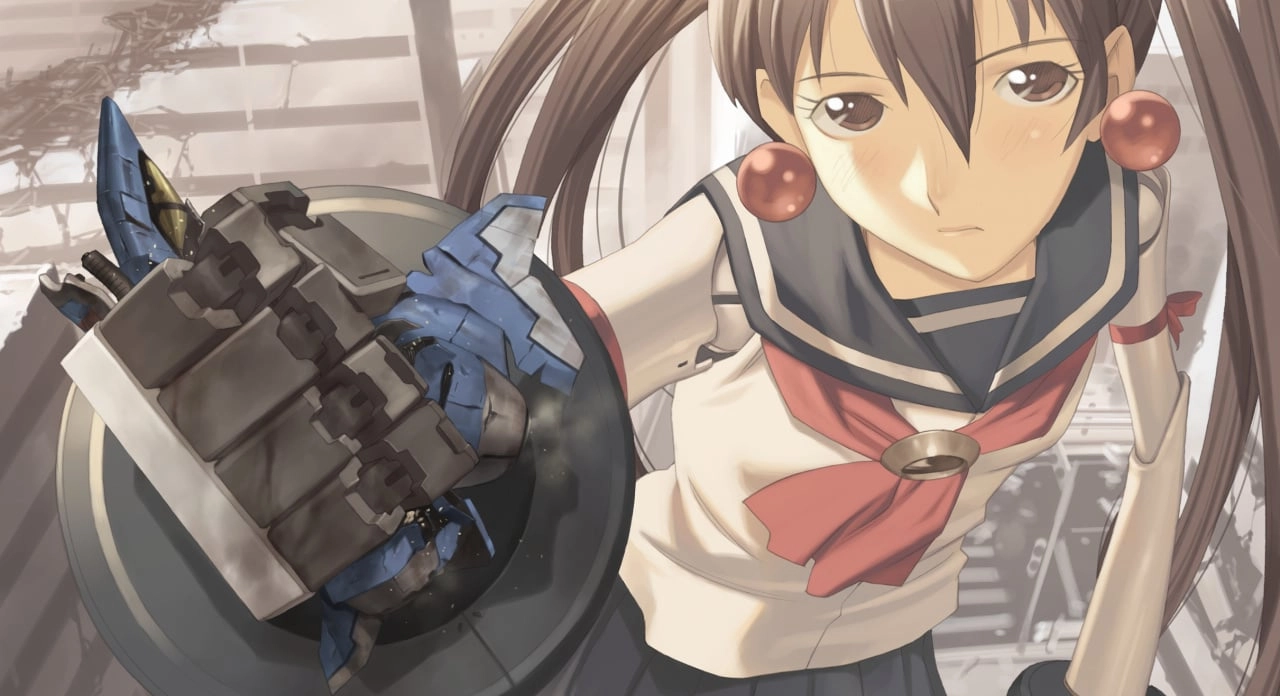
The shoot-em-up genre, often abbreviated as shmup, experienced a significant evolution in the mid-1990s when an emergent Japanese game developer, CAVE, introduced a revolutionary series known as DonPachi. This series energized the shmup scene with its innovative gameplay and intricate design, leaving an indelible mark on the genre and gaming culture as a whole.
CAVE's inception was rooted in the demise of Toaplan, a prominent '80s software developer. Several former Toaplan employees, including programmer Tsuneki Ikeda, formed CAVE Co. Ltd in 1995. They brought with them the seeds of a new sub-genre: bullet hell, or danmaku. This style of shoot-em-up is characterized by slower bullet speeds paired with a vastly increased number of projectiles on screen.
Ikeda’s vision materialized with the release of their first title, DonPachi, in 1995. The game presented an aggressive standoff between the player and relentless enemy forces, a storm of bullets filling the screen, demanding precision and unyielding focus. Ikeda rapidly became both lead programmer and manager at CAVE, an exceptional role given the typical hierarchical structures in Japanese companies.
DonPachi was a stark contrast to the rise of 3D gaming; it stuck to pixel-driven aesthetics and showed that there was still an appetite for hardcore 2D shoot-em-ups. While other developers like Raizing and Psikyo began to fade, CAVE captured the hardcore gaming audience, becoming a symbol of cool within the niche.
DonPachi, along with its successors, established a formula that CAVE would refine and expand upon over the years. They featured a selection of ship types, intense boss encounters, and deep scoring systems that resonated with score hunters and high-level players. The "bullet hell" style pioneered by CAVE revolved around a player-ship with a tiny hitbox navigating similarly proportioned spaces among a maze of bullets, creating a tension-filled gameplay experience that fostered accomplishment and an adrenaline rush.
DonPachi offered new gameplay mechanics, including targeting off-screen enemies and using your ship’s laser as a defensive mechanism. The weapons system, which included a powerful but speed-reducing laser, introduced a strategic element to the shmup gameplay, balancing risk and reward. This was all set against the backdrop of an intense, arcade-style action, accompanied by creative art design.
The critically acclaimed 1997 sequel, DoDonPachi, built upon this foundation, increasing the intensity. It showcased more elaborate enemy patterns, bigger lasers, and a scoring system that required in-depth strategic planning to maximize. DoDonPachi is often remembered for its distinct audio-visual style and its challenging, yet fair gameplay.
As the series progressed, subsequent titles like DoDonPachi DaiOuJou and DoDonPachi Resurrection further refined the formula with varying gameplay mechanics, such as auto-bombs and multiple ship attack styles. These additions aimed to accommodate a broader range of players, from newcomers to the genre to the shmup veterans.
The last entry in the series, DoDonPachi SaiDaiOuJou, released in 2012, served as a grand finale of sorts for both the series and CAVE's presence in the arcade shmup scene. It simplified the formula, returning to the roots laid by earlier titles in the series, while still presenting a visually stunning and gameplay-intensive experience.
Throughout its history, the DonPachi series became synonymous with the bullet hell genre and served as a bridge connecting the shmup legacy of the past with modern expectations. Each game in the series was not just another title but a testament to CAVE's commitment to pushing the boundaries of what a 2D shoot-em-up could be.
Today, DonPachi and its sequels stand as classics, emblematic of an era where dedicated developers and enthusiastic communities could keep a seemingly outmoded form of gaming not only alive but vibrantly kicking. The precision and artistry of CAVE's work continue to influence game designers and players.
The DonPachi series remains a remarkable chapter in gaming history, a series that challenged players to embrace the chaos, to find order in the disorderly, and to achieve acrobatic feats of digital survival against colossal odds. For many, CAVE wasn't just another game developer but an institution that redefined the potential of the shmup genre, leaving behind an inspiring legacy for future generations.

You must be logged in to post a comment!
