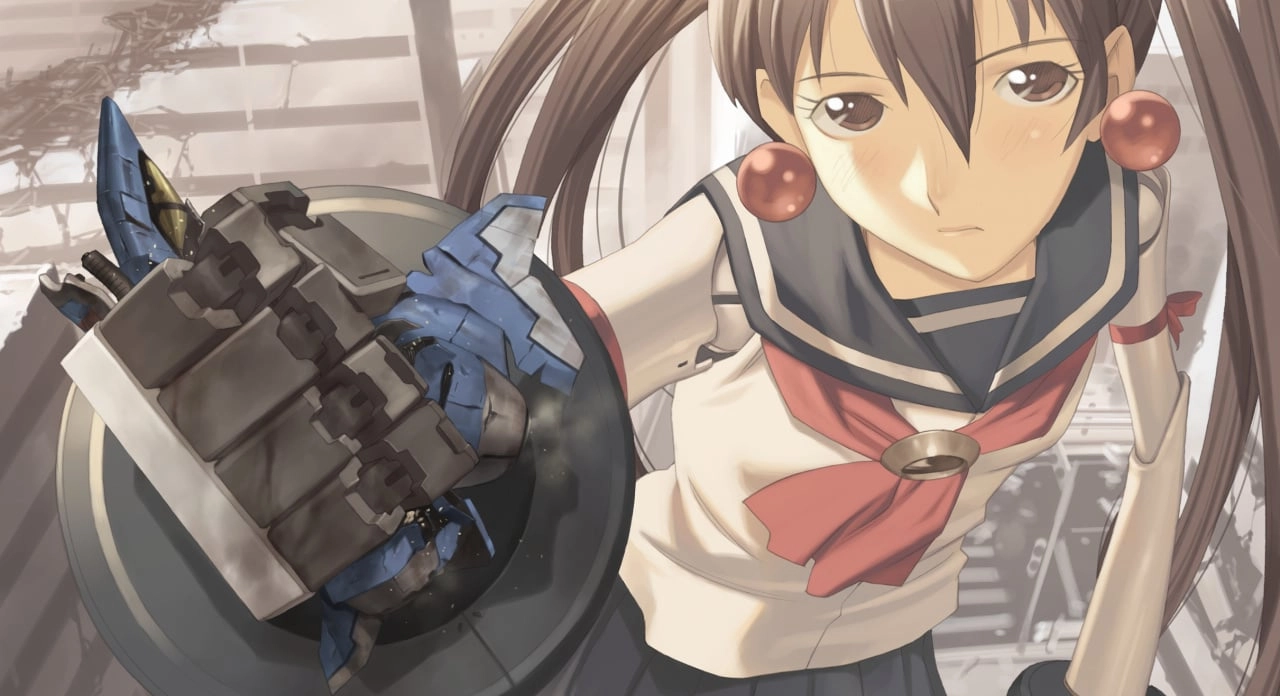
The history of the DonPachi series encapsulates the very essence of the shoot-em-up (shmup) genre's tenacity and innovation. Spearheaded by Tsuneki Ikeda, a developer from the distinguished '80s gaming company Toaplan, DonPachi rose like a phoenix from Toaplan's closure. Together with former colleagues, Ikeda founded CAVE Co. Ltd. in 1995 and unleashed on Japan's arcade scene with a fresh perspective on shmups that would soon take the world by storm.
At a time when the arcade dominion was slowly waning, CAVE's entry reignited a passion for shmups, introducing the world to a more aggressive and visually complex form of gameplay. Ikeda, having made his mark co-programming influential games like Grind Stormer and Batsugun, brought forth the sub-genre 'bullet hell'—a shmup style characterized by slower, but densely packed bullet patterns that demanded superior agility and precision.
DonPachi debuted in 1995 and immediately set new standards for the genre. Players navigated a maelstrom of bullets, carving paths of destruction across five high-octane stages. Orchestrating a brand of aggression that blurred the lines between player and enemy, the game became a relentless, adrenaline-pumping experience. Art designer Junya "Joker Jun" Inoue, who had previously worked on Toaplan's Batsugun, contributed to the franchise's unique visual flair, which would become a staple of CAVE's titles.
The game's nuance was found in its intricate scoring system, multiple ship types, dynamic enemy waves, and innovative mechanics like 'suicide bullets'. The challenge was equally relentless, with players threading their ship through impossibly tight bullet patterns due to finely tuned hitboxes—a design ethos that would come to define CAVE's approach to shmups.
As DonPachi's popularity soared, several sequels followed, each one refining and expanding on the series' winning formula. DoDonPachi, in 1997, increased the action and depth, streamlining the original's mechanics and offering even greater visual feedback with larger explosions and more pronounced point bonuses. Over the years, the DonPachi series continued to evolve, with titles like DoDonPachi DaiOuJou in 2002 and DoDonPachi SaiDaiOuJou in 2012 sending fans into bullet hell bliss.
CAVE's games played with aggression and precision, rewarding players for mastery over chaos. The company's ability to create deeply rewarding and layered game mechanics attracted a devout following. As enthusiasts and collectors traded and sought after rare arcade pieces, including elusive CAVE PCB's, the company's influence was felt globally, even as their games were seldom released outside Japan.
With the emergence of digital distribution and ports brought to consoles and mobile devices, CAVE's masterpieces like DoDonPachi Resurrection became accessible to a broader audience. Despite variations in port quality, fans were able to experience CAVE's legacy, engaging with games that required deliberate movements and flawless execution.
Sadly, all good things come to an end, and as the arcade heyday made way for home consoles and mobile gaming, CAVE's distinct brand of shmup began to fade. DoDonPachi SaiDaiOuJou was both an end and a tribute—a blissful conclusion to a remarkable run of games that forever changed the arcade landscape. Even the most ardent fans acknowledge that the series, along with the genre it so boldly defined, might never see such halcyon days again.
Despite CAVE's departure from the scene, the enduring appeal of the DonPachi series speaks volumes of its impact. The fusion of survival and scoring, of adrenaline-fueled highs met with visual operatics, ensures that these games remain timeless. Shmup enthusiasts still celebrate CAVE's meticulous craftsmanship, returning time and again to dance through a whirlwind of projectiles, striving for that perfect run, reminding us all why DonPachi will forever resonate in the halls of gaming history.

You must be logged in to post a comment!
