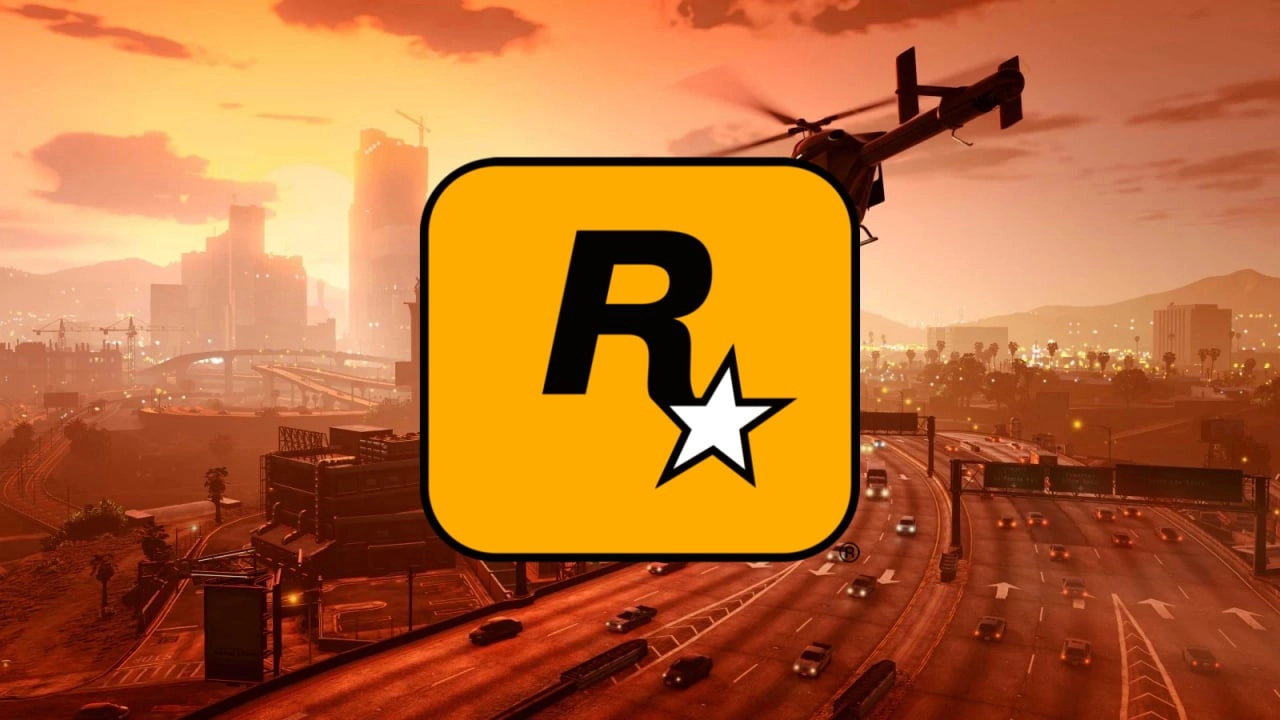
The Rockstar logo has become a symbol synonymous with blockbuster video games, immediately recalling hits like Grand Theft Auto V and Red Dead Redemption 2. But the story of this iconic emblem's birth is just as fascinating as the games it represents. It's a tale of creative ingenuity, corporate beginnings, and a touch of rebellion.
The quest to uncover the creator of Rockstar's logo was not straightforward. Many former employees had differing accounts, and notable figures in graphic design, like Eric Haze, were elusive. It wasn't until Karen Scott, a former Rockstar designer, entered the narrative that clarity emerged.
Scott joined what would become Rockstar in early 1998, coming from a digital consultancy company called Nicholson in New York. Jeremy Blake, her colleague at Nicholson and a respected digital artist, introduced her to Rockstar's founders after meeting co-founder Sam Houser at an art exhibition.
When Scott arrived, the company was unnamed and operating on a shoestring budget. The early days were humble, with a team of approximately seven cramped into a tiny office space. But there was an electrifying sense of potential and a 'do or die' spirit that fueled their ambition.
The name "Rockstar" was eventually coined, and the team needed a logo to embody their brand. Scott and Blake were tasked with this challenge. The core idea was to create a logo that could transform into an indestructible sticker plastered across cities on poles and walls as a guerrilla marketing tactic.
The design of the Rockstar logo was strategic—the rounded edges, the enduring Helvetica Neue font, and the gold hue were all chosen with the intention of creating a lasting impression and paying homage to aspects of 70s pop culture and rock music.
What started as a mere visual identity grew into a powerful symbol of the company. Scott describes the logo as very much reflective of Jeremy Blake's aesthetic. Despite the cramped conditions they worked in—Scott remembers teetering stacks and shaking tables—the creative flow between them was pure.
Rockstar's early corporate culture was unorthodox and sometimes unhinged. The sense of camaraderie was strong, but the environment was chaotic. Employees would dine together, often resulting in them being ousted from establishments due to their rowdy behavior. They even commissioned class rings, which Scott likens to a 'cult-ish' turn for the tight-knit group.
As Rockstar expanded and its fame soared, the freewheeling culture escalated. For Scott, who became pregnant, the writing was on the wall. The environment no longer felt sustainable for raising a child. She and Blake both left Rockstar in 2000. Blake continued his ascendant art career, marked by collaborations with artists like Beck and filmmakers like Paul Thomas Anderson, before his untimely passing.
Today, looking back on her time at Rockstar, Scott harbors a bittersweet nostalgia. The experience was wild and ultimately transformative, both for her and the gaming industry at large. The Rockstar logo—a project she and Blake once deftly handled—stands as a testament to the creativity and fearless spirit of a nascent studio that would go on to shake the world of entertainment.
Scott's reflections provide a rare glimpse into a moment in time when a small group's passion and innovation gave rise to a cultural phenomenon. The design they created not only defined a company but also an era of gaming history.

You must be logged in to post a comment!
