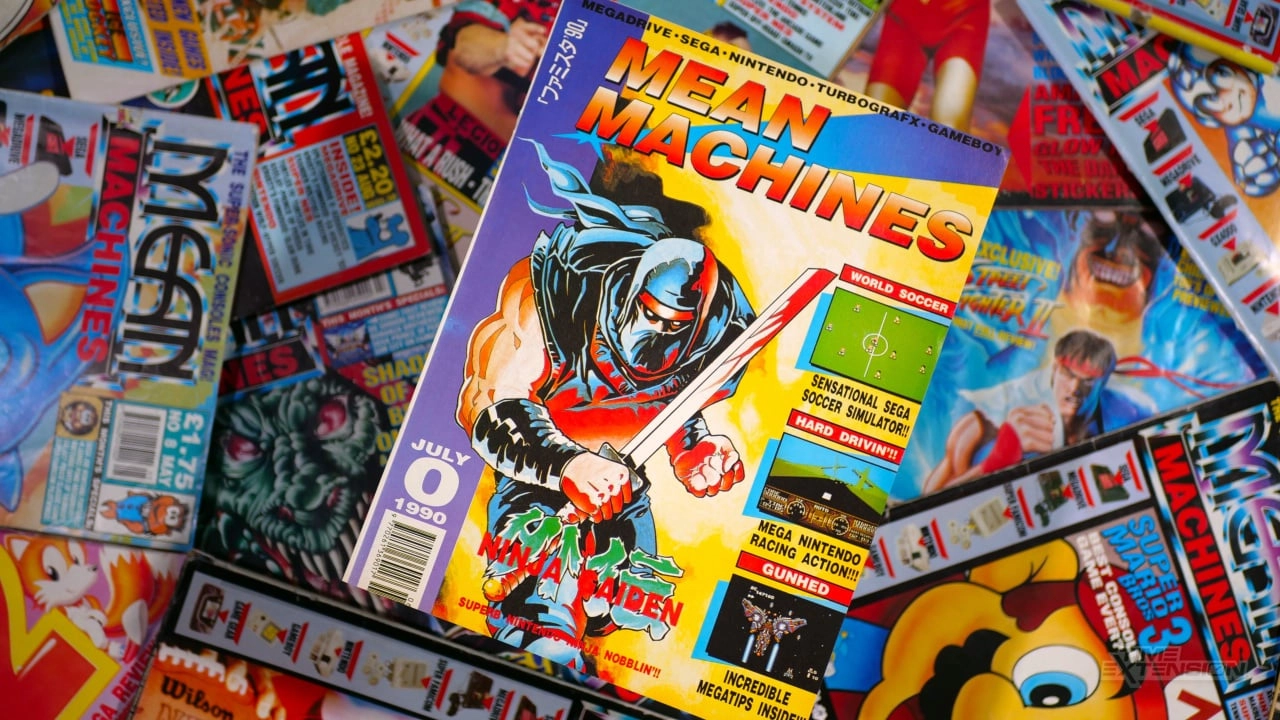
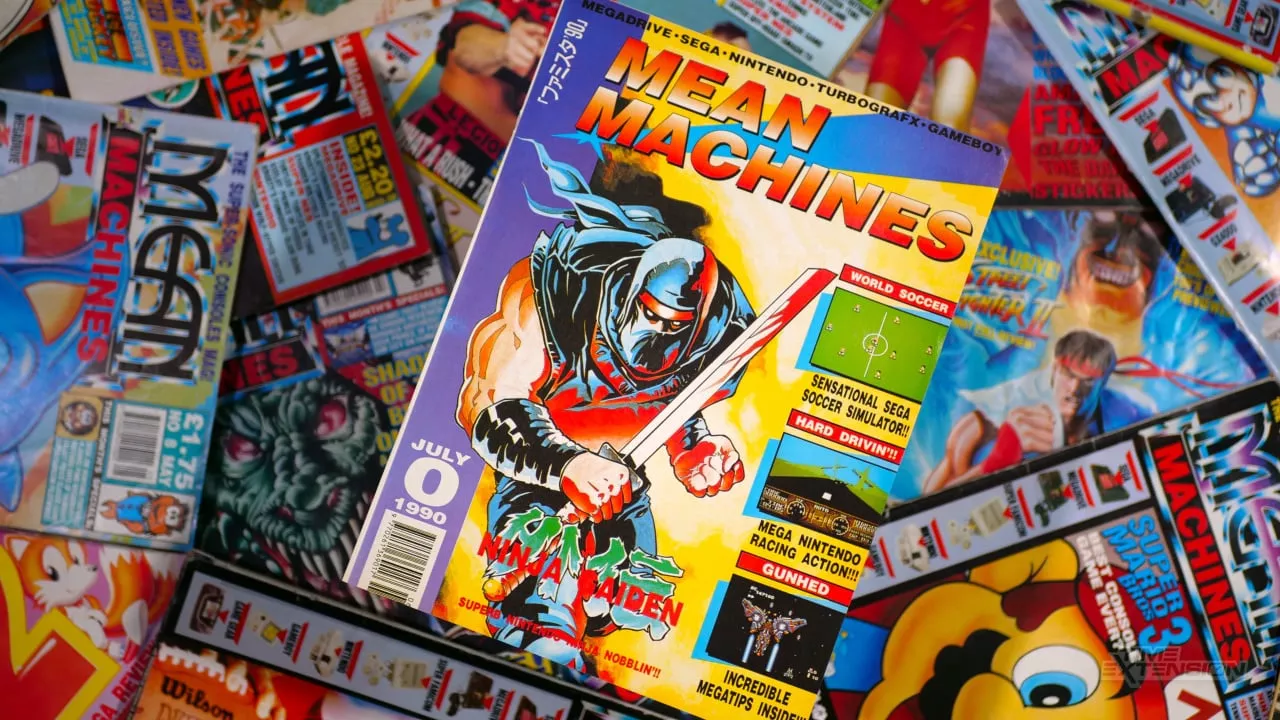
Mean Machines, a seminal gaming magazine from the UK, holds a special place in the hearts of gamers who grew up in the 1990s. It is famously derived from a section within Computer & Video Games magazine that was solely dedicated to console gaming. Despite its eventual popularity, convincing the publisher EMAP of its viability was a hurdle. To mitigate this, the creators developed a 'dummy' version to demonstrate its potential to prospective advertisers. This sample became known as the iconic 'issue zero'.
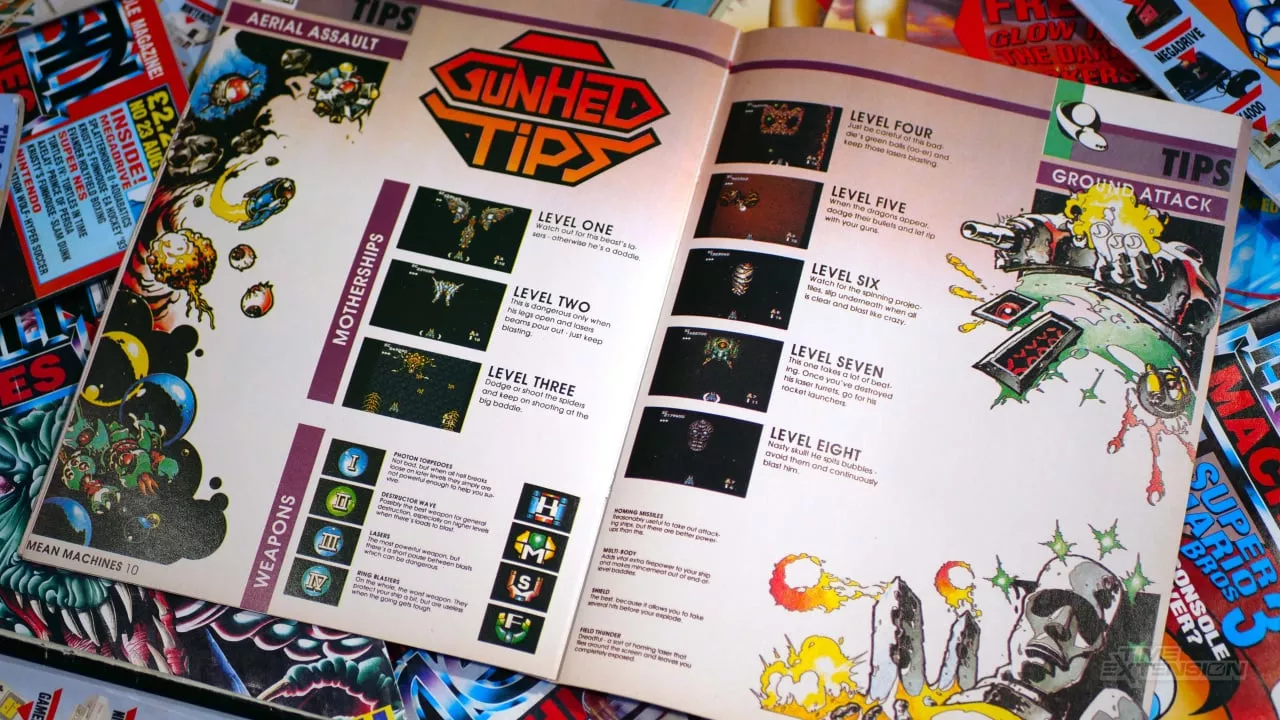
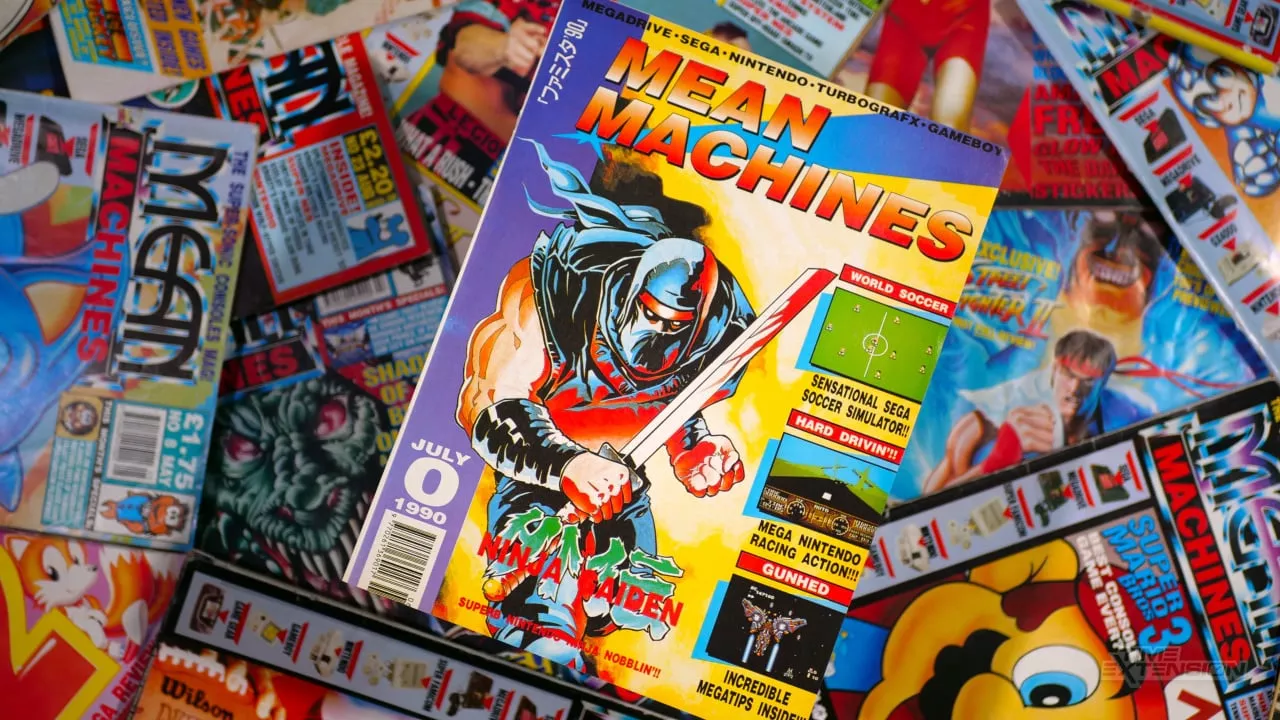
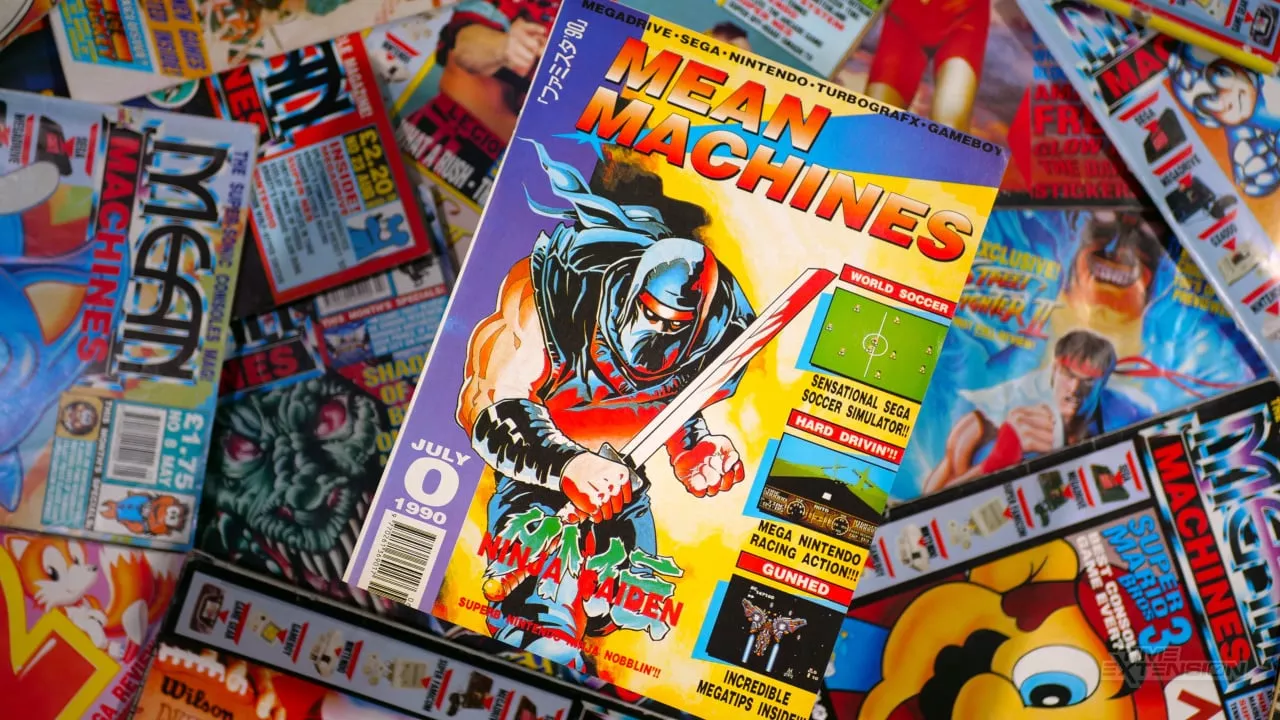
Issue zero, a 16-page teaser of the full magazine, was crafted by editor Julian Rignall, designer Gary Harrod, and publisher Graham Taylor. This prototype was instrumental in showcasing the vision and tone of the intended publication. Featuring bespoke artwork by Harrod, including a striking cover for the game Ninja Gaiden and a visually appealing tips section for the PC Engine game Gunhed (also known in the West as Blazing Lazers), this sample issue captured the attention and imagination of all who viewed it.
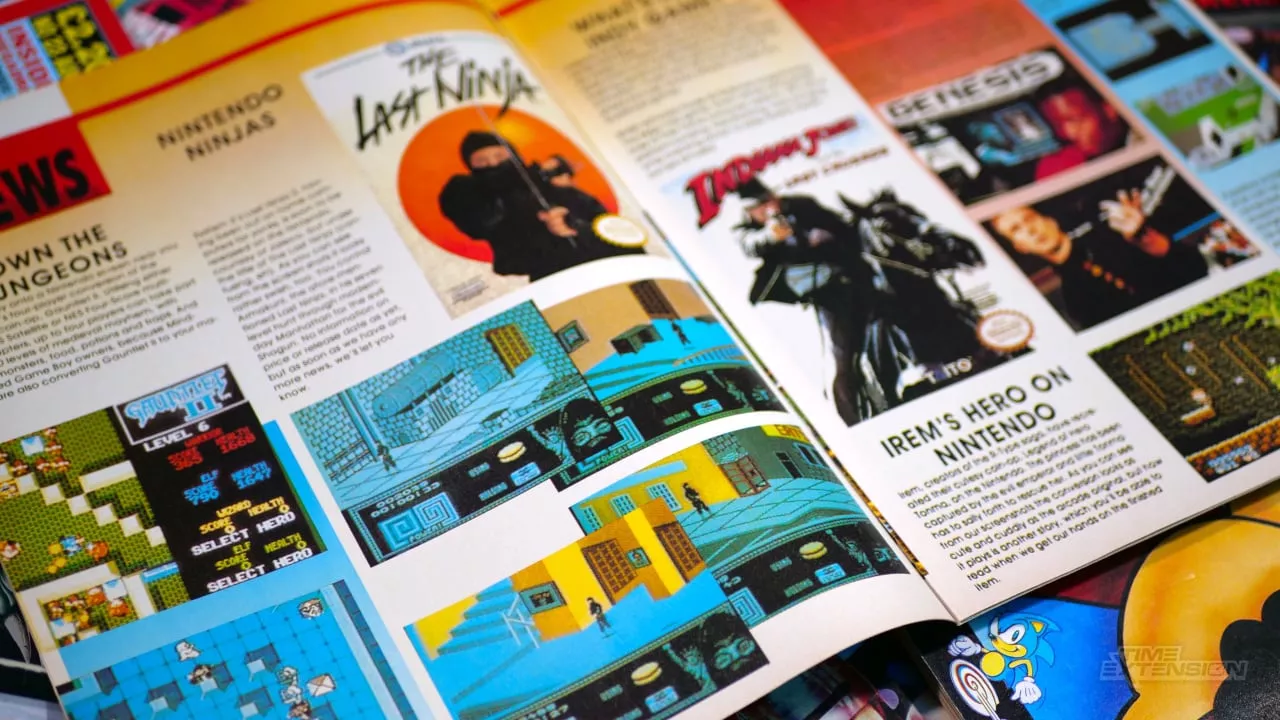
The design and content strategy used for issue zero were particularly compelling. The cover artwork, combining intense illustrations with vibrant colors, conveyed the excitement and dynamism of gaming culture. Inside, the layout was equally engaging, with concise and informative gaming tips adorned with playful Japanese text, reflecting the global influence of the gaming industry.
Mean Machines would evolve significantly from its initial prototype. When the first official issue was released at the end of 1990, it featured a revamped design, including a new logo and a more colorful page layout. However, the magazine retained distinctive elements from its issue zero, such as the 'super-deformed' avatars used to represent staff members and the snippets of Japanese text.
The significance of issue zero extends beyond its role in securing advertiser interest. It also set a creative and editorial benchmark for the magazine. Mean Machines managed to blend expert gaming advice with a quirky and appealing visual style, which became a beloved signature among its readership.
Interestingly, while issue zero was never commercially sold at newsstands, it was later reprinted in the 15th issue of Mean Machines. This allowed long-time fans and new readers alike to experience the origins of the magazine. It served as both a collector's item and a historical document, bridging the past and present of video game journalism.
Reflecting on Mean Machines' trajectory from a humble prototype to a trendsetting publication, it is clear that issue zero was more than just a marketing tool. It was a bold statement of intent and creativity in the gaming community—qualities that would continue to define the magazine throughout its existence.
The story of Mean Machines is a testament to the passion and dedication of its creators. It also highlights the evolving landscape of gaming journalism, where innovation and visual storytelling play pivotal roles in captivating an audience. As gaming continues to be a significant cultural force, the legacy of publications like Mean Machines serves as a reminder of the vibrant history and transformative potential within this dynamic industry.

You must be logged in to post a comment!
