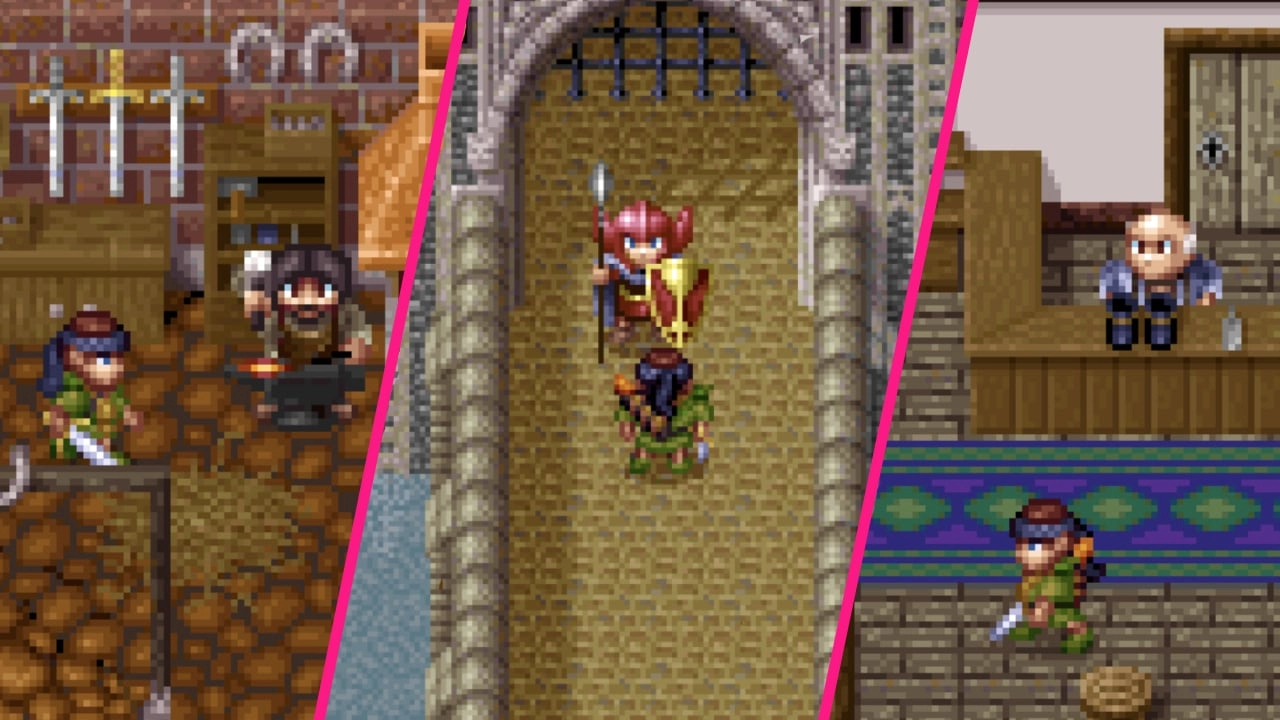
The gaming industry has witnessed the birth and demise of numerous projects over the years. Among these is a little-known, ambitious game called Witchwood, developed by Synergy Software under the oversight of Team17, the gaming company famous for creating Worms. Witchwood was envisioned as an RPG rival to the renowned Legend of Zelda series, but it was cancelled just a few years into development without much explanation, leaving fans and the gaming community wondering what could have been.
The origins of Witchwood trace back to the early 1990s when a small company called Synergy Software, led by the Severn brothers and a small team of developers, aspired to create a game to rival the success and enjoyment of Zelda, but with its twists. Synergy Software was no stranger to game development, having handled a number of work-for-hire products before setting its sights on something more ambitious.
In 1994, Witchwood entered development with a goal to address the issues that bothered the developers in other RPGs, such as artificial intelligence that would comically run into walls or non-playable characters that would nauseatingly repeat dialogue. Witchwood promised smarter AI, meaningful interactions, and a world that evolved based on the player's choices.
The game revolved around an evil witch executed by the townspeople, who then emerges as a powerful tree, corrupting the surrounding lands and animating the dead to enact her vengeance. The protagonist, Pip, had to cleanse the curse-infested regions and unravel the story behind the witch’s execution. The game featured a rich inventory system, with various items and gear purchasable from in-game shops.
Despite initial development on PC, there were expectations that Witchwood would also grace platforms such as Amiga, Playstation 1, Sega Saturn, and Atari Jaguar. Team17 attached itself to the project fairly early and made announcements to that effect. However, Colin Surridge, a Synergy developer, asserts that it was always a PC-first development and that no work started on the ports.
Synergy wished to infuse Witchwood with elements of British folklore and create an RPG with a more local flavor. They aimed to reflect aspects of English myths into the game’s narrative and design, diverging from the more familiar high fantasy settings in other RPGs. However, documentation for the story was scant, and the overarching narrative and gameplay content remained hazy.
Concerns over the slow pace of development triggered Team17 to intervene more actively, with the Synergy team even relocating to Team17's offices. Despite assistance from Team17, which included contributions to the game's soundtrack and cutscenes, the game's progress continued to falter, plagued by feature creep and lack of precise planning.
The success of Worms, another Team17 title, presented the company with a dilemma. Team17 decided to focus its resources on Worms due to its financial success, which meant cutting other projects, including Witchwood. Debbie Bestwick, Team17's owner, admitted to the financial imprudence of continuing to back games that didn't seem poised for completion.
The developers from Synergy, who later pursued various paths in the gaming industry, understood the cancellation, acknowledging that the project lacked discipline and clear direction. By late 1995, Witchwood was officially cancelled, and despite lingering appearances in gaming magazines into the following year, it was over.
The abandonment of Witchwood left a void in what could have been a fascinating addition to the RPG genre, with potentially ground-breaking ideas. Nevertheless, thanks to the efforts of enthusiasts, the legacy of Witchwood endures. A tech demo of the game, along with a video covering its development, can be publicly accessed and experienced, granting players a glimpse into an RPG that promised to challenge the greats, yet succumbed to the harsh realities of game development.

You must be logged in to post a comment!
