
In the early 1990s, LucasArts, then known as Lucasfilm Games, embarked on creating a new Indiana Jones adventure game titled Indiana Jones and the Iron Phoenix. This project was set to follow the success of Indiana Jones & The Fate of Atlantis, with ambitions to take players on another exhilarating journey through history and mystery. Unfortunately, despite the initial hype and creative efforts, the game was canceled in 1994, leaving fans curious and disappointed.
The development of Indiana Jones and the Iron Phoenix began with a concept that picked up after the events of World War II. The narrative was centered around a group of surviving Nazis attempting to resurrect Adolf Hitler using the mythical Philosopher's Stone. The game promised a thrilling plot intertwined with historical intrigue and supernatural elements, a hallmark of the Indiana Jones series.
Leading the project initially was Joe Pinney, a former QA tester at Lucasfilm Games, who had progressed to his first role as a project lead. Alongside him, Hal Barwood, who had successfully directed Fate of Atlantis, served as a story consultant. Together, they crafted a narrative that took players from the Soviet sectors of Berlin to the remote monasteries of Tibet and beyond, chasing the mystical components of the Philosopher’s Stone.
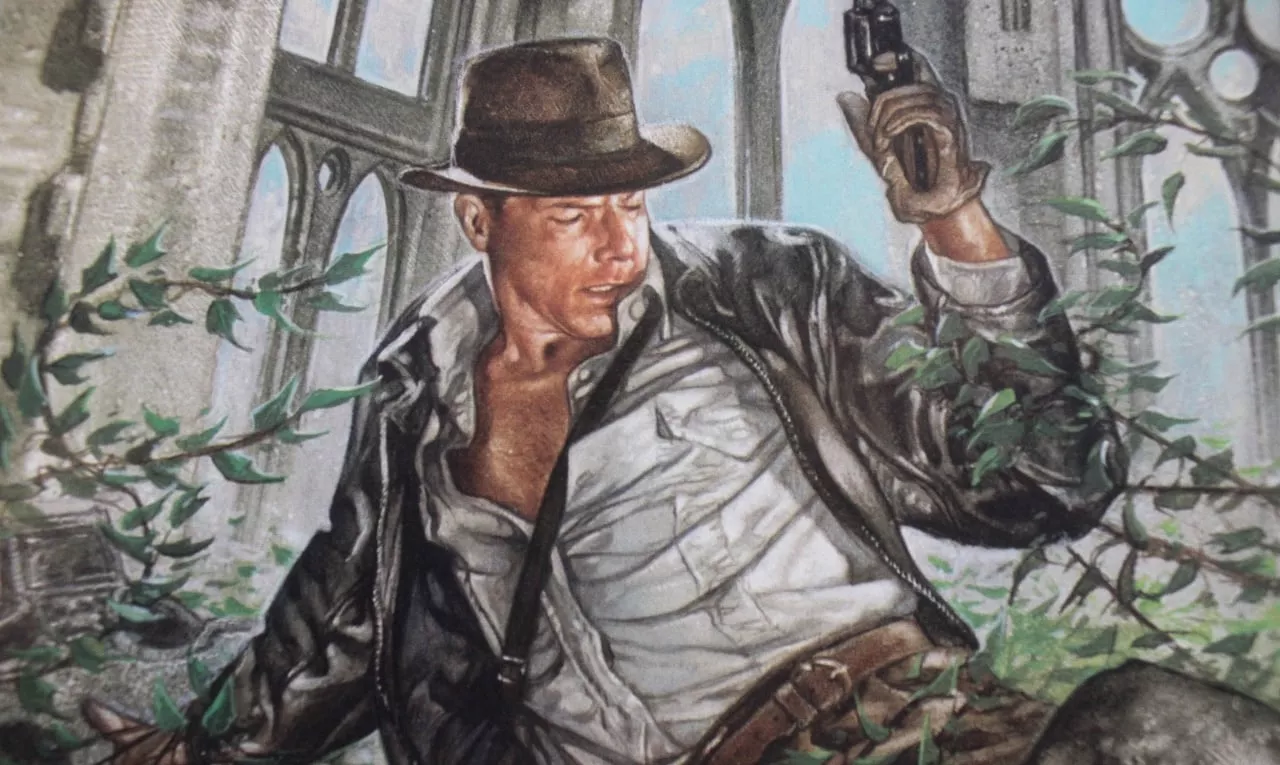
The game’s art style was another point of interest, aiming for a distinctive comic book aesthetic that could bring the adventurous and mystical elements to life vividly. Characters were designed to be larger than those in previous games, with detailed animations that emulated the dynamic action of comic strips.
However, the development faced multiple challenges. One significant hurdle was the strict censorship in Germany, which had severe restrictions against depicting Nazi symbols and themes. Given that Germany was a key market for LucasArts, this posed a potential risk to the game’s commercial success. Additionally, internal resources were stretched thin, as LucasArts was involved in multiple projects at the time.
Attempting to adapt to these challenges, LucasArts explored outsourcing some of the game’s development to an external studio in Canada, but this too fell through due to various complications. Amongst them was the external team's lack of experience in producing adventure games, leading to concerns over the quality and consistency with LucasArts' standards.
With mounting issues and no feasible solutions, LucasArts made the tough decision to cancel Indiana Jones and the Iron Phoenix. However, the narrative and art developed for the game did not entirely vanish into obscurity. Prior to the game’s cancellation, LucasArts had struck a deal with Dark Horse Comics to produce a comic adaptation of the game. This four-issue series, also named Indiana Jones and the Iron Phoenix, allowed fans a glimpse into what the game might have offered.
The comic series was written by Lee Marrs and illustrated by Leo Durañona, who worked diligently to adapt the game’s extensive lore and visual style into a compelling print narrative. Despite facing their challenges with changes in the game’s development affecting the comic’s storyline, they successfully brought the canceled game’s essence to life. The comics follow much of the proposed game’s plot, with some adjustments, such as changing locations and sequences to fit the comic book format.
While the cancellation of Indiana Jones and the Iron Phoenix was a disappointment to many, the existence of the comic series offers some consolation by preserving a piece of what could have been an enriching addition to the Indiana Jones video game legacy. It stands as a unique artifact within the franchise, a tangible outcome from a project halted before its realization.
The story of this game and its comic adaptation serves as a fascinating chapter in the history of LucasArts and video gaming, reflecting the challenges and intricacies of game development and the creative solutions that sometimes arise from cancellation. As such, Indiana Jones and the Iron Phoenix remains a poignant reminder of both the potential and the pitfalls of bringing beloved stories to new mediums.







You must be logged in to post a comment!
